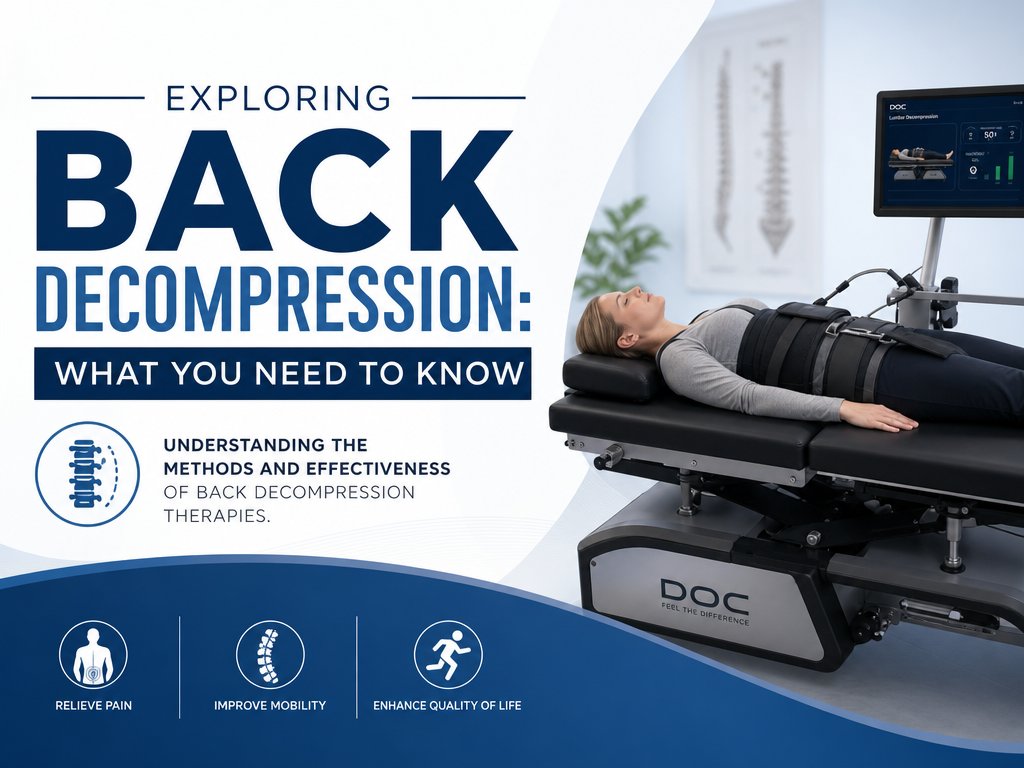
Introduction to Back Decompression
Back decompression is a popular method aimed at alleviating back pain by reducing the pressure on spinal discs. This technique can be performed through both surgical and nonsurgical means. Nonsurgical options include therapies such as spinal traction, while more invasive surgical options comprise procedures like discectomy, spinal fusion, and laminectomies. Individuals experiencing persistent back pain often seek these interventions for relief when conservative methods have not provided substantial results.
Nonsurgical Methods
Nonsurgical back decompression is primarily achieved through spinal traction, which can be executed with the assistance of a chiropractor or physical therapist. By gently stretching the spine, it’s believed that pressure can be alleviated from bulging, herniated, or compressed discs, possibly allowing for realignment, improved function, and pain relief. This therapeutic approach is intended to support the natural healing process of the body, potentially reducing the need for invasive procedures.
A significant number of practitioners and patients find these therapies beneficial, even though more research is necessary to establish their full efficacy and understanding. Many find them beneficial when applied correctly by trained professionals. These methods are often less risky compared to surgical alternatives and can be a first line of intervention for those dealing with mild to moderate back issues, offering a non-invasive solution in an effort to manage discomfort and improve function.
Spinal Traction
Spinal traction involves a professional applying pressure to the spine, either manually or with machines, effectively increasing the space between vertebrae. It’s important to use these therapies under professional guidance to ensure they’re beneficial and safe. Spinal traction can be customized to the patient’s specific condition, often involving a series of sessions tailored to their unique needs. Such personalization can enhance the effectiveness of the treatment, leading to better outcomes, which is why many patients report positive experiences following these sessions.
At-Home Caution
Devices marketed for home use require cautious application, as misuse can exacerbate issues. Professional advice is pivotal before attempting any at-home decompression solutions. Many individuals are tempted to use trendy at-home kits, but without the proper guidance and understanding of their condition, they may risk injury or a worsening of their condition. This can result in prolonged recovery times, increased pain, or even further injury, which could necessitate more intensive treatments later on.
Effectiveness and Considerations
Spinal decompression might relieve symptoms from varied causes of back pain such as disc disease and pinched nerves. Despite mixed research on its efficacy, the prevailing consensus is that it offers significant relief when included in a comprehensive therapeutic strategy. Decompression therapy can be a part of a larger plan including physical therapies, exercises, and lifestyle adjustments, aimed at overall spinal health and maintenance. Patients often benefit when therapies are part of a holistic approach that also includes consideration of ergonomic factors and overall health.
In specific cases, such as those with underlying conditions—like cancer, infections, or severe osteoporosis—spinal traction may not be advisable. Patients should provide a full medical history to their healthcare provider to ensure the safety and appropriateness of the treatment. This information allows for tailored treatment plans that address individual health needs and conditions, potentially avoiding complications or adverse effects.
Surgical Options
When nonsurgical therapies do not yield results, surgical intervention may become necessary. Procedures are recommended by healthcare providers especially when conservative treatments do not relieve symptoms within 3 to 6 months. Surgery is usually considered a last resort when other options have failed. This approach ensures that less invasive methods are tried first, potentially reducing the risk and costs associated with surgery. Careful consideration is given to patient history and the specific characteristics of the condition before surgery is recommended.
Common surgical techniques for back decompression include discectomy, spinal fusion, and laminectomies, each with differing recovery times and levels of invasiveness. Generally, patients can expect to recover their mobility gradually post-surgery but may face initial activity restrictions. The choice of surgical method depends on the specific back problem and the severity of the condition. Detailed pre-surgical consultations are fundamental to assess the most suitable type of surgery for the patient, with an emphasis on achieving the best possible outcome.
Risks and Benefits
Both surgical and nonsurgical decompression pathways carry inherent risks. Professionals performing nonsurgical therapies should possess adequate experience to minimize complications, while surgical interventions might result in infections or nerve-related injuries. Surgery can be highly beneficial when successful, potentially providing permanent relief from pain, but it is not without risk, emphasizing the need for skilled professionals and comprehensive care plans.
Consultation with a healthcare provider can help determine the most appropriate course of action, based on the severity and specifics of the condition. Patients should weigh the potential benefits of each approach against the possible risks, considering their personal health and history. Informed decisions about procedures should consider both short-term relief and long-term outcomes. It’s important to have realistic expectations and to understand the potential implications of any chosen treatment path.
Conclusion
Back decompression therapies, both surgical and nonsurgical, offer potential relief for myriad back pain issues. However, careful assessment by medical professionals is crucial to determine the most suitable treatment path, considering all possible risks and benefits. Patients must be proactive in seeking advice and gathering information about their condition to make informed choices about their health.
It remains essential to consult with doctors regarding the appropriateness of undergoing surgical procedures, especially for those with persistent back pain not alleviated by other treatments. For some patients, a combination of methods may prove most effective, providing a comprehensive approach to pain management and spinal health. Incorporating lifestyle changes such as improved posture, regular exercise, and ergonomic adjustments can significantly enhance the benefits of decompression therapies. This holistic approach not only addresses current symptoms but also promotes long-term health and well-being.