Introduction to Prothrombin and Its Role in the Body
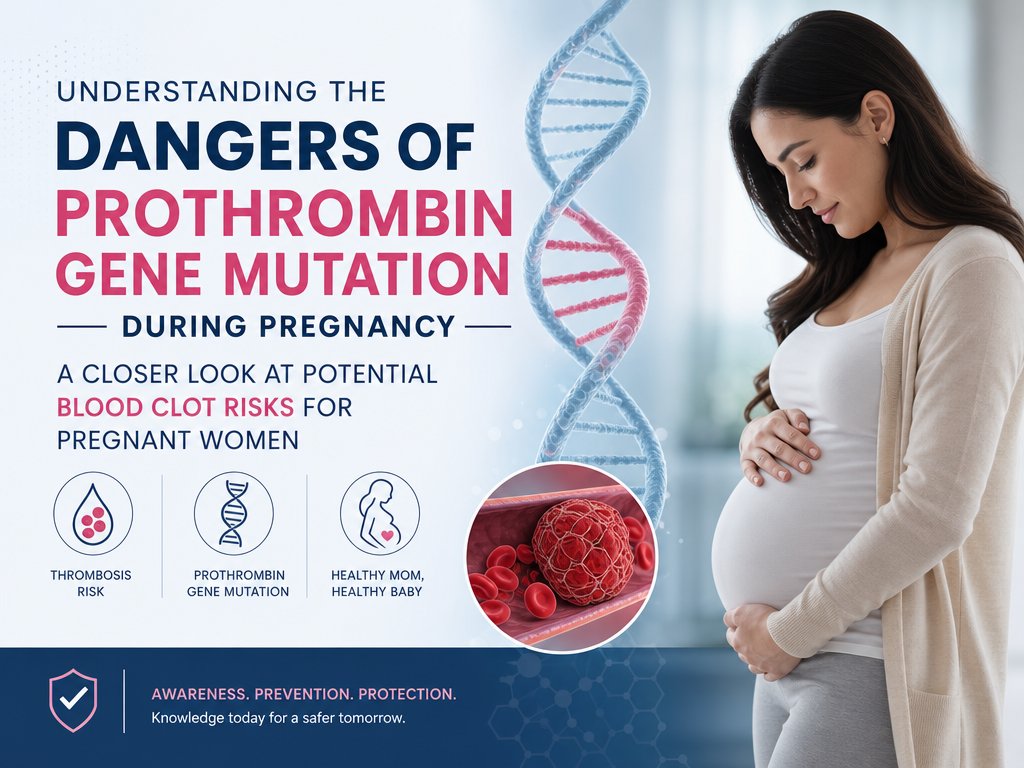
Prothrombin is a vital protein in the bloodstream necessary for proper blood clotting. It functions by forming fibrin, a protein matrix that facilitates the formation of blood clots, which are solid clumps of platelets.
Prothrombin Gene Mutation: An Overview
Occasionally, mutations in the prothrombin gene can result in excessive prothrombin production, leading to unwanted blood clots. This genetic anomaly is known as a prothrombin mutation, including variants like the prothrombin G20210A or factor II mutation.
Pregnancy and Increased Clotting Risks
Pregnancy already elevates the risk of blood clots, and for women with a prothrombin mutation, this risk further intensifies. The presence of such a mutation can lead to conditions where clots form in veins and arteries, potentially resulting in complications or miscarriage.
Potential Complications and Warning Signs
Dangerous clots can travel to critical organs like the lungs, heart, or brain, causing severe health issues. Signs of deep vein thrombosis (DVT), a common clotting disorder, include pain and swelling in limbs. Pulmonary embolisms, which occur when clots reach the lungs, are life-threatening. It’s urged that individuals experiencing such symptoms seek immediate medical attention.
Genetic Factors and Prevalence
Prothrombin mutations can be inherited from parents. A single mutated gene results in a heterozygous condition, five times increasing the likelihood of clot development compared to normal genes. Rarely, inheriting mutations from both parents leads to a homozygous condition, dramatically raising clotting risks.
Population Impact and Statistics
Approximately 2% of Caucasians in the U.S. and Europe carry the heterozygous form. However, it’s less common in other ethnic groups and rare for individuals to have two mutated genes.
Diagnosis and Management Considerations
Those with a history of DVT or pulmonary embolisms should consider testing for the prothrombin mutation. Diagnosis includes a blood test analyzing DNA for mutations.
Treatment Options During Pregnancy
Pregnant women with the mutation may be advised to undergo anticoagulation therapy, where medications such as heparin help manage clot formation risk. Alternately, treatments could include different anticoagulants depending on individual circumstances and medical advice.
Lifestyle and Medical Guidance
While genetic mutations themselves are uncontrollable, lifestyle adjustments can minimize clotting risks. Medical professionals may offer guidance on safe exercise and refer patients to blood specialists.
In summary, understanding the impact of prothrombin mutations is crucial for managing health, particularly during pregnancy.