Introduction to Chlorine Rashes
Bezzy communities offer a valuable support system for those facing chronic conditions. You are invited to join us through our online platform or mobile app to gain more insights into managing various health challenges effectively. Here, you can connect with individuals who share experiences related to specific health issues, providing a network of understanding and guidance.
Swimming in chlorinated pools is a popular activity, yet it can sometimes cause skin reactions known as chlorine rashes. Chlorine is crucial for disinfecting swimming pool water and keeping it safe for users. However, it can also irritate the skin, as well as the eyes, throat, and lungs if one is exposed frequently or for extended periods. For those who swim regularly, understanding precautions is vital to maintain comfort and health.
What Are Chlorine Rashes?
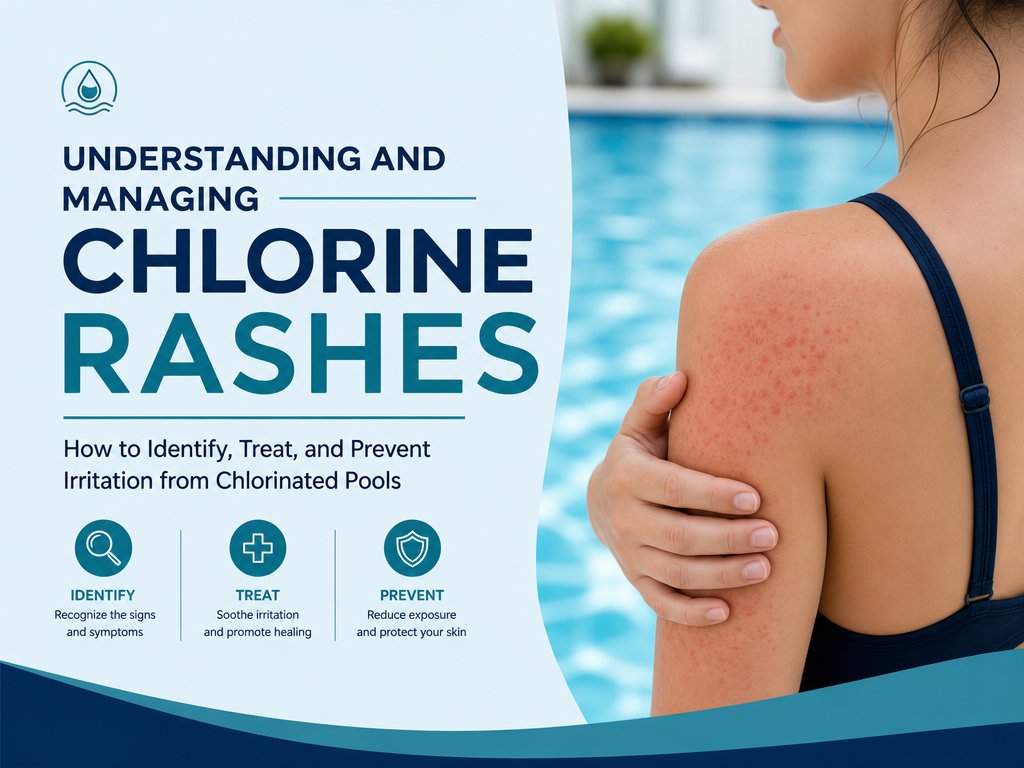
Chlorine rashes represent a form of irritant dermatitis. This condition occurs when sensitive individuals experience a reaction after being exposed to chlorine. It differs from a true allergy, but can nonetheless significantly aggravate the skin. Recognizing the specifics can aid in distinguishing between typical irritation and more severe reactions that may warrant medical advice.
Symptoms of Chlorine Rashes
Chlorine has a drying effect on the skin, often leading to irritation, inflammation, discoloration (erythema), and itchiness. On lighter skin, these rashes tend to appear red or pink, while on darker skin they may be less visible but equally irritating, often manifesting as small bumps that can be very uncomfortable.
In addition to affecting the skin, exposure to chlorine can also induce eye and respiratory irritation, resulting in symptoms such as coughing, sneezing, or a sore throat. Though chlorine possesses antimicrobial properties, repeated exposure tends to break down the skin’s protective barrier, resulting in dryness and persistent irritation. It’s important to recognize these signs early on to prevent further discomfort or complications.
Chlorine Rashes Compared to Swimmer’s Itch
It is important not to confuse chlorine rashes with swimmer’s itch, which is a different condition caused by parasites present in fresh or salt water. Exposure to these parasites, often released from snails, leads to the development of small pimples on the skin that can be intensely itchy. This is unlike the typical discoloration and dryness associated with chlorine rashes. Understanding the differences can facilitate accurate treatment approaches.
Prevention and Management
Preventing chlorine rashes begins with thoroughly rinsing your skin after swimming and utilizing chlorine-removing lotions. Over-the-counter solutions such as antihistamines or hydrocortisone creams can help alleviate symptoms. However, it is advised to consult a healthcare provider if the issue persists or if severe reactions occur. Specialized creams designed for sensitive skin may also provide relief.
If you suspect that you have a chlorine rash, limiting exposure to pools and applying non-perfumed moisturizing lotions can help prevent symptoms from worsening. By keeping your skin hydrated and free from potential irritants, you can reduce the likelihood of new rashes developing.
Another effective measure is to wear protective clothing. Consider using swim shirts or rash guards, which act as a barrier, reducing direct contact between your skin and chlorine. Additionally, showering before entering a pool can help the skin absorb less chlorine. This simple step ensures that your body won’t soak up as much chlorinated water, helping you avoid unwanted reactions.
For regular swimmers, applying a thick layer of moisturizer before swimming creates a buffer against chlorine’s drying effects. Opt for oil-based moisturizers, as these tend to form a better protective layer on your skin, locking in moisture and minimizing chlorine absorption.
When to Seek Medical Attention
In rare instances, exposure to chlorine may lead to serious respiratory issues that necessitate immediate medical attention. If over-the-counter treatments are ineffective, a stronger prescription from a healthcare professional might be necessary. Monitoring your symptoms closely ensures that you can act quickly should your condition escalate, preventing lasting effects on your health.
If you experience severe symptoms like difficulty breathing, chest tightness, or significant swelling, these may indicate a serious reaction requiring urgent care. Never hesitate to contact emergency services if you feel your health is at risk. Early intervention is crucial in managing severe allergic responses or irritations.
Conclusion
Awareness of the risk factors associated with chlorine rashes, along with preventive practices, can help minimize their impact. Always reach out to a healthcare professional if you encounter persistent problems or experience severe allergic reactions. Being informed and proactive about your health not only protects your skin but also enhances your overall well-being during and after swimming activities. Remember, taking the right steps can make swimming a safe and enjoyable experience for everyone. Staying vigilant and mindful about your body’s reactions will ensure that your time spent in the water remains pleasant and stress-free.