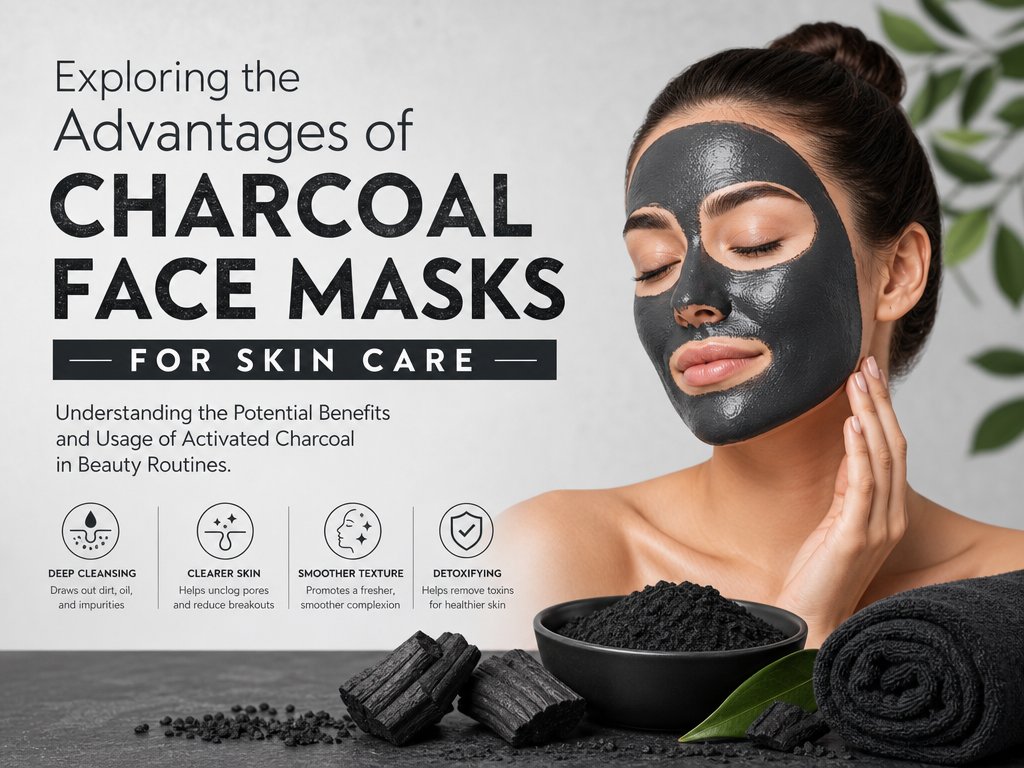
Understanding Activated Charcoal in Beauty Care
Activated charcoal has seen a surge in popularity, particularly within the beauty industry. This unique substance is now frequently incorporated into a vast array of beauty products including facial cleansers, shampoos, soaps, and exfoliating scrubs. It has garnered particular acclaim for its role in face masks, where its reputed ability to draw out bacteria and impurities is highly valued.
Potential Skin Benefits of Charcoal Masks
Despite limited scientific research confirming its effectiveness, a multitude of beauty enthusiasts and skincare connoisseurs promote the use of activated charcoal in face masks based predominantly on anecdotal evidence. Users assert that these masks help achieve a healthier complexion by effectively removing trapped dirt and bacteria. This debris, if left unaddressed, can contribute to the development of acne and other skin imperfections.
How Charcoal Masks Work
Activated charcoal is a very fine black powder, meticulously processed at high temperatures. This processing creates an abundance of tiny spaces within the charcoal structure, which are capable of trapping a range of chemicals and toxins. While significantly different from the charcoal utilized for grilling, activated charcoal is celebrated for its highly absorbent properties. Many purport these properties may contribute to detoxifying the skin by extracting unwanted substances effectively.
Combating Acne and Other Skin Issues
Acne issues often emerge from clogged pores, which become stuffed with dead skin cells and bacteria. This can lead to irritation, inflammation, and swelling. Several experts suggest that due to its antibacterial characteristics, charcoal might aid in opening clogged pores, thereby reducing acne occurrence and enhancing overall skin clarity and texture.
Precautions and Application
While charcoal masks are generally deemed safe for most users, caution is advised to avoid overuse, as excessive use might provoke skin dryness and increased sensitivity. Conducting a patch test on a less visible area, such as the inner elbow, is strongly recommended before introducing the mask into a regular skincare routine. Depending on the user’s unique skin type, these masks should ideally be applied once or twice weekly, seamlessly integrating into standard nighttime skincare routines.
To maximize benefits, it is also essential to follow up with moisturizing products post-application, which aids in restoring and maintaining skin hydration. This step is crucial, particularly for those prone to dry or sensitive skin, ensuring the skin remains balanced rather than stripped of its natural moisture.
Creating and Choosing Charcoal Masks
Individuals interested in crafting their own masks are advised to utilize natural ingredients to ensure both safety and effectiveness. Alternatively, a variety of commercial options are readily available, each offering unique benefits. It is essential for users to choose products that are specifically tailored to their individual skin type while avoiding harmful additives like synthetic fragrances and artificial dyes, which could negatively impact sensitive skin.
When selecting a commercial charcoal mask, paying attention to ingredient lists can prevent potential irritations. Ingredients like aloe vera or tea tree oil, known for their soothing properties, may add further benefits to charcoal masks, enhancing their efficacy while soothing skin.
Beyond Skin Care: Additional Uses
Activated charcoal extends its benefits beyond skincare, serving as a natural remedy for a spectrum of conditions due to its renowned ability to neutralize certain toxins. This versatility elevates its status as a valuable substance for purposes extending beyond mere skin health, showcasing potential advantages in various other wellness domains.
Charcoal’s application extends to oral care, supporting claims of improved dental health owing to its ability to bind with substances causing stains, thus contributing to whiter teeth. This multifunctional nature opens opportunities for its integration into numerous personal care products.
Conclusion: Is Charcoal Right for You?
While scientific evidence may be limited, a substantial number of users believe that charcoal masks provide beneficial enhancements for skin health, contributing to the achievement of a clearer complexion. By thoughtfully selecting products that complement your skin type and incorporating them into your beauty regimen mindfully, you may realize the potential for clearer and healthier skin. However, it is prudent for individuals with sensitive skin types to consult healthcare professionals or dermatologists prior to incorporating activated charcoal, or any new ingredient, into their beauty practices.
This ensures that the addition is safe and appropriate for their specific skin needs, minimizing potential adverse reactions and maximizing benefits. Maintaining awareness of personal skin responses and adapting usage accordingly can aid in deriving the most benefit while minimizing the risk of irritation. Through cautious and informed usage, activated charcoal might just be the notable enhancement your skincare routine needs, fostering a fresh, rejuvenated appeal.