Understanding MDMA: What Is Molly?
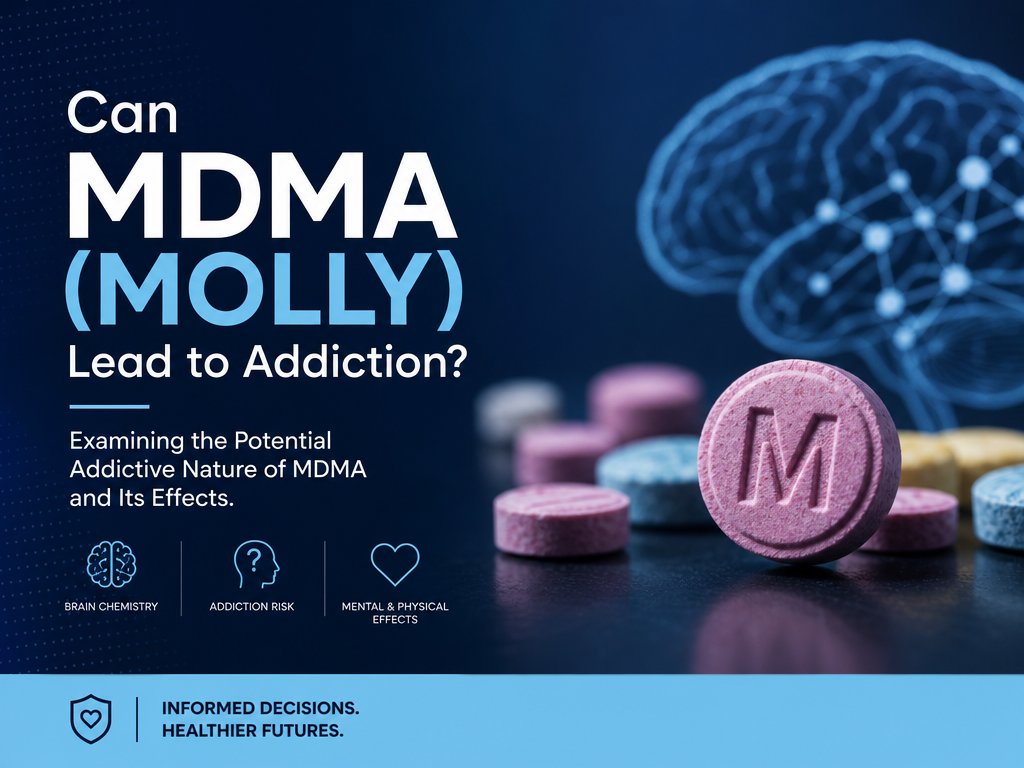
MDMA, often referred to as molly, is shorthand for 3,4-methylenedioxymethamphetamine. This psychoactive drug is commonly found in capsule or powder form and marketed as a purer version compared to ecstasy tablets. However, while it is often touted for its purity, molly is frequently laced with other substances, which complicates its chemical makeup and can have unpredictable effects. This inconsistency makes it difficult for users and professionals alike to fully comprehend its addictive potential and associated health risks. The allure of MDMA lies in its promise of euphoric sensations and increased sociability, often sought after in party settings where heightened experiences are desired.
The Addictive Potential of Molly
Molly is labeled as a Schedule I drug in the United States, reflecting its illegal status and elevated potential for misuse without currently accepted medicinal purposes. The unpredictable blend of compounds often marketed as molly can lead to disparate reactions among users, further complicating the task of assessing addiction risk and associated dangers. Users might develop symptoms akin to dependence and experience withdrawal symptoms similar to those observed with other stimulants, such as cocaine or methamphetamine. These withdrawal symptoms can compel users to pursue repeated dosages, which increases the risk of developing addiction over time. The cycle of misuse can become ingrained, making cessation more challenging as dependency deepens.
Effects and Risks of Molly Use
Molly exerts a robust influence on brain neurotransmitters, particularly affecting dopamine, serotonin, and norepinephrine. The drug’s stimulant and mild hallucinogenic properties can have profound effects on major bodily systems, leading to potentially severe adverse reactions. When consumed, molly engenders feelings of euphoria, emotional warmth, and heightened perception, while at times also increasing energy and sociability among users. These effects, however, can greatly vary based on a user’s individual factors, such as overall health, mental state, or any simultaneous substance use. Chronic consumption of molly can lead to changes in brain chemistry, promoting tolerance and physiological dependence. Such chemical shifts can facilitate addiction, characterized by intense cravings and compulsive drug-seeking behavior, even in light of known risks and negative consequences. Users may continue pursuing the drug despite facing occupational or social setbacks.
Withdrawal and Long-Term Consequences
As molly’s impact diminishes, users may face withdrawal symptoms, which can be exacerbated by higher doses and frequent use. The spectrum of withdrawal symptoms spans from physical issues like fatigue and appetite loss to psychological challenges such as anxiety and depression. These symptoms can create a struggle for individuals seeking to cease usage. The mixture of withdrawal symptoms, combined with biological and social aspects impacting substance use, highlights the multifaceted nature of addiction. Prolonged molly use may also lead to enduring cognitive deficits, emotional instabilities, and other health complications that could substantially impair daily living and overall well-being. The toll on mental health can include challenges with memory, judgment, and mood regulation, requiring comprehensive strategies to address in a recovery plan.
Path to Recovery
Overcoming MDMA use disorder necessitates a comprehensive strategy centered around alleviating withdrawal symptoms, managing cravings, and minimizing relapse risk. Even though the Food and Drug Administration (FDA) hasn’t approved specific medications to treat MDMA addiction, researchers are actively exploring potential medical interventions that might offer therapeutic benefits. The involvement of healthcare practitioners, mental health professionals, and rehabilitation centers is paramount in guiding individuals toward a successful recovery. Despite a lack of specific pharmacological solutions, individuals committed to recovery can tap into hope and achieve resilience through tailored support and care networks. Detoxification might be the first step, followed by behavioral therapies and peer support, all customized to the individual’s needs.
Seeking Help
If you or someone you know faces challenges concerning molly use, it’s essential to seek expert advice and possible intervention. Engaging with healthcare providers can unlock access to critical support systems and treatment pathways. Early intervention is pivotal, potentially leading to more favorable outcomes by providing a clearer, more manageable recovery path while promoting a healthier, drug-free lifestyle. Ultimately, understanding the complexities of MDMA, recognizing the signs of misuse, and reaching out for appropriate help can open doors to recovery and foster long-term positive change. By acknowledging the existence of a problem and seeking timely assistance, individuals increase their chances of regaining control and establishing a lifestyle centered around well-being and personal growth.