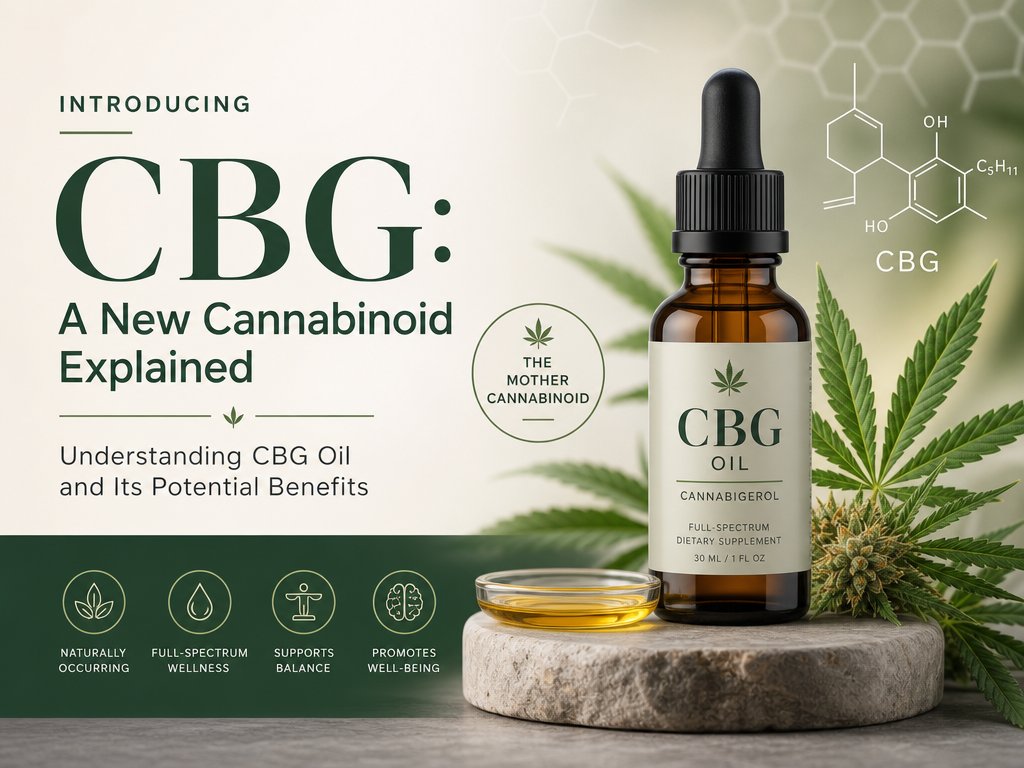
The Rise of CBG
Cannabigerol (CBG) is garnering attention as one of the unique cannabinoids found in cannabis plants along with CBD and THC. However, unlike its more famous counterparts, CBG is considered a precursor to other cannabinoids. When CBG-A, its acidic form, undergoes decarboxylation through heat, it transforms into CBG, CBC, CBD, and THC. These transformations demonstrate the vital foundational role that CBG plays in the lifecycle of cannabis compounds, showcasing its distinct importance in the overall cannabinoid production process within the plant.
Nonintoxicating Properties
Both CBG and CBD are nonintoxicating, meaning they won’t cause a high that is commonly associated with cannabis. These cannabinoids interact with the body’s endocannabinoid receptors, potentially offering noteworthy anti-inflammatory effects, as noted in a 2018 study. CBG appears to provide distinct health benefits from those associated with CBD, suggesting potential application in various therapeutic areas, including perhaps neuroprotection and antibacterial activities, which are areas that are currently being explored in preliminary studies.
The Quest for Research
Current research on CBG remains limited, but interest in its potential properties is steadily growing. While broader and more extensive studies exist on CBD, the potential benefits of CBG are seen as encouraging yet not fully confirmed. Researchers suggest that CBG may have applications in improving several health conditions, such as inflammatory bowel disease and glaucoma, but emphasize further investigation to substantiate these claims is crucial. The current studies act as a promising foundation, urging for more robust scientific exploration to fully understand and potentially integrate CBG into health and wellness solutions.
Side Effects and Interactions
At this point in time, little is known about the complete range of side effects associated with CBG. Existing studies chiefly conducted on animals suggest that CBG is generally well tolerated, though rigorous human studies are still needed to draw definitive conclusions. It’s also currently unclear how CBG might interact with certain other medications, particularly those classified with grapefruit warnings due to cytochrome P450 enzyme interactions. This interaction possibility highlights the necessity of consulting healthcare professionals when considering CBG products, to avoid adverse effects with prescription medications.
Guidance on CBG Oil
CBG oil is still less common than more widespread CBD products, making the selection of high-quality products a challenge for consumers. Neither of these cannabinoids is FDA-regulated, amplifying the need for vigilance and diligence in product selection. Full-spectrum CBD oils, which contain a range of cannabinoids including CBG, could be easier to source and might offer the synergistic or ‘entourage effect’ benefits of multiple cannabinoids working together. This synergistic action could potentially enhance the therapeutic effects of CBG when used in conjunction with other cannabinoids, providing a holistic avenue for users exploring alternative health remedies.
Legal Considerations of CBD
The 2018 Farm Bill allows for the federally legal production of hemp-derived CBD with less than 0.3% THC, whereas products exceeding this limit remain federally illegal. Despite this, state laws can vary significantly, thus travelers and consumers should verify regulations specific to each state to ensure compliance. It’s important to note that the FDA has not approved nonprescription CBD products, so consumers should approach these products with caution and awareness. Understanding these legal nuances helps consumers make informed decisions while navigating the often complex legal landscape of cannabis-related products.
Conclusion
Given CBG’s increasing popularity and emerging therapeutic potential, it’s crucial for consumers to be well-informed about its potential and limitations. It’s advisable to consult with healthcare providers before using CBG products, particularly if on medication or if there are existing medical conditions to consider. Although promising, it’s essential to recognize that research on CBG is still in its infancy and requires more thorough exploration to validate early findings and extract its full potential benefits. As the research develops, CBG could potentially play a pivotal role in future health and wellness applications, but for now, a cautious and informed approach is necessary.