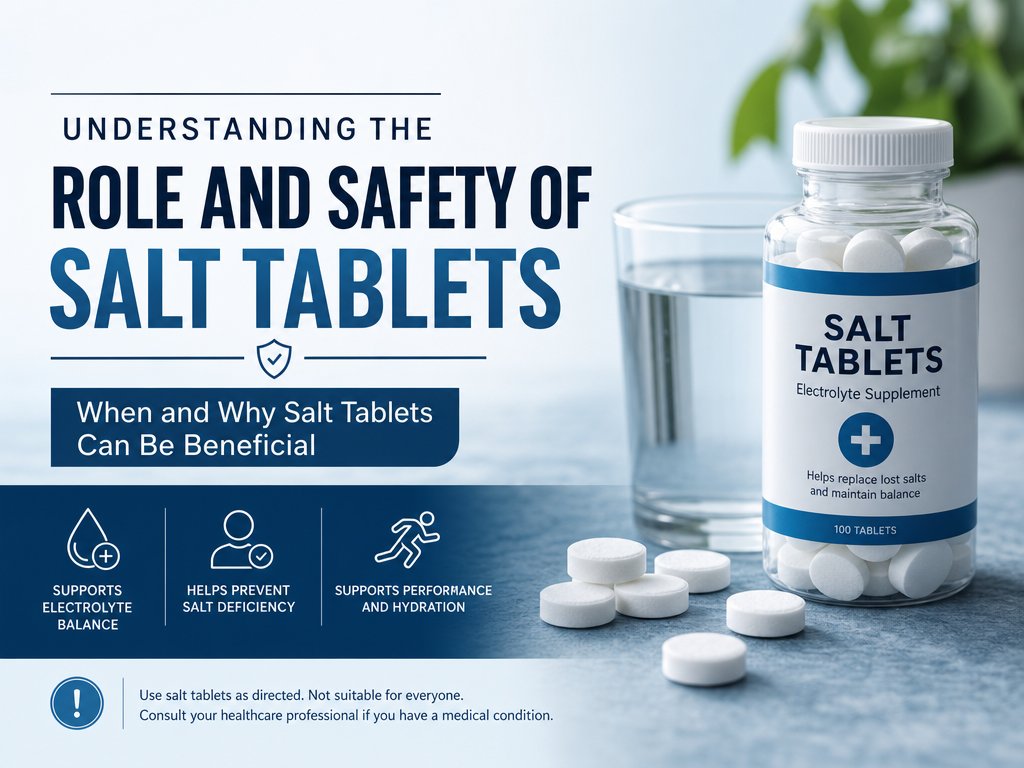
Importance of Electrolytes
For those who exercise extensively, particularly distance runners and other endurance athletes, maintaining hydration and adequate levels of minerals known as electrolytes is crucial to sustaining performance and overall health. Key electrolytes, such as sodium, potassium, and chloride, are vital for various bodily functions. They are often supplemented in the form of salt tablets or pills. These electrolytes play a critical role in processes such as muscle contraction, nerve function, and maintaining acid-base balance in the body, which are fundamental to ensuring that bodily systems operate efficiently during and after exercise. Without the proper balance of these minerals, individuals may experience decreased performance, muscle cramps, and in severe cases, more complicated health issues.
Salt Tablets: What Are They?
Salt tablets, which were once widely popular among athletes and laborers, are now less frequently used due to the popularity of alternatives like sports drinks. These beverages offer a broader range of electrolytes, including not just sodium but also potassium and magnesium, making them a more comprehensive solution for replenishing lost electrolytes. Although some medical professionals still recommend them for limited situations, they come with specific health warnings and should be consumed with caution. It’s important to note that the modern formulations of salt tablets have been refined to offer a more balanced approach to electrolyte replacement.
Today’s salt tablets are produced with a more precise composition, targeting the exact needs of an athlete or laborer for specific conditions. They remain an option for those preferring a more straightforward solution lacking the added sugars and other ingredients often found in sports drinks. While these developments make salt tablets a viable option, the necessity for tailored recommendations remains a priority.
Uses and Benefits
Salt tablets can be particularly beneficial in preventing dehydration and muscle cramps during activities that induce excessive sweating. During intense physical exertion or when operating in high-temperature conditions, the body can lose significant amounts of water and electrolytes, which may not be adequately replenished solely by drinking plain water. In such scenarios, salt tablets can provide the necessary balance of electrolytes that the body requires.
Scientific studies indicate that salt tablets, when taken with ample fluids, can help retain both water and sodium, potentially providing an edge over other hydration strategies. They can be especially useful during activities such as marathon runs, long cycling tours, or other endurance sports where maintaining optimal hydration and electrolyte balance is critically important for performance and recovery. Furthermore, the simplicity of transporting and consuming salt tablets makes them a convenient option for athletes who need a quick and manageable way of maintaining electrolyte levels.
Risks Associated with Salt Tablets
Despite the benefits, there are significant risks associated with the excessive consumption of salt tablets. High sodium levels can lead to a range of complications, including elevated blood pressure, which may interfere with medications for hypertension and exacerbate existing health conditions. Similarly, a high sodium intake can impose additional stress on the kidneys, particularly in individuals who have pre-existing kidney conditions, potentially leading to long-term damage.
Moreover, improper use of salt tablets without adequate hydration can lead to hypernatremia, a condition characterized by overly high levels of sodium in the blood. This can manifest in serious health issues such as confusion, seizures, or even coma if not identified and managed promptly. Therefore, caution is advised when considering the use of salt tablets, and they should always be used in conjunction with proper guidance. Understanding the body’s personalized hydration needs under certain conditions can significantly mitigate these risks.
When to Consider Salt Tablets
Consulting with a qualified medical professional is crucial when deciding whether to use salt tablets. They may be suitable for individuals who are prone to heat-related issues or those engaging in prolonged physical activities such as endurance sports. However, any supplementation regimen should be meticulously guided by a healthcare provider to avoid potential adverse effects. For those wary of the sugar content in sports drinks, using salt tablets paired with water could be a beneficial alternative during long-duration activities, vigorous exercises, or intense physical labor where electrolyte balance is vital. Additionally, individuals with dietary restrictions or allergies to ingredients in sports drinks may find salt tablets to be a fitting substitute, providing essential electrolytes without unnecessary additives.
Precautions and Storage
When considering the use of salt tablets, always check supplement labels for their specific sodium content and other electrolytes to tailor intake appropriately. Store salt tablets in a cool, dry place to ensure they remain effective over time. It’s vital for those with specific conditions, like hypertension or kidney diseases, to generally avoid the use of salt tablets, as a balanced diet typically supplies sufficient electrolytes without the necessity for additional supplementation. Awareness and education about the risks and benefits of salt tablets can lead to more informed decisions regarding their use. Being cognizant of proper dosage guidelines and utilizing them under the right circumstances can optimize their impact while minimizing potential hazards.
Conclusion
While salt tablets can be a viable solution for specific athletes or under particular conditions, it’s crucial to consult with healthcare professionals to ensure safe and appropriate use. They often suggest sports drinks for balanced electrolyte replenishment due to their broad spectrum of essential minerals. Alternatively, as a sugar-free option, combining water with salt tablets may be effective when needed. It remains imperative for users to weigh the merits against prospective risks, ensuring that any supplementation aligns with their particular health needs and circumstances, especially when engaging in prolonged or high-intensity activities. Awareness and understanding of one’s own body’s requirements and responses can make a significant difference in optimizing performance and ensuring safety. As the balance of electrolytes is vital, tailoring your approach based on professional advice can lead to more beneficial outcomes, ensuring that your focus remains on achieving peak performance safely and effectively.