Introduction to MS and Skin Lesions
Multiple Sclerosis (MS) does not directly cause skin lesions, but aspects of the disease or its treatments can increase the likelihood of skin issues, including lesions and hives. Various interventions can assist in managing these conditions effectively, making it important for individuals with MS to stay informed about potential skin-related complications and to seek medical advice when needed. Routine monitoring of skin health can aid in early identification and management of issues. Maintaining an open dialogue with healthcare providers about skin health is crucial for developing personalized care strategies that suit each individual’s unique set of symptoms and treatment reactions. This comprehensive approach emphasizes the necessity of addressing both the neurological and dermatological aspects of MS, ensuring the patient’s overall health is optimally maintained.
Understanding Multiple Sclerosis
Multiple Sclerosis is a chronic neurological disorder that affects the central nervous system, leading to a variety of symptoms such as muscle spasms, fatigue, cognitive difficulties, and vision problems. These manifestations can significantly impact daily living and overall quality of life. In addition to these core symptoms, individuals with MS may experience skin-related issues due to medications or persistent itchiness caused by nerve-related sensations. This component of MS, although sometimes overlooked, is crucial as it affects comfort and skin health, thus necessitating appropriate attention and management. Patients and caregivers should be empowered through education to recognize and articulate concerns about skin health, facilitating timely and effective interventions.
Causes of MS Skin Lesions
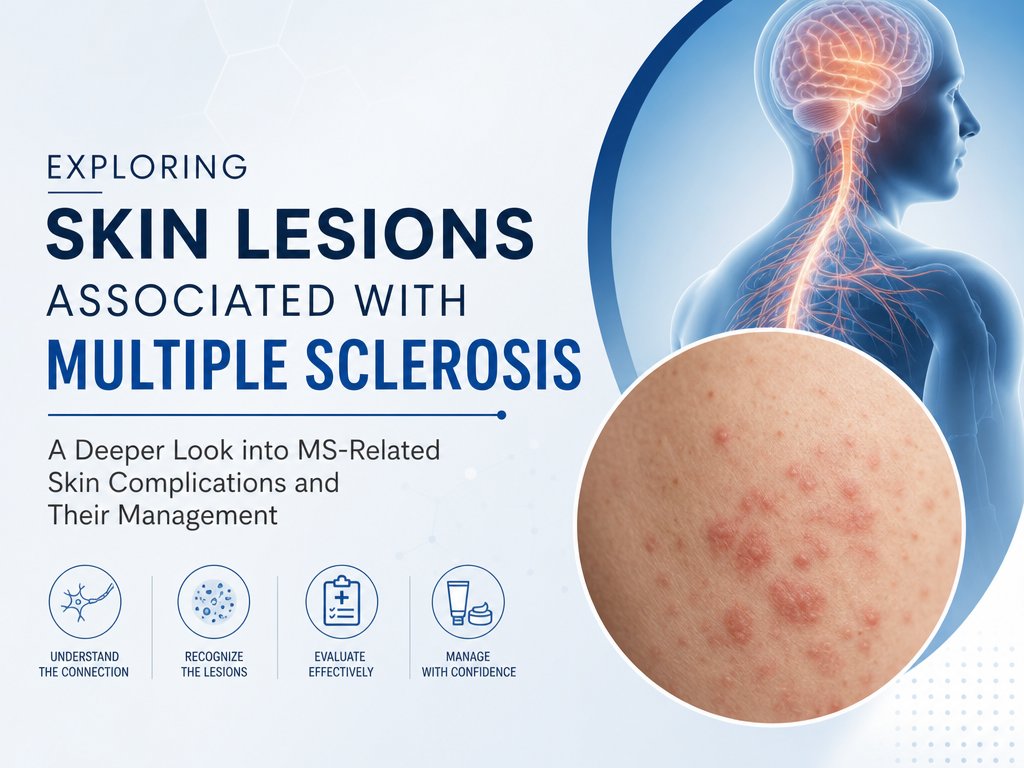
MS skin lesions stem from indirect causes such as excessive scratching from itchiness—a symptom sometimes associated with MS—and side effects of certain medications. Lesions typically appear as hives or red, bumpy areas, frequently on the face and other sensitive skin areas, sometimes leading to more severe symptoms if left untreated or unmanaged for extended periods of time. Understanding the etiology of these lesions aids in effective intervention and the prevention of further complications related to skin health. Awareness of these potential skin issues urges patients to monitor their skin regularly and report any significant changes to healthcare providers promptly.
Mechanisms Underlying Itchiness and Lesions
Pruritus, or itchiness, in MS is a kind of dysesthesia that arises from central nervous system changes. The degradation of myelin, affecting specific nerve fibers, can cause various sensory abnormalities, including itching. Studies indicate that a significant percentage of those with MS experience itchiness at some point during the progression of their condition, prompting concerns over skin integrity and comfort. These sensory disturbances are an integral part of the MS experience, highlighting the need for comprehensive symptom management protocols. Addressing sensory symptoms with appropriate therapeutic strategies ensures that patients can maintain comfort and quality of life.
Medication-Induced Lesions
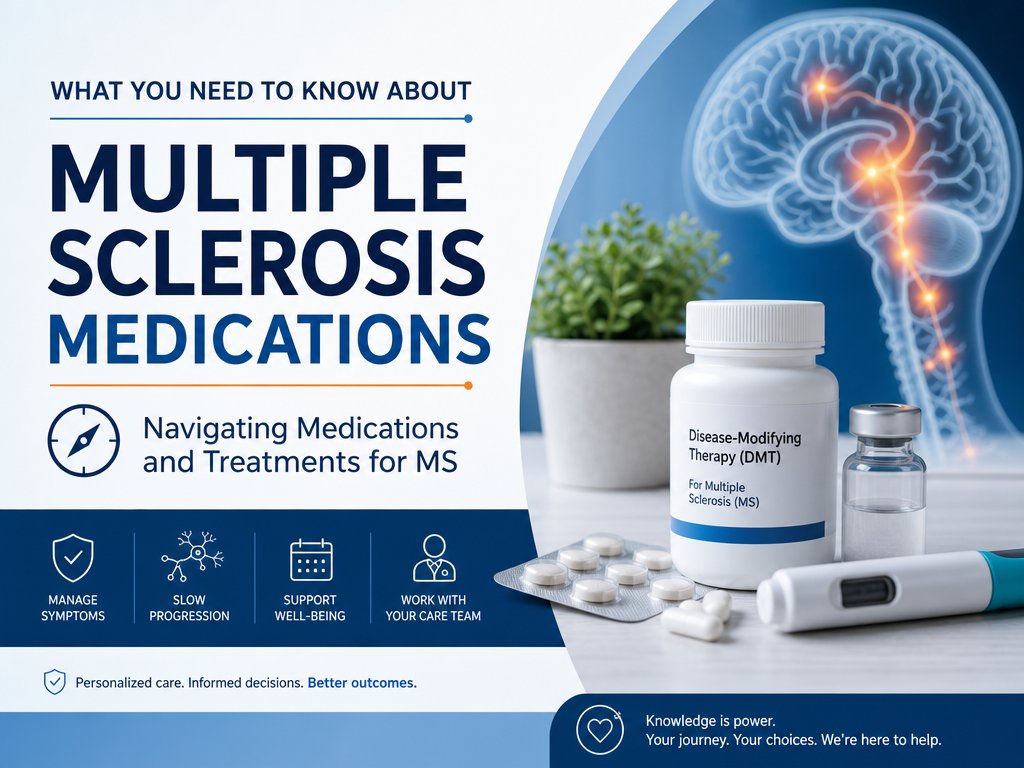
Several MS medications can lead to skin lesion side effects. Injection site reactions may result in bruising or swelling, which is distinctive from the systemic rashes that might be caused by oral or intravenous drugs. This underscores the need for patient awareness and careful management of medication side effects by healthcare providers, including adjustments of dosages or changes in medication as necessary, to improve patient comfort and minimize skin-related side effects. Proactive management and patient education regarding medication usage can lead to improved treatment adherence and outcomes. Educating patients about potential skin reactions as part of their treatment plan enhances their ability to manage and report symptoms effectively.
Diagnosis and Treatment Strategies
Diagnosing MS skin lesions often involves healthcare professionals carefully examining the affected areas to eliminate other potential causes, such as infections or allergic reactions. Treatment depends on the underlying cause, ranging from discontinuing problematic medications to prescribing treatments like antihistamines or corticosteroids to alleviate symptoms. Effective management strategies also include utilizing moisturizers or topical treatments to soothe the skin. The role of personalized medicine in diagnosing and managing these symptoms cannot be understated, as it helps cater to individual variations in response to therapies. Personalized plans can improve treatment efficacy and minimize adverse effects, allowing for a more adaptable therapeutic approach.
Risk Factors and Impact
MS skin lesions do not directly impact the disease’s progression but can lead to complications if untreated, such as infections or further skin breakdown. While anyone with MS can develop these lesions, no specific risk factors significantly increase their likelihood, though maintaining good skin hygiene and promptly addressing new symptoms can aid in prevention. Researchers continue to study genetic underpinnings and triggers of MS, hoping to better understand the formation of skin lesions and identify preventative measures. Collaborative efforts among researchers and clinicians enhance our understanding of these lesions and contribute to refining preventive strategies. Enhanced research efforts aim to improve patient prognoses and quality of life through more effective prevention and treatment methodologies.
Conclusion
Though MS skin lesions can complicate a patient’s quality of life, they are typically manageable with the right care strategies. Patients are encouraged to be proactive about their health, working closely with healthcare providers to navigate treatment and minimize symptoms related to MS-induced skin lesions. By fostering open communication with healthcare teams and adhering to prescribed care plans, individuals with MS can better manage skin lesions and maintain overall well-being. Continuous engagement in educational resources and support networks can empower patients to take an active role in their healthcare journey. Through patient empowerment and comprehensive care, individuals with MS can effectively mitigate the impacts of skin lesions, leading to improved quality of life and overall satisfaction with their treatment regimen.