Introduction to Chickpea Allergy
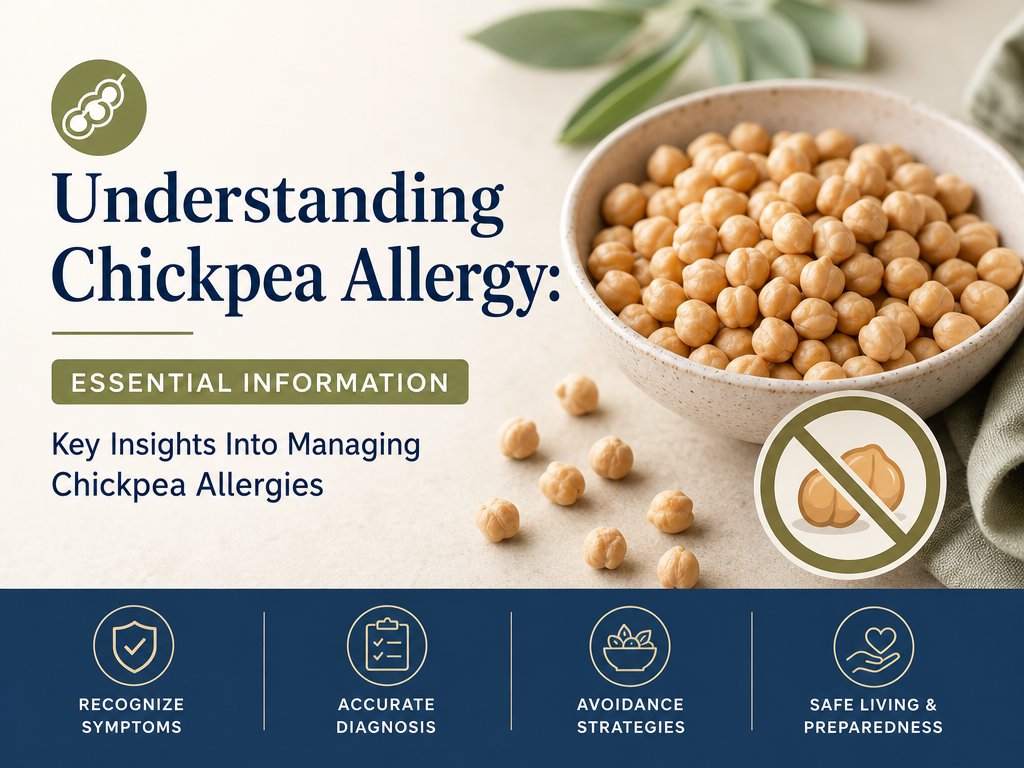
Chickpea, also known as garbanzo bean, allergy is a condition where the immune system reacts adversely to chickpeas, viewing the proteins within these legumes as harmful substances. This immune system response is distinct from intolerance, which also causes symptoms but lacks an immune-mediated basis. For individuals who suffer from this allergy, understanding the triggers and management is crucial. Chickpeas are a staple ingredient in many cuisines worldwide, including Middle Eastern, Indian, and Mediterranean dishes. Therefore, recognizing allergic reactions and understanding how to manage this condition are essential for maintaining a safe and healthy lifestyle, avoiding unintended exposure, and ensuring proper treatment in case of accidental ingestion.
The Proteins in Chickpeas
Proteins like globulin, albumin, and prolamin, which are responsible for the allergic response, remain even after cooking, making it necessary for those with allergies to avoid all chickpea-derived products, including popular dishes like hummus and falafel. These proteins act as the primary allergens and can be quite potent, causing significant reactions. Moreover, the complexity of these proteins means they can trigger allergic responses even in small amounts, necessitating strict avoidance for those diagnosed with this allergy. Individuals sensitized to these proteins must be cautious of cross-contact when dining out or buying pre-packaged foods, especially since chickpeas are often used as a hidden ingredient in processed foods, under various names, or as a substitute in gluten-free products.
Geographic Prevalence and Risks
Chickpea allergies are notably prevalent in India and the Mediterranean, given the high consumption of chickpeas in these regions. Furthermore, individuals with allergies to other legumes, particularly lentils, peas, or soybeans, may face an increased risk of developing a chickpea allergy due to cross-reactivity among legume proteins. Awareness of dietary habits and prevalent types of allergies in one’s geographic area can aid in anticipating and mitigating allergic reactions. Therefore, thorough education about regional dietary customs and prevalent allergies can be a powerful tool in preventing exposure to potential allergens. In regions where chickpeas are a dietary mainstay, individuals must be particularly vigilant to ensure they are not exposed to the allergen inadvertently.
Symptoms and Potential Reactions
Allergic responses to chickpeas can manifest in different degrees of severity. Common symptoms may include skin redness, itching, rashes, hives, and inflammation. In severe instances, symptoms may escalate to include gastrointestinal issues such as diarrhea and vomiting, as well as respiratory difficulties, which could potentially lead to life-threatening anaphylaxis. Anaphylaxis is a severe, systemic allergic reaction that requires immediate medical attention and intervention, typically through the administration of an epinephrine injection. An understanding of these symptoms ensures prompt response and treatment, preventing severe reactions. Early recognition and reaction to such symptoms are imperative in dealing with accidental exposure, making the difference between manageable symptoms and serious health risks that could have lasting implications.
Diagnosis and Testing
Handling chickpea allergy involves various diagnostic tests, including skin-prick tests or blood tests to measure specific antibodies, although they can be complex due to the absence of registered allergens specific to chickpeas. Therefore, a physician might monitor reactions by having a patient consume a small quantity of chickpeas under controlled medical observation. Confirming an allergy early on helps in managing exposure and treatment more effectively, allowing individuals to avoid unintentional ingestion and associated risks. Accurate diagnosis is fundamental to avoiding misidentification of the allergy source, thereby tailoring dietary adjustments specifically to the individual’s needs, minimizing the risk of cross-reactivity with other legumes, and ensuring that the management plan is appropriate and effective.
Comparing to Other Allergies
Although similar to peanut allergies, not all legume allergies are interconnected, meaning that not everyone allergic to one legume will necessarily be allergic to others. Consultation with a healthcare provider is recommended, especially if there’s a familial history of allergies to legumes. It’s important to discern between these types of allergies to ensure accurate diagnosis and treatment plans. A nuanced understanding of the relationship between different legume allergies can provide better insights into managing individual cases and potentially related allergens. By differentiating among these allergies, healthcare providers can create personalized management strategies that address the specific needs and risks associated with each individual’s allergy profile.
Treatment and Management Strategies
Avoiding chickpeas is the primary strategy for managing this allergy. It is crucial to have an epinephrine pen ready for emergency use in case of accidental exposure, alongside immediate medical attention to avert severe complications. Regular consultation with an allergist can help manage the condition more effectively and safely. Implementing a comprehensive management plan that includes avoiding known allergens, preparing for emergencies, and maintaining open communication with healthcare providers can significantly reduce the risk of severe allergic reactions. Additionally, reading food labels carefully and educating family, friends, and caregivers about the allergy are key components of successful allergy management, helping to prevent accidental exposure and ensuring quick response in emergency situations.
Conclusion
In sum, while chickpea intolerance might not pose life-threatening risks, allergies certainly do, requiring caution and medical guidance. Parents are advised to discuss with pediatricians before introducing chickpeas or related foods to their children, particularly if there’s a family history of similar allergies. Understanding and effectively managing chickpea allergies can greatly enhance the safety and quality of life for those afflicted. Moreover, by prioritizing awareness and education about food allergies, communities can ensure safer environments for individuals with dietary restrictions, fostering inclusivity and respect for diverse health needs. Ultimately, a well-informed approach to managing food allergies can not only prevent adverse reactions but also improve the overall well-being of those living with these conditions.