Understanding Workplace Microaggressions
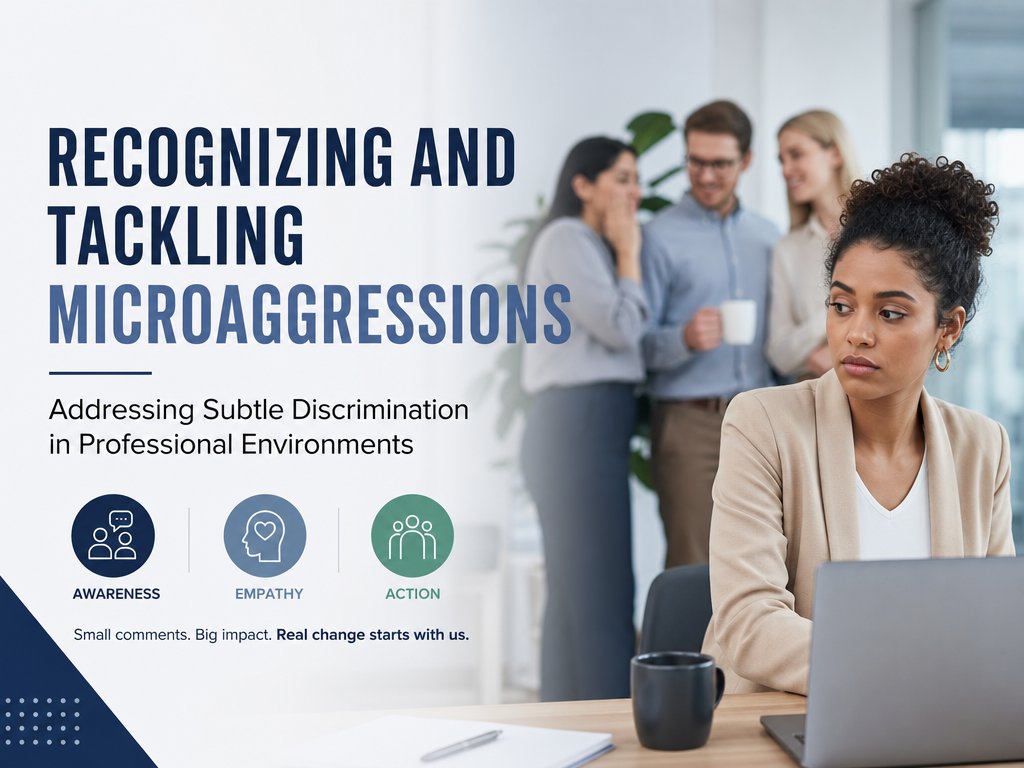
Many individuals from marginalized groups encounter microaggressions at work. These are subtle comments or actions that, whether intentional or not, convey prejudice. They can severely impact the work environment and the well-being of those affected, creating an atmosphere that feels inhospitable and unwelcoming.
The Subtlety and Impact
Microaggressions frequently target aspects of identity like race, gender, or ethnicity, fostering a toxic work culture. Despite advances in workplace diversity and inclusion initiatives, these behaviors persist, often under the radar. They might seem minor or harmless to an outside observer but can accumulate over time, causing significant distress.
Common examples include remarks that invalidate someone’s challenges based on gender or racial identity. For instance, a White colleague might equate her struggle in the industry due to her gender with that of a Black woman, failing to acknowledge the compounded racial obstacles the latter faces. Such comments can undermine the validity of the lived experiences of marginalized individuals, making them feel unseen and unheard.
Microinequities: Subtle Yet Harmful
In parallel, microinequities encompass nonverbal discrimination practices such as ignoring input from a marginalized colleague or routinely excluding them from important discussions or opportunities. These acts might appear trivial individually, yet they collectively serve to undermine the contributions and the value of these individuals’ presence in the workplace. Over time, this can have a detrimental impact on both work performance and mental health.
The Consequences of Microaggressions
Research has shown that workplace microaggressions can lead to increased levels of stress, burnout, and mental health issues among employees. For example, minority medical residents and peer support specialists have frequently reported being affected by these subtle biases, which can permeate their professional efficacy as well as their personal lives. The continuous need to navigate these slights can take a psychological toll, causing individuals to feel constantly on edge or undervalued.
Microaggressions can also hinder career advancement, as employees facing these challenges may be overlooked for promotion or additional responsibilities. This can occur due to perceptions influenced by stereotypes or biases, whether conscious or not, affecting decision-making processes within the organization. Such an environment not only harms those directly impacted but can also reduce overall organizational effectiveness as diverse perspectives are not adequately recognized or utilized.
Addressing the Issue
Addressing the issue requires dedicated effort from both management and employees. Employers should aim to create an inclusive environment by implementing robust diversity education programs and ensuring the active enforcement of policies designed to protect employees from these harmful behaviors. Leadership must set an example by championing respect and equity within the workplace, fostering an environment where all voices are heard and valued.
Employees, on their part, should strive to become more aware of their own behaviors and reactions. Although often unconscious, microaggressions have real impacts on those around them. Increasing awareness and understanding can significantly reduce these incidents, making the workplace more welcoming and inclusive for everyone.
Response Strategies
If you are confronted with a workplace microaggression, it is advisable to document the incident and report it to HR or management, especially if you feel unsafe. Many organizations have established processes to manage such issues effectively, providing a clear pathway for conflict resolution. Open dialogue can also be a powerful tool for addressing microaggressions. Engaging in constructive conversations with colleagues can foster understanding and dispel misconceptions.
Moreover, building alliances with peers and participating in diversity-focused groups within your organization can empower you and others to address these challenges collectively. Such collective actions can amplify marginalized voices and push for necessary changes within the organizational culture, creating a more supportive environment for everyone.
Final Thoughts
Despite their often understated nature, workplace microaggressions significantly impact marginalized staff, leading to feelings of distrust, lowered self-esteem, and job dissatisfaction. It isn’t just the immediate effect that these actions have; over time, they can erode the overall workplace climate, decreasing morale and productivity. It is crucial for employers to take a proactive role in championing diversity and equity to ensure a respectful and supportive environment in which everyone can thrive.
Understanding and addressing microaggressions is a continuous journey. Both personal commitment and systemic change are necessary to foster workplaces where diversity is genuinely embraced and equality is the norm. An inclusive work environment not only benefits those directly affected but enhances the organization as a whole, contributing to a healthier, more innovative, and more productive workplace culture. The commitment to addressing microaggressions must be ongoing, as society and workplaces evolve. Therefore, continuous learning, feedback, and adjustment of strategies are key to making sustained progress.