Introduction
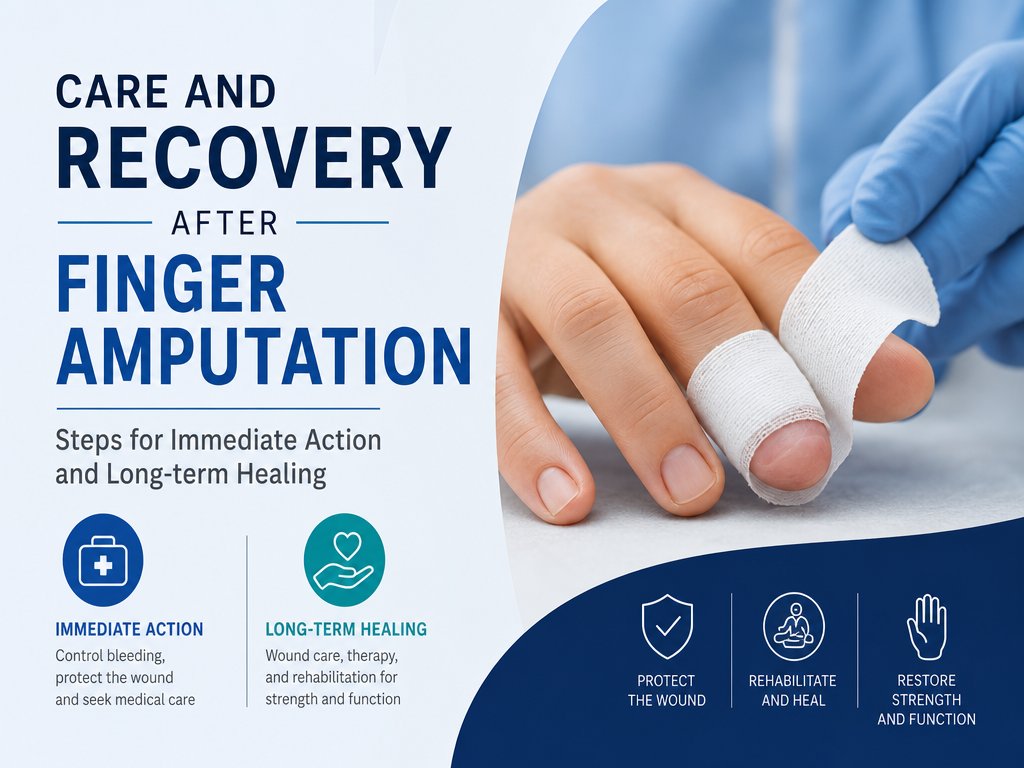
A finger amputation refers to the partial or complete detachment of a finger from the hand. This type of injury requires prompt medical attention and appropriate first aid measures to minimize complications and enhance recovery. It’s crucial to act calmly and efficiently to manage the situation effectively. Whether the injury occurs from an accident at home, during sports activities, or at work, knowing how to respond immediately can significantly impact the recovery process.
First Aid Measures for a Severed Finger
Immediate Steps
If a finger is severed, it is crucial to keep the detached part cold without direct contact with ice. Use ice or a mixture of ice and water, or alternatively place the finger on a bag of frozen food to cool it. Avoid using dry ice as this can cause further damage. Ensure the severed finger is wrapped in moist gauze and placed in a sealed plastic bag. Then, place the bag in a container with ice. This ensures the finger remains cold but not wet. Importantly, ensure the finger is transported to the hospital with the patient. Time is of the essence in cases of amputations, and getting to medical care quickly can increase the chances of successful reattachment.
Preventing Shock
An injury can induce shock due to a sudden drop in blood pressure. To manage shock, maintain the injured person’s body warmth and ensure they receive medical care swiftly. Encourage the person to lie down and elevate their feet if possible to promote blood flow. Keeping the victim calm and comfortable while waiting for help is beneficial. Recognizing the symptoms of shock, such as confusion, rapid pulse, or shallow breathing, can assist in providing timely and effective first aid.
Surgical Intervention
Replantation Process
Reattaching a severed finger involves a detailed examination under a microscope to determine viability. Full-length fingers are harder to reattach than partially severed ones. Factors such as the level of amputation, the time elapsed, and the condition of the severed part play critical roles in decision-making. If reattachment is not possible, surgical methods such as flaps or grafts are used to repair the wound. Surgeons focus on restoring blood supply and repairing tendons, nerves, and skin to achieve the best functional outcome. The success of replantation largely depends on the injury’s nature, patient health, and precision of the surgical technique.
Recovery and Rehabilitation
Post-Surgical Expectations
The recovery period varies based on the injury’s severity and can range from weeks to years. Post-surgery, pain management through medication and antibiotics to prevent infection are important. Follow-up visits with healthcare providers are crucial to monitor healing progress and adjust treatment plans as necessary. Patients might have to wear protective dressings or splints to support healing and protection. Adherence to post-operative care instructions is crucial to avoid complications and ensure optimal healing of the repaired finger.
Physical Therapy
Rehabilitation exercises are crucial in regaining hand function and strength. Therapy typically starts 4-8 weeks post-surgery and might continue for six months or longer. Therapists use various techniques including stretching, strengthening exercises, and manual therapy to enhance hand function and prevent stiffness. Home exercises and splints may aid in recovery, and it’s important for patients to be committed to their rehabilitation program to achieve the best outcomes. Consistency and patience during the rehabilitation process are key to regaining as much motion and dexterity as possible.
Occupational Therapy
Aside from physical therapy, occupational therapy plays a vital role in rehabilitation. It focuses on improving the ability to perform day-to-day activities. Occupational therapists work with patients on fine motor skills and adaptive techniques, ensuring they can return to everyday tasks as independently as possible. Simple adaptations in routines or tools can significantly improve quality of life. Patients often learn how to compensate for lost function and adapt their environment accordingly. Custom-made splints and assistive devices might be introduced to facilitate daily activities and help patients regain independence.
Potential Complications
Long-term complications can include nerve damage or psychiatric issues such as PTSD or depression. Rehabilitation and support groups may assist in coping and recovery. Nerve damage can result in altered sensation or motor function, which may necessitate additional treatment or surgery. Psychological support or counseling can help patients adjust to any changes in their body image or function and improve their overall mental health. Understanding potential risks following surgery or injury helps in setting realistic expectations and preparing for all aspects of healing.
Conclusion
Effective first aid, surgical intervention, and rehabilitation are critical to recovery following a finger amputation. Support networks and therapeutic strategies contribute to regaining function and enhancing overall well-being. Education about injury prevention and understanding the recovery process can empower patients and their families. Engaging in continuous communication with healthcare providers ensures a comprehensive and informed approach to healing. Ultimately, a multidisciplinary healthcare team is essential in facilitating optimal recovery and quality of life for individuals recovering from finger amputation. Being informed and proactive in managing both the physical and emotional aspects of recovery can significantly impact the healing journey and long-term outcomes.