Understanding Ingrown Pubic Hair
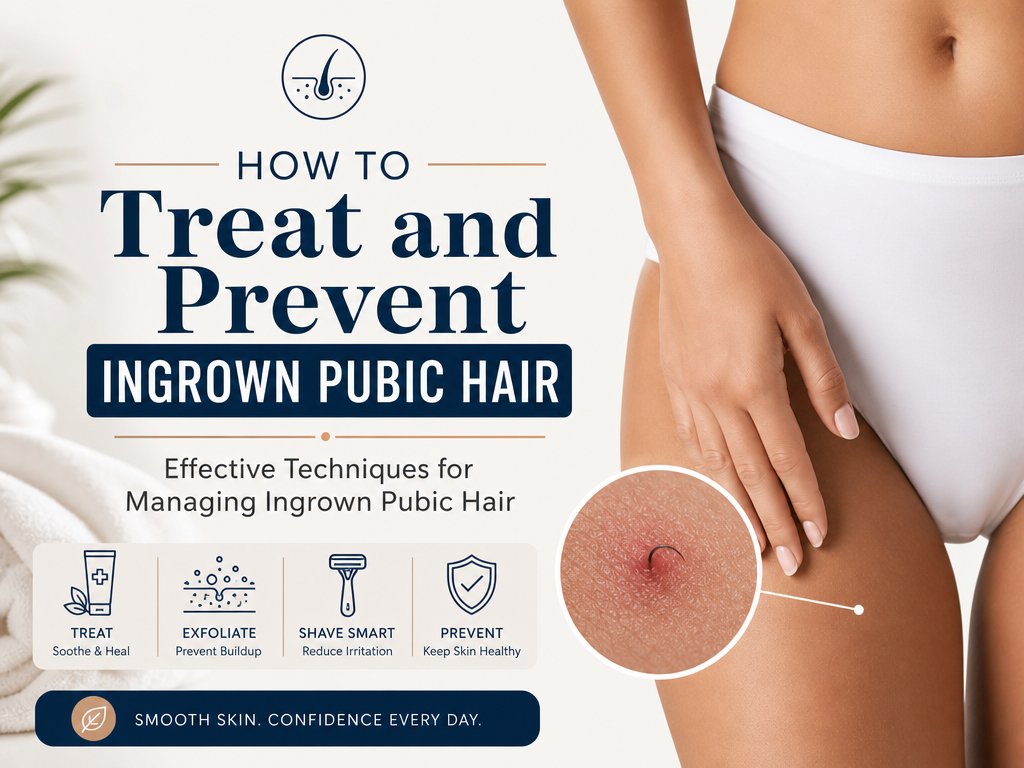
Ingrown pubic hair occurs when hair grows back into the skin instead of rising to the surface. This is common after shaving, waxing, or plucking, especially in the pubic region, where hair is coarser and thicker. It often leads to redness, irritation, and discomfort, which can escalate depending on the skin’s reaction and treatment over time. This issue is frequent among individuals with curly or coarse hair due to the nature of hair growth. Those affected might encounter raised red bumps, sometimes filled with pus, resembling small pimples. These can be itchy, painful, and cause embarrassment or anxiety, particularly if in visible or sensitive areas.
The trapped hair often causes inflammation, leading some to mistake it for other dermatological issues like folliculitis, which is inflammation of the hair follicles from infection. Correctly identifying the cause of skin irritation is crucial for effective treatment. Managing this condition involves understanding various treatments, from home remedies to medical interventions and prevention strategies.
Strategies to Treat Ingrown Pubic Hair
In most cases, ingrown pubic hairs resolve naturally. However, if they persist or become bothersome, consider the following methods:
Using Warm Compresses
Applying a warm compress can help hair emerge by enhancing circulation, softening skin, reducing swelling, and easing discomfort. Gently rubbing a wet washcloth or a soft toothbrush in circular motions can help free trapped hair, enabling it to grow outward. Repeat this several times daily for best results.
Gentle Extractions
When hair becomes noticeable, use sterilized tweezers or a needle to carefully draw it out without fully plucking it to avoid skin breakage and potential infections. Ensure all tools are sterilized to prevent introducing bacteria into the skin. Disinfect the area before and after extraction, and apply an antiseptic to prevent infection.
Medical Treatments
For persistent inflammation, doctors may recommend topical steroids to reduce redness and swelling. These creams calm the skin’s inflammatory response, bringing relief. Prescription retinoids may promote shedding of dead skin cells and lighten dark patches from ingrown hairs. These treatments are not recommended during pregnancy due to potential risks, so consultation with a doctor is essential. Antibiotics may be prescribed if an infection is diagnosed or suspected.
Preventative Measures
The best way to prevent ingrown hairs is to avoid hair removal entirely. Since this isn’t always feasible, consider the following grooming tips:
Proper Shaving Techniques
Using a single-blade razor and shaving in the direction of hair growth can reduce the risk of ingrown hairs. Employ a lubricating shave cream for sensitive areas to facilitate a smoother experience and reduce irritation. Shaving after a shower, when skin and hair are softer, may improve outcomes.
Razors and Hair Removal Alternatives
Consider razors crafted to lower the risk of ingrown hairs, often featuring a protective strip or multiple blades designed to reduce irritation. Alternatively, chemical hair removal creams and laser treatments can be effective, though the former may cause irritation if not used correctly. Laser hair removal uses light to target hair follicles, resulting in finer hair, while electrolysis offers a more permanent solution using electric currents to destroy follicles. Both require multiple sessions for desired outcomes. Awareness of these options helps individuals make informed decisions based on skin type and needs.
Identifying Risk Factors
Individuals with coarse or curly hair are more susceptible to ingrown hairs. Recognizing these risk factors is crucial for preventive measures. Pre-emptive care, such as regular exfoliation, removes dead skin cells blocking follicles, supporting unobstructed hair growth.
When to Consult a Doctor
If ingrown hairs become painful, infected, or recurrent, seek medical advice. Persistent cases may require antibiotics if hair becomes infected. Distinguishing between simple ingrown hairs and severe conditions needing intervention ensures appropriate treatment. Medical attention prevents complications like scarring or infections.
Conclusion
While often harmless, ingrown pubic hairs can be bothersome and distressing. With informed prevention and treatment strategies, individuals can manage them effectively, enhancing comfort and skin health. Proper techniques and varied hair removal methods are crucial in avoiding this common issue. Maintaining a healthy skin care routine and monitoring reactions to treatments reduce occurrence.
Further Insights
The American Academy of Dermatology Association suggests replacing razor blades every five to seven shaves, as dull blades increase ingrown hairs by ineffectively tugging at follicles. A sharp and clean razor ensures precise strokes and is less traumatic to skin. Technologies like laser hair removal and electrolysis provide long-lasting results but require multiple sessions for efficacy. For those exploring hair removal, understanding effectiveness and skin safety balances optimal results with skin health. Research and dermatological consultation can enhance decision-making for improved skin care outcomes. Recognizing personal comfort levels and individual reactions to treatments is essential for safely managing ingrown hairs.