Understanding Erectile Dysfunction
Erectile dysfunction (ED) is a prevalent issue where a male struggles to achieve or sustain an erection sufficient for satisfactory sexual activity. While occasional difficulties can arise for many men, persistent or recurring issues may be indicative of underlying health concerns and significantly impact one’s life quality and self-esteem. Various studies, including one from 2016, have highlighted both physical and emotional causes. Conditions such as diabetes, obesity, and cardiovascular diseases increase the risk, whereas mental health factors such as stress, anxiety, and depression also play a contributory role. Understanding that ED can have multiple contributing factors underscores the importance of addressing these issues comprehensively, whether through medical intervention or lifestyle modifications.
Medical and Lifestyle Treatments
Several medical treatments, including medications like phosphodiesterase inhibitors (such as Viagra or Cialis), are available and can effectively treat ED. However, lifestyle changes are often recommended as they can make a substantial difference in managing or preventing ED. Adopting a healthy balance in diet and regular exercise and practicing moderation in smoking and alcohol consumption can reduce risks linked to obesity and cardiovascular diseases, thereby contributing to a healthier sex life. Moreover, these lifestyle modifications can enhance other aspects of one’s health, leading to improved overall well-being.
The Role of Diet in Managing ED
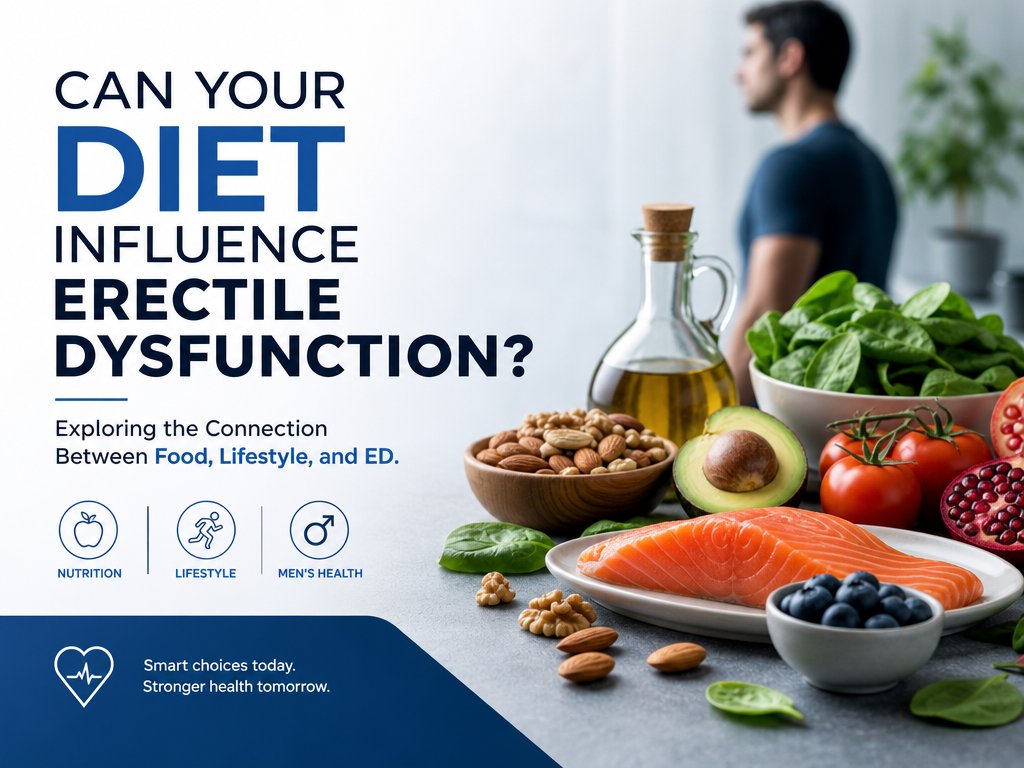
Numerous studies and research have highlighted the strong connection between diet and ED management. Adopting dietary patterns such as the Mediterranean diet, which is rich in plant-based foods, whole grains, fish, and characterized by a lower intake of red meat, has been shown to be particularly beneficial. Such a diet not only supports heart health but improves erectile function. Foods high in flavonoids, such as those found in cocoa, berries, and certain fruits, help improve blood flow and increase nitric oxide concentration, aiding in the maintenance of an erection. This relationship between diet, cardiovascular health, and erectile function underscores the intricate connection of bodily systems and the importance of a holistic approach to health.
Specific Foods That Aid ED
Specific foods have been identified to aid in improving ED. Pistachios, for example, which are rich in antioxidants and healthy fats, have been shown to improve cardiovascular health, which is closely linked to erectile function. Watermelon is another excellent food choice as it provides lycopene and citrulline, compounds that help improve blood flow and assist in the relaxation of blood vessels. Additionally, moderate caffeine and alcohol intake might serve a protective role, whereas consumption in excess can be harmful. Conversely, smoking poses significant risks and should be avoided or minimized as much as possible. The strategic inclusion of such beneficial foods in daily diet plans can incrementally lead to improved sexual health and reduce the necessity for more invasive medical treatments.
Despite growing interest in alternative remedies for ED, experts advise exercising caution. Herbal supplements often lack robust evidence and some may even contain undisclosed, harmful ingredients. As such, consulting healthcare professionals before trying new treatments is crucial to ensure safety and efficacy. It’s important to critically evaluate any alternative solution and not to rely solely on unverified information found from non-medical sources. Recognizing the potential risks associated with unsupervised use of supplements can prevent adverse effects and guide individuals toward scientifically supported treatment options, offering a safer path to effective ED management.
Conclusion
For those experiencing symptoms of ED, it’s imperative to consult a physician for proper diagnosis and treatment planning. Early intervention can often prevent progression and may also uncover other underlying health issues that need addressing. Integrating a healthy diet and lifestyle into daily routines not only offers benefits for overall wellness but also supports maintaining a fulfilling and active sex life. By being proactive and informed about their health, individuals can better manage ED and enhance their quality of life. Awareness and education about erectile dysfunction, its causes, treatments, and lifestyle factors greatly empower individuals to take informed steps towards resolution. This proactive approach in managing one’s health encourages beneficial habits that not only address immediate health concerns, such as ED, but also contribute to long-term physical and mental well-being, reinforcing a healthier lifestyle overall.