Introduction to Molluscum Contagiosum
Molluscum contagiosum is a widespread viral skin infection characterized by the emergence of small, painless bumps or lesions on the skin. It primarily affects children, though it can also appear in adults. Despite being highly contagious, the condition typically doesn’t cause any lasting harm and often resolves on its own without leaving any scarring behind. The lesions are generally benign and do not usually result in serious health issues; however, they can be aesthetically unappealing and cause discomfort due to their physical presence.
The Spread of Molluscum Contagiosum
This virus spreads easily through direct skin-to-skin contact with infected individuals or by touching objects contaminated with the virus, such as towels or clothing. The virus thrives in environments where close contact occurs frequently, making it common in settings like schools, childcare centers, and sports facilities. Additionally, recreational water activities in pools and hot tubs can also facilitate the transmission because the virus can persist for some time in water, heightening the risk of infection.
Who is at Risk?
Although anyone can contract molluscum contagiosum, children aged 1 to 10 are particularly susceptible due to their close contact during play. Adults can also be at risk, especially in environments like gyms, workplaces, and communal living spaces where there are shared surfaces and equipment. Additionally, individuals with weakened immune systems may experience more pronounced symptoms. People living in crowded households where sharing personal items cannot always be easily avoided are also more vulnerable. Furthermore, athletes involved in contact sports like wrestling are at a heightened risk due to the skin-to-skin contact characteristic of such activities.
Prevention Tips
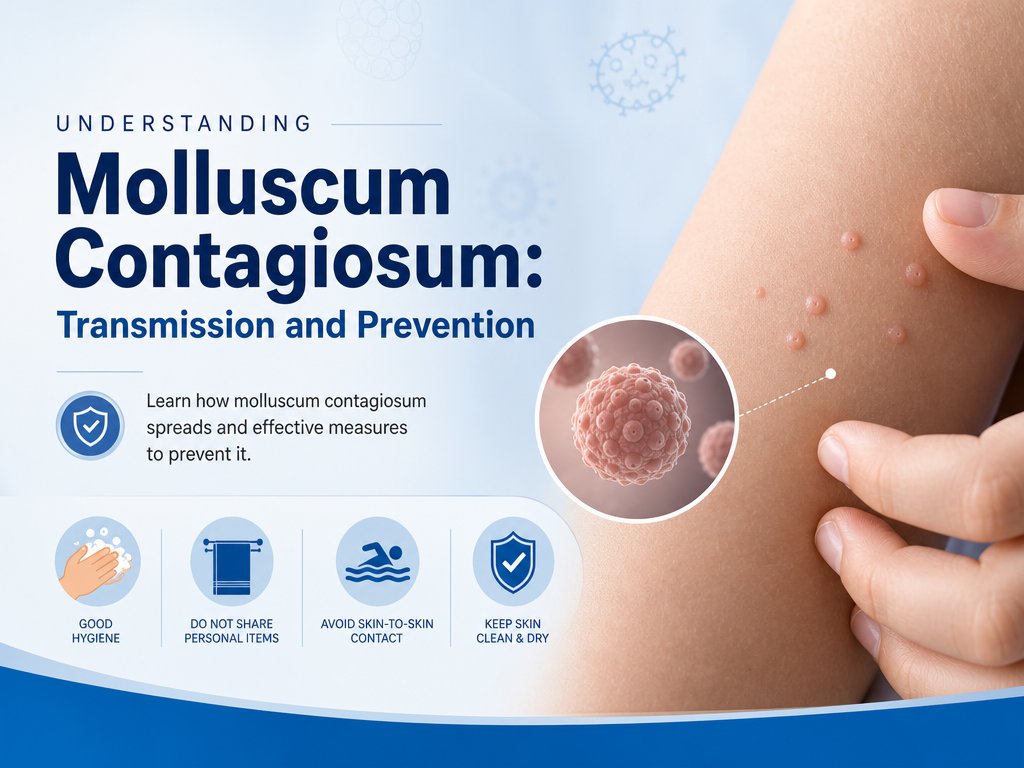
Effective preventative measures include covering any visible lesions with clothing or bandages to reduce the risk of transmission. Individuals should also avoid sharing personal items such as towels, clothing, and sports equipment. Practicing good hygiene, such as frequent and thorough hand washing, is crucial, especially in environments that are considered high risk for the spread of infection. Educating children and adults on these practices at an early age can significantly contribute to reducing the rate of transmission, promoting a culture of awareness and cleanliness.
Recognizing and Managing Symptoms
Molluscum contagiosum typically appears as small, dome-shaped bumps on the skin, ranging from 2 to 5 millimeters in diameter, with a distinctive dimple or indentation in the center. These bumps can appear anywhere on the body but are most often found on the trunk, limbs, and face. While the bumps usually resolve spontaneously within 6 to 12 months, some cases may last longer, especially in individuals with weakened immune systems. It’s essential to consult a healthcare provider if new bumps or unexplained rashes occur, as they can help rule out other conditions such as warts, chickenpox, or other more concerning skin issues.
When to Seek Treatment?
Most cases of molluscum contagiosum do not require medical intervention, as the lesions often disappear on their own over time. However, professional medical removal may be considered for extensive growths, bumps that cause discomfort, or those located in areas where they might be easily irritated. Treatment options include cryotherapy, curettage, or topical therapies, which can help reduce the number of lesions and limit further spread. It’s important to discuss these options with a qualified healthcare professional who can tailor the treatment to individual patient needs and concerns.
Conclusion
Due to its highly contagious nature, molluscum contagiosum requires careful management to prevent its spread. Maintaining good personal hygiene, covering any lesions, and avoiding the sharing of personal items are essential preventive strategies. Consulting healthcare professionals when necessary can ensure an accurate diagnosis and appropriate management of the condition. Early identification and intervention can help control outbreaks and promote quicker resolution of the infection, minimizing the chances of further transmission to others. Overall, awareness and caution in managing molluscum contagiosum can go a long way in preventing its spread within communities. Educating individuals and families about the nature of the virus and ways to manage it effectively is key to controlling its impact on a broader scale. Through collective efforts and adherence to preventive measures, community health can be greatly safeguarded.