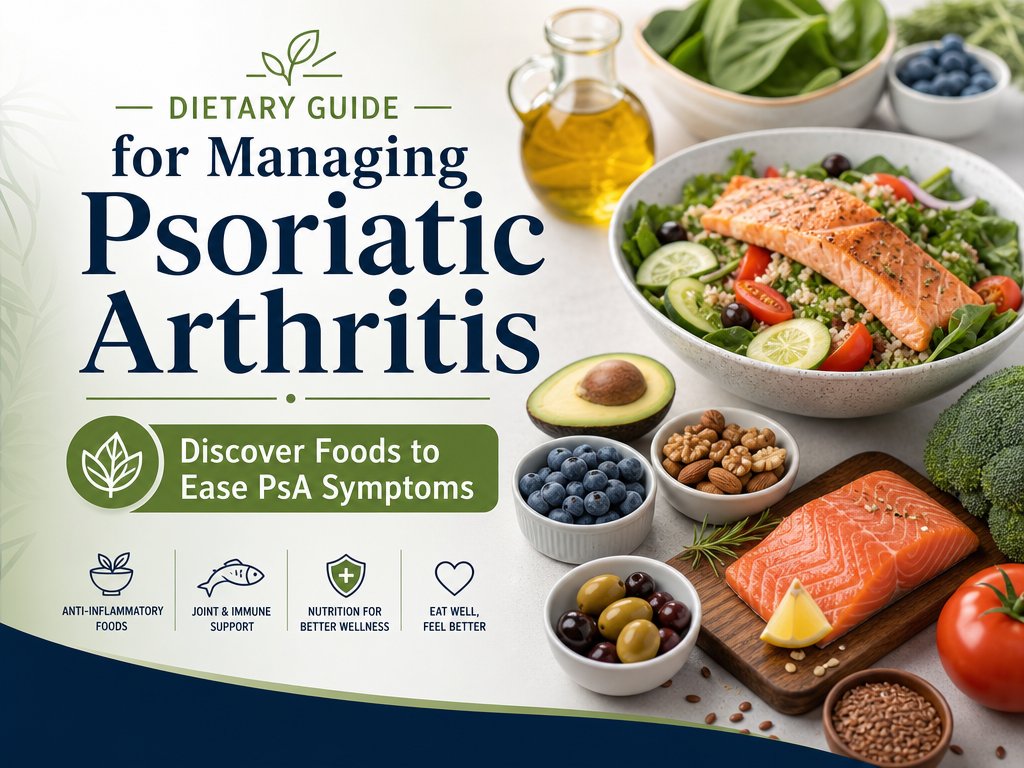
Introduction to Sardines
Sardines are small, oily fish that have been consumed for centuries. They are named after the Italian island, Sardinia, where they were once found in great abundance. Known for their rich nutrient profile, these fish are packed with essential omega-3 fatty acids, vitamins, calcium, and minerals, making them an excellent dietary choice. Despite their relatively high salt and calorie content, sardines offer significant health benefits and can be a vital addition to a balanced diet. Providing an affordable and accessible nutrition option, sardines are ideal for those looking to enhance their dietary intake with nutrient-dense foods.
Nutritional Value of Sardines
Sardines are renowned for their abundance of omega-3 fatty acids, well-documented for their anti-inflammatory properties. Regular consumption can potentially prevent heart disease, lower blood pressure, and reduce the risk of blood clots. Such benefits are particularly advantageous for those who have already experienced heart attacks. Omega-3 fatty acids are also essential for brain health, promoting improved cognitive function and overall mental clarity, thus supporting a more focused and alert mindset. Furthermore, omega-3s are known to aid in reducing inflammation and have been linked to improved joint health and reduced symptoms in conditions like arthritis.
This fish also delivers a considerable amount of vitamin B-12, a crucial element for cardiovascular health and sustaining energy levels. Vitamin B-12 contributes to the production of red blood cells and may play a role in maintaining healthy nerve cells. Furthermore, sardines are a source of vitamin D, which, in tandem with calcium, helps maintain strong and healthy bones. As one of the rare food sources naturally containing vitamin D, sardines aid in boosting the body’s immune function and improving bone mineral density, offering a beneficial alternative for non-dairy calcium sources and supporting overall skeletal health.
Sources of Nutrients in Sardines
Beyond vitamins, sardines are rich in protein, aiding in the building of strong bones and muscles, and contributing to a robust immune system. Protein is crucial for cell repair and regeneration, highlighting sardines as an excellent post-workout meal choice by promoting muscle recovery and growth. When procuring canned sardines, selecting those packed in olive oil or water allows for better fat control, and always checking expiration dates ensures optimal freshness and flavor retention.
Sardines are also a good source of minerals like selenium, which supports thyroid function and plays a role in maintaining metabolic health. The presence of phosphorus helps maintain strong teeth and bones, while the iron content supports oxygen transport in the blood, enhancing overall physical stamina and energy levels.
Consumption and Culinary Uses
Sardines, whether fresh or canned, lend themselves to numerous culinary applications. They can be seamlessly incorporated into salads, served as a quick snack on crackers, or utilized as a flavorful component in main dishes. Fresh sardines should be gutted and rinsed thoroughly before cooking to ensure cleanliness and preparation readiness, ensuring a safe and enjoyable dining experience.
Diverse preparation methods include grilling for a healthy appetizer or adding to Greek salads for a nutrient-rich protein boost. Mashing sardines with avocado makes for a nutritious spread perfect for sandwiches or toast, adding a creamy texture and healthy fats. Using sardines in casseroles or pastas can create delightful dishes that are both flavorful and nutritionally beneficial, enhancing the overall taste profile of the meal while enriching it with essential nutrients.
Considerations and Health Risks
Individuals with conditions such as kidney issues or gout should limit sardine consumption due to their natural uric acid content, as it could potentially aggravate these conditions. The high salt content found in canned sardines might also pose concerns for those who need to regulate their salt intake. Opting for low-sodium versions is advisable for such dietary restrictions, and being mindful of caloric density is key for those managing calorie intake as part of a weight management plan, allowing for nutritious eating without excessive calorie consumption.
People with seafood allergies should avoid sardines, as an allergic reaction can pose serious health risks. Pregnant or nursing individuals must exercise caution with fish intake, although sardines are generally considered safer compared to other fish known for higher mercury levels. With measured, moderate consumption, health benefits can still be obtained without significant risk when monitored appropriately.
Conclusion
Sardines may hold a divided reputation, but the array of nutritional benefits they provide makes them worthy of consideration for those seeking a healthier diet. With relatively minimal downsides, their incorporation into meals can offer substantial health benefits, making them an excellent choice for both snacks and main courses. Sardines, with their nutrient density and cost-effectiveness, represent an appealing option for those aiming to enhance overall health and well-being, offering a delightful culinary experience.
This article draws inspiration from Healthline, seeking to offer practical health advice conducive to a balanced lifestyle. By integrating sardines and similar nutrient-rich foods into one’s diet, individuals can significantly boost health outcomes and maintain optimal well-being with relative ease and enjoyment.