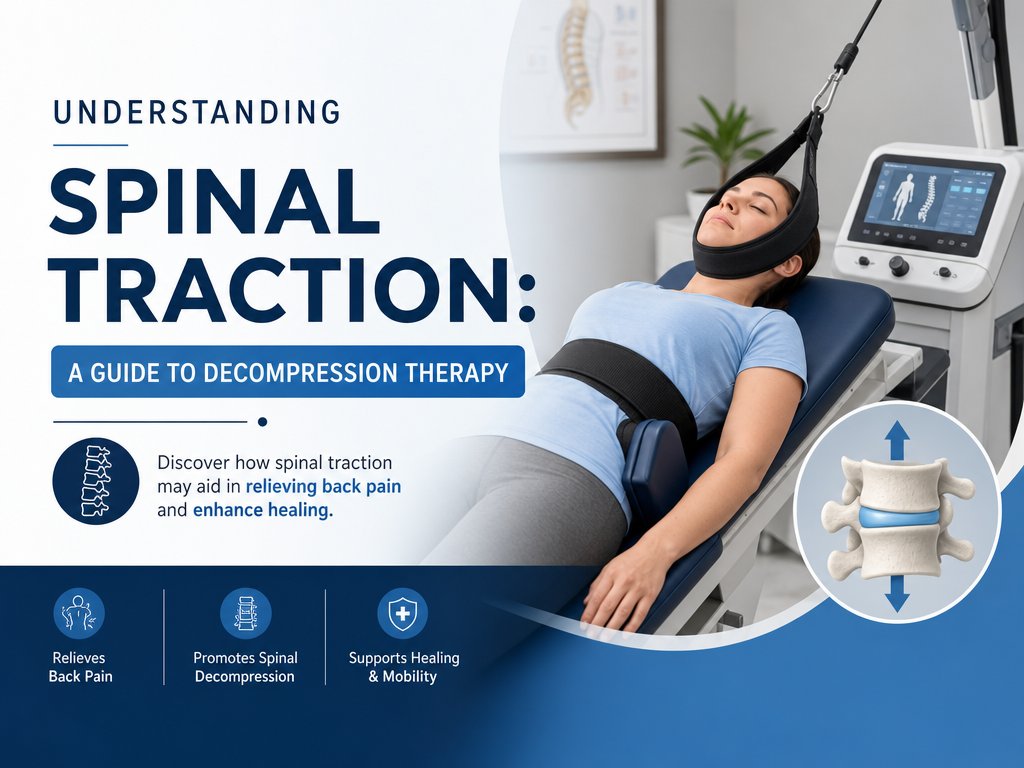
Introduction to Spinal Traction
Spinal traction is an effective decompression therapy that aims to alleviate spinal pressure, offering relief for various back-related issues. It can be conducted either manually by a therapist or through mechanical means, making it a versatile option in medical practices. Known for its ability to address numerous spinal problems, it serves as a non-invasive approach to promoting spinal health.
Applications of Spinal Traction
Traction therapy is particularly beneficial for conditions like herniated discs, sciatica, degenerative disc disease, and pinched nerves. By carefully stretching the spine, spinal traction helps reduce pressure on compressed discs, thereby promoting spinal health and recovery. Additionally, it can be used as part of a rehabilitation program following certain types of back surgery, aiding in the recovery process by helping to restore proper alignment and reduce muscle tension.
How Spinal Traction Works
The principle behind this therapy is to counteract gravity’s effects on the spine, essentially realigning and elongating it, which facilitates natural healing. This non-invasive method is appreciated for delivering pain relief and improving spinal alignment without surgical intervention. By creating negative pressure within the disc, traction can also aid in pulling herniated disc material back into place, which relieves pressure on nerves and reduces pain associated with nerve compression.
Methods of Spinal Traction
Spinal traction is usually administered in two forms:
- Manual Traction: Conducted by a physical therapist using hands-on techniques to apply force on the spine and expand the spaces between vertebrae. This method allows therapists to adjust the amount of force and direction to meet the specific needs of a patient’s condition.
- Mechanical Traction: Utilizes a specially equipped table where pulleys and ropes apply consistent, steady force to relieve spinal pressure. This can provide a more controlled and sustained traction force over extended periods, beneficial for certain conditions.
Considerations and Side Effects
While generally safe, traction should be approached cautiously, especially for individuals with osteoporosis, certain cancers, or severe cardiovascular issues. Some may experience side effects such as muscle spasms or discomfort during or after sessions. It is crucial to consult healthcare providers to weigh benefits against potential risks before commencing traction therapy. Monitoring progress and adjusting treatment is vital to ensure maximum benefit and minimize risk.
Enhancing Therapy Involvement
Collaboration with physicians to customize treatment plans often leads to the best results. Spinal traction can complement other physical therapies, enhancing overall recovery and pain management. Patients are often encouraged to engage in lifestyle modifications, such as exercises or ergonomic adjustments, to support the effectiveness of traction therapy.
Conclusion
Spinal traction remains a promising option for those seeking pain relief and enhanced mobility. Though not without its challenges, its capacity to improve quality of life for many makes it a valuable alternative in therapeutic regimens. As an integral part of a comprehensive treatment plan, it can play a significant role in achieving long-term back health and functional recovery, making life more comfortable for patients dealing with chronic spinal conditions.