Lip Biting: A Common Habit with Deeper Implications
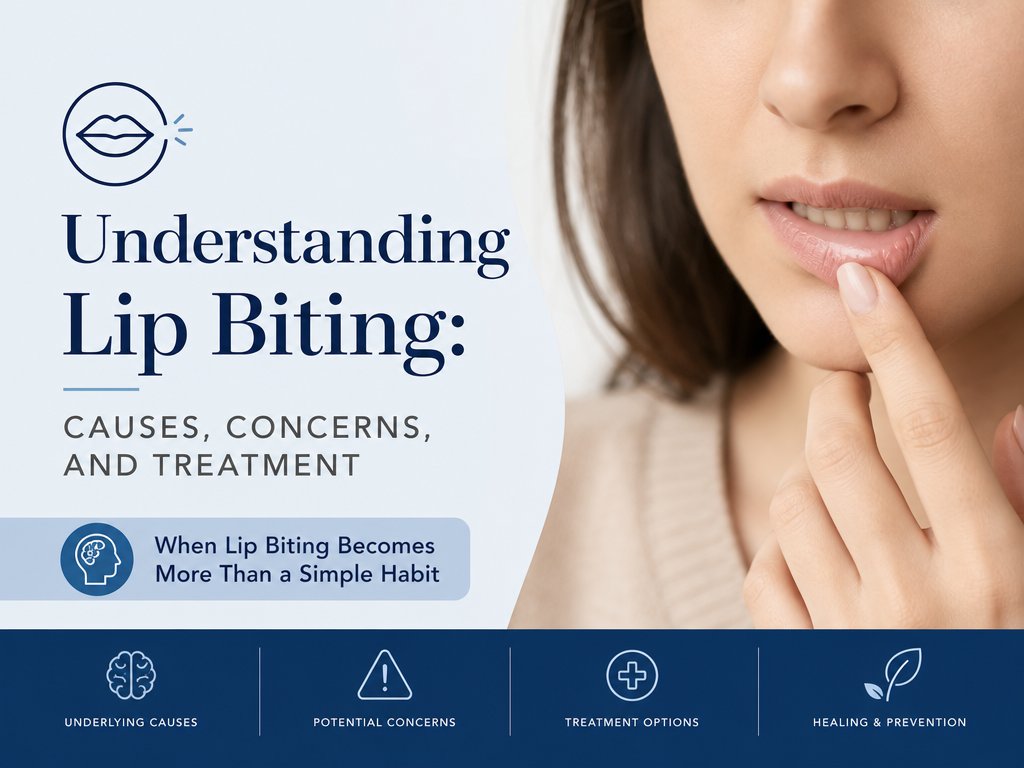
Many people occasionally bite their lips without much thought. However, when it becomes frequent or uncontrollable, it may indicate a body-focused repetitive behavior (BFRB). While not listed in the latest Diagnostic and Statistical Manual of Mental Disorders (DSM-5), chronic lip biting is categorized under “other specified obsessive-compulsive and related disorders.” BFRBs cause distress and can hinder daily functioning, though not considered acts of self-harm. These behaviors signify repetitive actions directed toward the body, potentially leading to physical harm over time without the conscious intent to self-injure.
Triggers and Potential Causes
Stress and anxiety are common triggers, but some individuals may be biologically predisposed to BFRBs like lip biting. Factors like temperament, environmental influences, and dental issues play significant roles. Dental misalignments and temporomandibular joint (TMJ) disorder often lead to accidental lip biting and can worsen the habit. Understanding underlying biological and environmental factors can help devise effective strategies for reduction. Moreover, personality traits like perfectionism may also contribute, as individuals focus excessively on achieving a certain ideal, inadvertently biting their lips in concentration.
Understanding BFRBs
BFRBs involve repetitive damage to the body, like hair pulling or lip biting. The TLC Foundation for Body-Focused Repetitive Behaviors suggests more than 3% of the population experiences BFRBs, yet many remain undiagnosed due to lack of awareness. These behaviors are not usually associated with psychological trauma but can emerge from genetic, psychological, and environmental factors. Recognizing these behaviors early is crucial for intervention and management. Enhanced awareness and educational initiatives are essential to improve recognition and diagnosis.
When to Seek Help
If lip biting seems accidental, consult a dentist to rule out dental conditions such as misalignments or TMJ disorder. If the habit seems stress-induced and uncontrollable, professional mental health guidance is recommended. Therapists specializing in compulsive behaviors can help determine the best course of treatment and suggest coping mechanisms. Seeking help from support groups can provide emotional backing and shared experiences that can be empowering for those seeking community understanding of their struggles.
Effective Treatments for Lip Biting
Awareness is crucial for managing the habit. Techniques like keeping a journal or identifying pre-lip-biting triggers may help reduce episodes’ frequency. Treatment can range from behavioral therapies like Cognitive Behavioral Therapy (CBT) to specific dental adjustments for structural issues. Managing stress through healthy lifestyle changes, like exercise, meditation, and adequate sleep, can prevent the occurrence and escalation of BFRBs. Alternative therapies like art or music therapy may provide unique emotional outlets, reducing reliance on habits like lip biting.
Preventing Recurrence
Even after effective treatment, BFRBs can resurface under stress or due to other triggers. It’s important to stay vigilant to recurring symptoms. Previously successful strategies can be re-employed, or new methods may need exploration to address changing circumstances or stressors. If lip biting occasionally crops up, it’s generally not problematic. However, persistent issues warrant attention to ensure overall well-being and prevent potential damage to the lips over time. Preparing a personalized plan with strategies for high-stress periods can ensure the behavior does not resurface, maintaining long-term well-being.
In summary, while occasional lip biting is not inherently harmful, persistent, uncontrollable instances may point to a larger issue needing addressing. Professional treatments and mindful practices can help stop this habit and ensure a healthier lifestyle. Understanding root causes, triggers, and interventions makes it possible to manage and overcome lip biting effectively, enhancing life quality and psychological health. By taking proactive steps and maintaining awareness about the habit, individuals can lead a life free from BFRB’s disruptive influence.