Overview of Dilaudid and Oxycodone
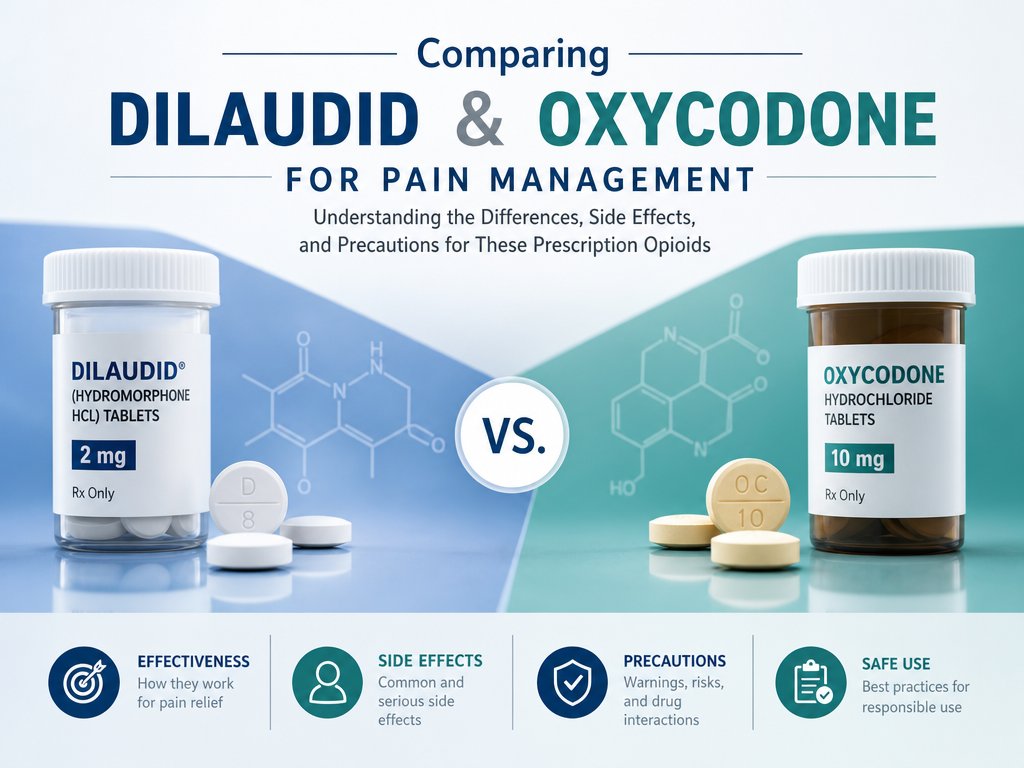
Dilaudid and oxycodone are two powerful opioid medications primarily used to manage severe pain situations. Although they vary in terms of potency and specific applications, both belong to the opioid class and share similar side effects. The key role of these opioids is to diminish the intensity of pain signals sent to the brain, consequently affecting how individuals perceive and react to pain sensations.
Drug Composition and Prescriptions
Dilaudid is the brand name for hydromorphone hydrochloride, whereas oxycodone is often available under various brand names, including Percocet. These medications are typically prescribed in cases where less potent pain interventions have proven ineffective. According to the World Health Organization’s guidelines, both are categorized as potent opioids, though it is generally accepted that hydromorphone is more potent compared to oxycodone.
Medications containing oxycodone, like Percocet, are sometimes perceived as weaker opioids relative to hydromorphone. The specific dosage for each drug is contingent upon several factors, including the severity of the patient’s pain, the individual’s tolerance to the drug, and the particular drug form being prescribed.
Dosing Details
Dilaudid is offered in multiple forms, such as:
– Oral solutions and tablets, with concentrations of 5 mg/mL in solution and ranging from 2-8 mg in tablet form
– Rectal suppositories
– Extended-release (ER) tablets and capsules designed for prolonged effect
Oxycodone is available in:
– Immediate-release (IR) tablets and capsules for quick pain alleviation
– ER tablets and capsules tailored for sustained pain control
The administration of both medications requires adherence to specific instructions tailored to individual pain management needs and physician guidance.
Risks and Warnings
Medications like Dilaudid and oxycodone come with significant risks, including a high potential for abuse and addiction, black box warnings, and potentially life-threatening side effects. While hydromorphone may cause severe adverse reactions, oxycodone carries risks such as breathing complications, particularly at the start of treatment.
Drug Interactions
Combining oxycodone with substances such as alcohol and certain medications can lead to very hazardous outcomes. Both medications may impair the ability to drive or operate heavy machinery and can notably affect judgment, necessitating caution during use.
Side Effects
Common side effects encompass nausea, dizziness, and drowsiness, while more severe reactions necessitate immediate medical assistance. Long-term use can lead to dependence, underscoring the critical nature of seeking medical advice when discontinuing medication to avert withdrawal symptoms.
Additional Precautions
An overdose of these drugs, particularly hydromorphone, can be life-threatening. This risk is especially pronounced in children, who are particularly vulnerable to the detrimental effects of these substances. Therefore, it is essential to adhere strictly to prescribed dosages and proper storage practices to prevent accidental ingestion.
Other Considerations
Both Dilaudid and oxycodone have specific disposal guidelines to prevent misuse. Proper disposal methods, such as medication take-back programs, can minimize the risk of misuse or accidental exposure to this medication by unintended individuals, including children and pets. Further, for those with a history of substance abuse, caution and a clear dialogue with a healthcare provider are paramount when using these medications.
Additionally, patient education on recognizing the signs of overdose, such as extreme drowsiness, slow or troubled breathing, and lack of response, is crucial. Immediate medical support should be sought if such symptoms occur.
Conclusion
Dilaudid and oxycodone should be used strictly under a healthcare provider’s supervision. Determining the appropriate medication involves a careful evaluation of the individual’s specific pain symptoms and comprehensive medical history, ensuring effective pain management without compromising the patient’s safety. Careful monitoring and adherence to medical advice are key components in mitigating the potential risks associated with these potent pain relievers.