Common Causes of Tingling Lips
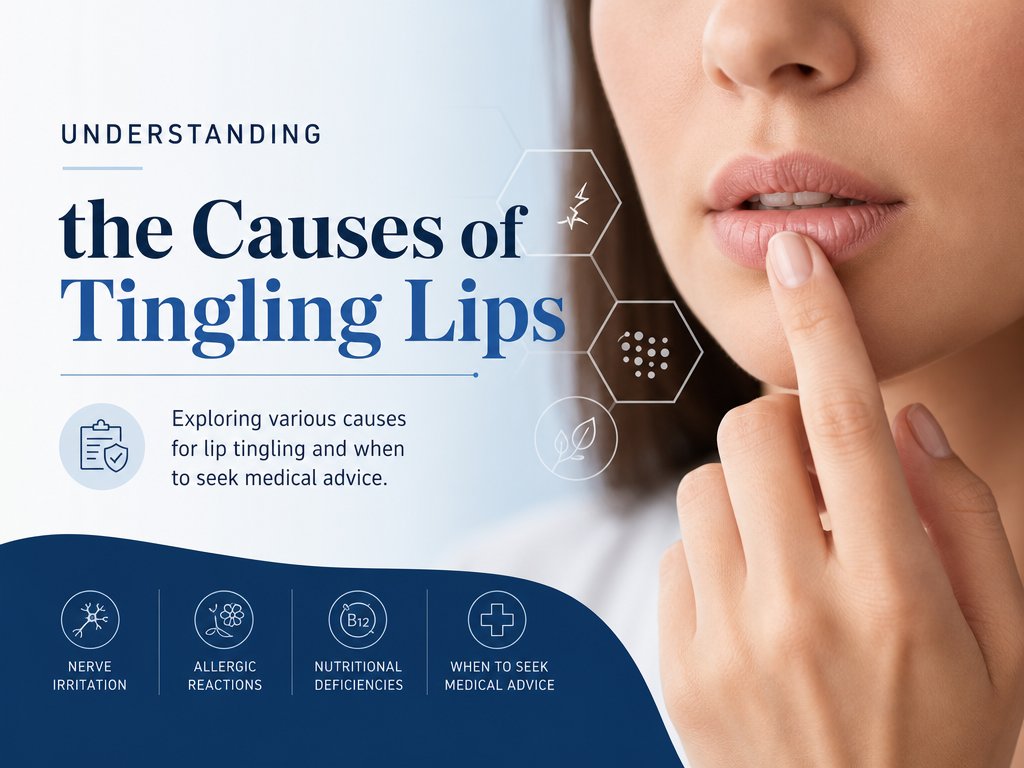
Tingling lips can often cause concern, but they are usually not harmful. This common sensation can result from various factors, including anxiety or exposure to extreme temperatures. While often benign, sometimes tingling lips may indicate a more serious underlying health issue, which necessitates a bit of awareness regarding its diverse causes.
Raynaud’s Syndrome
Raynaud’s syndrome features two distinct types: primary and secondary. Primary Raynaud’s is more common, typically causing tingling sensations due to stress or exposure to cold temperatures. It primarily affects the fingers and toes but can also impact the lips. Secondary Raynaud’s is less common and linked to underlying health conditions, potentially causing more severe symptoms, such as reduced blood flow that may eventually lead to blue-tinted extremities or even tissue damage in the most severe cases.
Recognizing Stroke Symptoms
While tingling lips are often benign, they can indicate a stroke or transient ischemic attack (TIA). Strokes and TIAs occur as a result of interrupted blood flow to the brain. Recognizing symptoms such as sudden numbness or tingling, especially if limited to one side of the body, confusion, difficulty speaking, or sudden severe headache, is crucial. Immediate medical attention is vital if a stroke is suspected, as early intervention can significantly affect outcomes. This underlines the importance of being vigilant and understanding the gravity of these symptoms.
Allergic Reactions
Allergic reactions, whether from foods, medications, or even cosmetics, can cause lip tingling. While minor allergic reactions are not generally concerning, severe allergic reactions, such as those leading to anaphylaxis, require immediate medical intervention. Symptoms of anaphylaxis include difficulty breathing, swelling, rapid heartbeat, and dizziness, which need urgent care. Furthermore, identifying specific allergens and taking preventive measures is critical for those with a history of severe reactions.
Food and Nutritional Deficiencies
Tingling may also arise from food poisoning or nutritional deficiencies. For instance, consuming fish containing ciguatera toxin can result in symptoms like tingling lips. Such conditions highlight the importance of proper dietary intake and awareness of potential foodborne contaminants. Nutritional deficiencies, particularly of essential vitamins and minerals like Vitamin B12, can also lead to nerve issues, revealing the necessity for a balanced diet. Regular monitoring and adjustments to one’s dietary habits can prevent such nutritional shortfalls.
Other Medical Factors
Several other medical factors can cause tingling lips. Cold sores, for instance, may present with a tingling sensation before blisters form as they are caused by the herpes simplex virus. Additionally, conditions such as hypoglycemia and hyperventilation can cause lip tingling due to altered blood chemistry. Nervous system disorders like shingles and autoimmune diseases, such as multiple sclerosis (MS) or lupus, may further contribute to this symptom. Understanding these associations helps in managing and addressing the underlying causes accordingly, allowing individuals to better navigate potential health challenges.
When to See a Doctor
While tingling lips typically resolve quickly on their own, it’s important to seek medical attention if symptoms persist or are accompanied by other concerning signs, such as severe headaches, persistent pain, or significant health changes. Prolonged tingling that is recurrent or associated with other neurological signs should be assessed by a healthcare professional. Early intervention and diagnosis contribute to better health outcomes, allowing for appropriate treatment and management of any underlying conditions that may be present. Taking proactive steps and maintaining regular health check-ups can significantly reassure those with ongoing symptoms. Additionally, keeping a detailed record of occurrences and associated symptoms can provide valuable information to healthcare providers, streamlining the diagnostic process and ensuring a more targeted therapeutic approach.