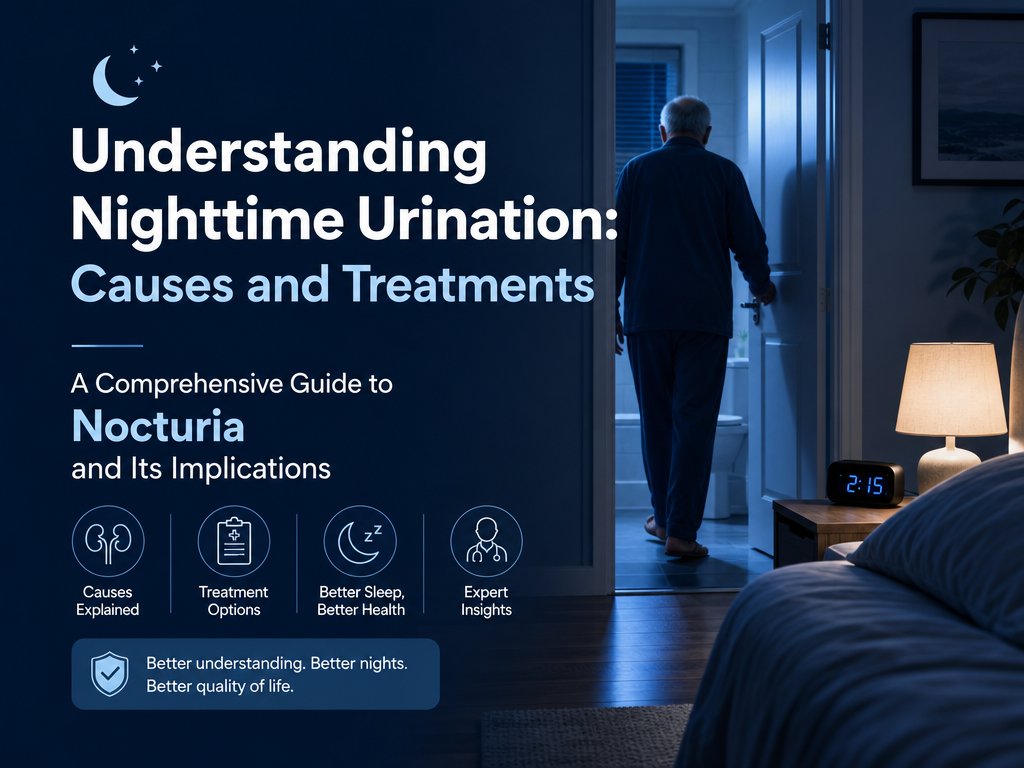
Introduction to Nocturia
Nocturia, often referred to as nighttime urination, is a condition marked by frequent awakenings during normal sleeping hours in order to urinate. It is one of the most common complaints associated with sleep disturbances, especially prevalent among individuals over the age of 60. This condition can greatly disrupt an otherwise peaceful sleep, leading to daytime drowsiness and affecting overall quality of life. The need to awaken multiple times at night to urinate can significantly impair a person’s ability to achieve restful sleep, which can then translate into reduced alertness and productivity during waking hours. Over time, untreated nocturia can also increase the risk of falls, especially in older adults who may have difficulty navigating their environment in low light conditions.
Causes of Nocturia
Age-related Factors
As individuals grow older, their bodies tend to produce a smaller quantity of antidiuretic hormone, resulting in increased urine production during the night. Aging also frequently contributes to a decline in muscle strength in the bladder, making it more challenging to effectively retain urine overnight. Additionally, older adults are more susceptible to developing other conditions, such as prostate enlargement in men or pelvic organ prolapse in women, both of which can further exacerbate nocturia by placing increased pressure on the bladder.
Other Contributing Factors
The causes of nocturia can also include urinary tract infections, high fluid consumption shortly before bedtime, and bladder infections. Certain medications, especially those prescribed to encourage urination (diuretics), can likewise influence nocturia. Furthermore, processes associated with pregnancy and childbirth can lead to weakened bladder and pelvic muscles in women, contributing to more frequent urination. In some cases, lifestyle habits such as the consumption of caffeine or alcohol close to bedtime may also play a significant role in the frequency of nighttime urination, as these substances have diuretic effects and can increase urine production.
Underlying Medical Conditions
Nocturia might also indicate the presence of more serious health issues. This includes chronic kidney failure, various heart conditions, diabetes, and sleep disorders such as sleep apnea, insomnia, and restless legs syndrome, all of which can influence nighttime urination habits. For individuals with sleep apnea, frequent awakenings might be exacerbated by disordered breathing patterns, potentially making the symptom of nocturia more pronounced. Similarly, diabetes can cause an increase in blood sugar levels, leading to heightened urine production as the body attempts to eliminate excess glucose.
Symptoms and Implications
For those experiencing nocturia, symptoms typically include frequent awakenings to urinate and a strong, persistent urge to urinate, often producing a relatively small amount of urine output. This can lead to significant disruptions in sleep, causing individuals to feel fatigued during the day. In severe cases, a person may wake up as many as five or more times per night, severely affecting their restfulness and overall health. Additionally, chronic sleep deprivation caused by nocturia may impact cognitive functions, mood stability, and even increase susceptibility to inflammation and immune system impairments. Ensuring an accurate diagnosis can prevent these adverse effects from persisting long term.
Diagnosis of Nighttime Urination
Healthcare professionals diagnose nocturia through an assessment of symptoms and a thorough physical examination. Important diagnostic inquiries consist of questions regarding how often urination is occurring at night, typical fluid intake habits, and details of any current medications being used. The collection of a detailed medical history provides critical insights, particularly if the nocturia appears to coincide with other recent health changes or the introduction of new medications.
Diagnostic Tests
Diagnostic tests, such as urinalysis and urine culture, can be conducted to detect any underlying causes. An ultrasound may provide further insights. Additionally, tests for blood sugar levels and kidney function may be employed to ascertain if medical conditions such as diabetes or kidney disease are playing a role in the symptomatology. In some cases, a sleep study may be recommended for those suspected of having sleep disorders like sleep apnea, to better understand their impact on urination patterns during the night.
Treatment Options
Behavioral Adjustments
Certain lifestyle changes can be effective in managing nocturia. These can include limiting fluid intake during the evening, elevating legs during the daytime, and utilizing compression stockings to reduce fluid retention. Implementing an afternoon nap can also help alleviate fatigue resulting from sleep disturbances. Practical steps, such as ensuring easy access to bathroom facilities and maintaining dim lighting to safely navigate during nocturnal bathroom visits, can further enhance management strategies.
Medications
Medicinal treatments often involve the use of anticholinergics, which may reduce bladder spasms and the frequency of urination. However, while medications can be beneficial in relieving symptoms, it is often necessary to continue addressing the underlying condition to achieve comprehensive symptom management. In instances where medications are prescribed, it may be necessary to monitor for side effects and to make adjustments as required to optimize therapeutic outcomes.
Diuretics and Hormone Treatments
Adjusting the timing of diuretic medication adoption to earlier in the day or the use of synthetic antidiuretic hormones may be effective in minimizing nighttime bladder activity. By doing so, nocturia symptoms can be controlled more effectively. It is crucial for patients to have candid discussions with healthcare providers about all medication use to prevent inadvertent exacerbation of symptoms.
Consulting healthcare professionals plays a crucial role in effectively managing nocturia. Each treatment plan should be carefully tailored to address the unique needs and overall health status of the individual. Patients are encouraged to openly discuss their symptoms and work collaboratively with their healthcare providers. Doing so ensures the formulation of an effective treatment strategy aimed at improving sleep quality and, by extension, their overall well-being and health. Personalized attention to both immediate and long-term management goals can significantly enhance living standards for those affected by this condition.