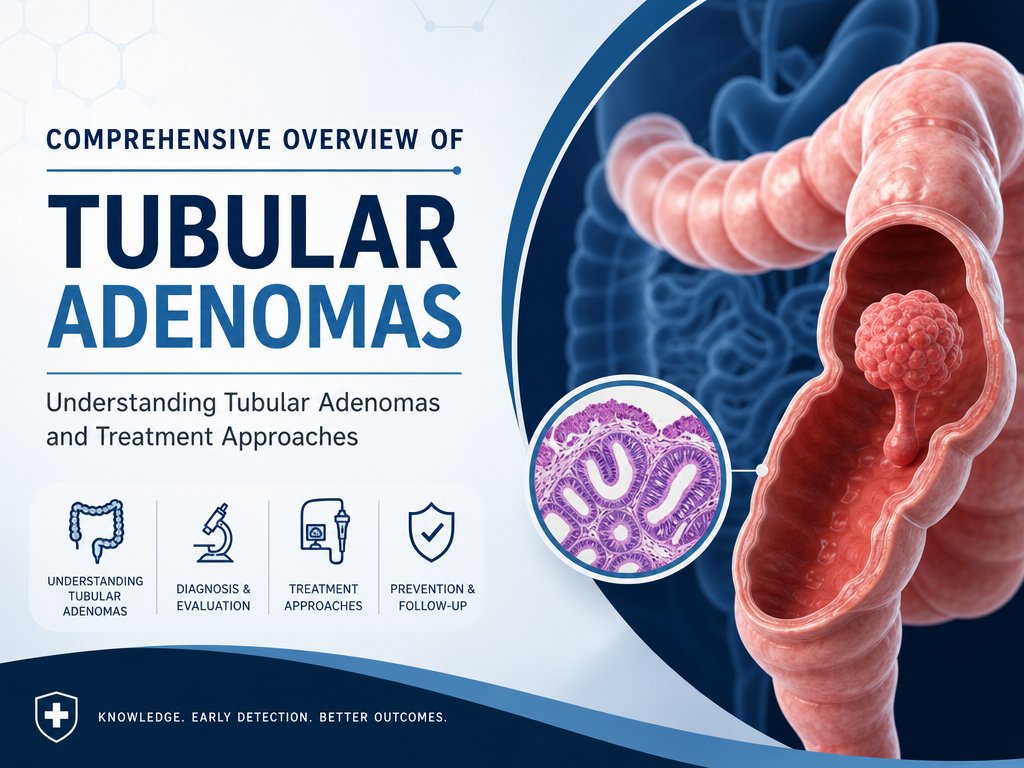
Introduction to Tubular Adenomas
Tubular adenomas are small, noncancerous growths that occur as polyps within the colon. While typically benign, these adenomas have the potential to become cancerous over time, which is why doctors make it a priority to remove them during a colonoscopy. An adenoma is a specific type of polyp, characterized as a cluster of cells that proliferate on the lining of various internal organs, including the colon.
Characteristics and Prevalence
Under a microscopic examination, adenomas exhibit subtle yet distinct differences from healthy tissue. These polyps can assume several shapes and generally grow at a slow and gradual pace. The tubular adenoma is the most common type of adenoma found in the colon and poses a risk of becoming cancerous if it remains untreated. If this malignant transformation occurs, it can develop significantly into an adenocarcinoma. Statistical data reveal that only about 5% of adenomas undergo a transformation into cancer; however, a significant 95% of colorectal cancers originate from these adenomas. This highlights the importance of identifying and monitoring these polyps carefully to prevent the development of cancer.
Diagnosis and Treatment
Detection of tubular adenomas most often occurs through routine colonoscopy procedures because adenomas rarely cause symptoms. If symptoms do appear, they typically become apparent during such medical examinations. It is standard medical practice to remove adenomas during colonoscopies because of their potential to become cancerous. The removal techniques usually involve using a wire loop or a heat-delivery device to eradicate smaller polyps effectively. Larger adenomas may require surgical intervention for thorough removal, ensuring no residual risk factors are left behind.
After removal, a biopsy involves sending a sample to a laboratory where pathologists analyze it to determine the adenoma type and its potential to become cancerous. A detailed pathology report subsequently informs healthcare providers about the specific characteristics of the specimen. Low-grade dysplasia in the tissue sample indicates minimal resemblance to cancer, whereas high-grade dysplasia suggests a greater similarity to cancer, necessitating more intensive surveillance.
Follow-up and Recurrence
Regular follow-up testing is vital after an adenoma diagnosis to monitor for recurrence and to prevent further complications effectively. Monitoring typically involves periodic colonoscopies, with the time intervals between them dictated by factors like adenoma size, number, and dysplasia grade. The risk of recurrence is notably higher in adenomas that exhibit high-grade dysplasia. Moreover, a history of adenomas significantly increases the overall risk for colorectal cancer over time, highlighting the necessity of consistent monitoring and intervention where needed.
Conclusion
Tubular adenomas necessitate consistent medical oversight to promptly identify any new growths or changes in existing polyps. Despite these adenomas having a comparatively lower likelihood of becoming cancerous than some other types, it is crucial to remain vigilant. Patients are strongly encouraged to follow the surveillance schedules recommended by their doctors to mitigate risk and ensure early detection of any potential transformation into more severe conditions. In rare cases, these adenomas may serve as early indicators of colorectal cancer, underlining the importance of proactive management and monitoring for patient safety and peace of mind. Regular check-ups and adherence to medical advice play a key role in maintaining health and preventing complications associated with tubular adenomas.