The Connection Between Stress and Sodium Levels
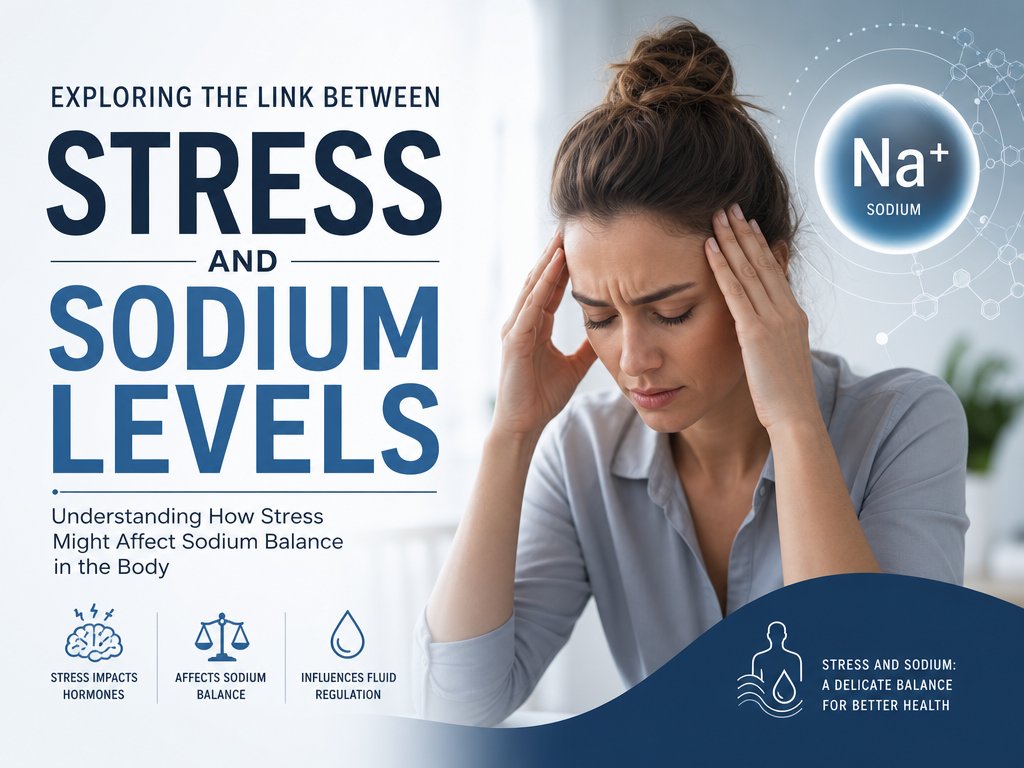
Stress can have various effects on sodium levels, which are crucial for maintaining normal blood pressure, fluid levels, and proper muscle and nerve function. The body regulates sodium through a complex system that involves releasing it through urine and managing water release. Notably, short-term stress might increase sodium excretion in urine, while long-term stress could lead to sodium retention due to increased production of stress hormones like cortisol, which can impact electrolyte balance. Accurate understanding of these mechanisms is crucial because maintaining a proper balance of sodium is essential for optimal bodily functions and overall health.
Individual Variations in Sodium Response
Different bodies react distinctively to stress, with some individuals retaining sodium while others excrete more. Stress can also affect other bodily functions, sometimes leading to headaches, muscle tension, and changes in heart rate and blood pressure. Severe stress may even trigger breathing issues like asthma or panic attacks, illustrating the profound impact stress can have on one’s physiological state. Such physiological responses to stress are often unpredictable, leading to varying outcomes depending on individual health conditions, lifestyle, and genetic factors. Understanding these personal variations can help in managing stress more effectively and reducing its negative impact on sodium levels and overall health.
Causes of Low Sodium Levels and Hyponatremia
Although low sodium levels are generally rare in the U.S., especially due to typical dietary habits, they can occur under specific circumstances. When sodium in the blood drops below 135 mEq/L, it leads to hyponatremia, marked by symptoms ranging from mild headaches and nausea to severe outcomes like seizures and confusion, underscoring the need for prompt diagnosis and intervention. Recognizing the symptoms early can prevent more serious health issues, as prolonged or severe hyponatremia can have significant impacts on brain function due to the swelling of brain cells, emphasizing the importance of awareness and early detection.
Factors Influencing Sodium Levels
Several factors can influence sodium levels in the body. Dehydration from vomiting or diarrhea can reduce sodium, while excessive water intake during such conditions may dilute sodium concentrations in the bloodstream. Certain chronic illnesses, such as kidney disorders, heart failure, and liver cirrhosis, can lead to fluid retention, thereby diluting sodium. Lifestyle factors, dietary choices, and even genetic predispositions can also influence how one’s body manages sodium. By understanding these influences, individuals can proactively manage their health to avoid sodium imbalances. It is important to maintain a balanced intake of sodium and pay attention to any symptoms indicating imbalance, particularly in individuals with underlying medical conditions or those taking medications that affect sodium levels.
Medical Conditions and Medications Affecting Sodium
Kidney disease, heart conditions, and liver issues are significant contributors to low sodium levels, often requiring careful medical management. Medications, including diuretics, antidepressants, and some pain medications, can also impact how sodium is regulated within the body, sometimes leading to unintended imbalances. Moreover, conditions like the syndrome of inappropriate antidiuretic hormone secretion (SIADH) cause an increase in anti-diuretic hormone, leading to fluid buildup, which further dilutes sodium levels in the bloodstream. Patients with these conditions must frequently undergo sodium level monitoring to ensure that any fluctuations are promptly addressed.
Managing Low Sodium Levels
Treatment for low sodium levels, or hyponatremia, depends on the underlying cause and severity of the condition. For some individuals, adjustments in fluid intake or medication might be necessary, while more severe cases require interventions such as intravenous sodium replacement to quickly restore balance. It is crucial to always consult with healthcare professionals for an accurate diagnosis and tailored treatment plan, ensuring safe and effective management of sodium levels. A combination of dietary adjustments, medication management, and regular health check-ups often plays a crucial role in mitigating risks associated with sodium imbalances. Knowing when to seek medical guidance and making necessary lifestyle modifications can greatly influence the successful management of sodium-related health issues.
Monitoring Sodium Levels and Your Health
Understanding personal health and seeking medical advice when experiencing symptoms like persistent headaches, nausea, or confusion is vital. These symptoms can be indicative of various underlying conditions, including imbalances in sodium levels, and early intervention can prevent complications. It’s important to consult a healthcare provider for personalized advice, especially if one is on medication or experiencing unusual health changes, emphasizing the importance of regular health monitoring. Regular testing and medical consultations can aid in achieving optimal sodium balance, contributing to overall well-being and reducing the risk of associated complications. Moreover, being informed about the potential causes and symptoms of sodium imbalances empowers individuals to take a proactive role in their health management.
Author Lauren Sharkey, a U.K.-based journalist, specializes in women’s issues and health topics. She is dedicated to improving health literacy through her writing and advocacy work, aiming to empower people with knowledge about their health and wellbeing. In addition to her work on sodium imbalance, she covers a range of topics that affect individuals’ overall health, providing insights and guidance that are both practical and informative. Her comprehensive reporting focuses on delivering accurate and easily understandable information, helping readers to take proactive steps in managing their health. Her work strives to bridge the gap between medical information and the general public, ensuring that individuals are equipped with the tools and understanding necessary to make informed healthcare decisions.