The Connection Between Anorexia and Bone Health Complications
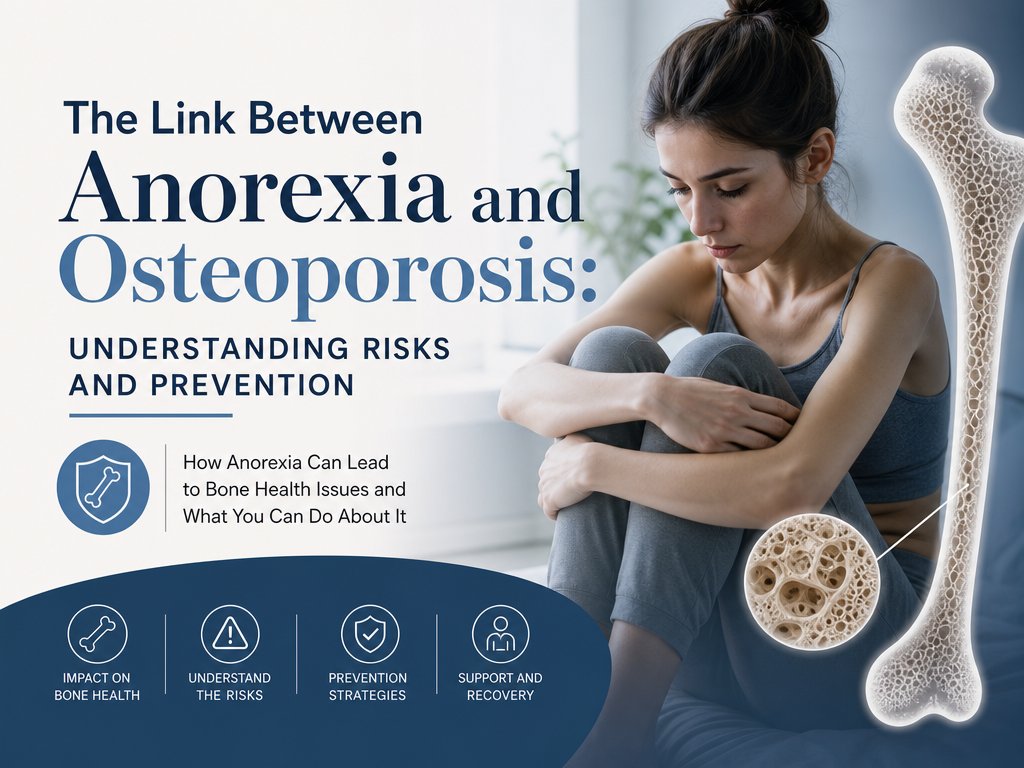
Living with an eating disorder such as anorexia nervosa significantly increases the risk of bone conditions, including osteoporosis and osteopenia. This risk is primarily due to insufficient nutrient intake necessary for optimal bodily functions, a common issue among people with anorexia. The body’s resultant inability to absorb essential nutrients like calcium and vitamin D, vital for bone health, translates into these bone-related complications.
Understanding Osteoporosis and Osteopenia
Osteoporosis, a condition that weakens bones, heightens the likelihood of fractures. It’s marked by reduced bone density and strength, affecting millions of individuals worldwide. In contrast, osteopenia is a precursor condition, characterized by lower-than-anticipated bone density. If left unaddressed, osteopenia can gradually progress to full-blown osteoporosis.
Anorexia’s Impact on Bone Density
Research indicates that between 20% to 30% of those with anorexia develop osteoporosis, while an alarming 50% to 90% develop osteopenia. The onset of these bone conditions typically occurs during adolescence or early adulthood—a critical period for bone development. Failure to adequately develop peak bone mass during this pivotal stage poses future risks for severe osteoporosis. Anorexia severely disrupts this developmental process, leading to long-term health ramifications.
Factors Contributing to Osteoporosis
Apart from nutritional deficiencies related to eating disorders, natural aging processes also amplify osteoporosis risk by accelerating bone degeneration. For women, menopause is a significant risk factor because reduced estrogen levels during this phase disrupt bone regeneration balance. Moreover, smoking, excessive alcohol consumption, and certain lifestyle factors such as lack of adequate physical activity, substantially contribute to impaired bone health.
Prevention and Management
While genetic or age-related factors may be uncontrollable, adopting healthier habits can mitigate the risk of osteoporosis. Quitting smoking and maintaining a nutrient-rich diet are vital steps towards reinforcing bone integrity. Recovery from anorexia, coupled with lifestyle adjustments like engaging in regular, appropriate exercises, can potentially halt further bone deterioration and enhance overall health outcomes.
Steps Toward Recovery and Prevention
It’s crucial for those dealing with anorexia to adopt harm-reduction strategies to address both mental and physical health challenges. Disclosing an eating disorder to healthcare providers is vital as it can lead to personalized recommendations for protecting bone health. Access to healthcare and psychological services plays a crucial role in the prevention and recovery process, providing a comprehensive approach to overcoming the disorder.
Recognizing the Signs of Osteoporosis
Being familiar with osteoporosis symptoms can prompt timely medical screenings. Such screenings include bone density tests meant to detect early-stage bone weakening, allowing preventive interventions. Early detection through regular medical examinations is essential in managing and preventing further deterioration, providing an opportunity for early intervention strategies which could slow the progression of bone loss.
Reversibility and Recovery Outcomes
Although osteoporosis is generally considered irreversible, case studies demonstrate significant improvement with targeted medications, supplements, and lifestyle changes. For those recovering from anorexia, addressing nutritional deficiencies could mitigate further bone damage, slowing osteoporosis progression. Recovery outcomes improve with heightened awareness and proactive healthcare strategies focusing on both mental and physical health support. Moreover, individuals can benefit from multidisciplinary care teams that include nutritionists, mental health professionals, and medical doctors working together to craft a comprehensive recovery plan tailored to individual needs. Emphasizing holistic support ensures not only the strengthening of bones but also the overall well-being of individuals striving for recovery, providing a sense of empowerment and hope as they navigate the path to enhanced health and wellness.