Introduction to Lorenzo’s Oil
Lorenzo’s Oil gained considerable attention from the public through the 1992 film “Lorenzo’s Oil,” which portrayed the true story of Lorenzo Odone, a young boy diagnosed with adrenoleukodystrophy (ALD). This rare and devastating genetic condition caused severe neurological symptoms, compelling his parents to seek out a remedy in the absence of effective treatments available at the time. Their relentless pursuit led to the discovery and development of what became known as Lorenzo’s Oil, a mixture believed to address some of the metabolic issues underlying ALD.
Understanding Lorenzo’s Oil
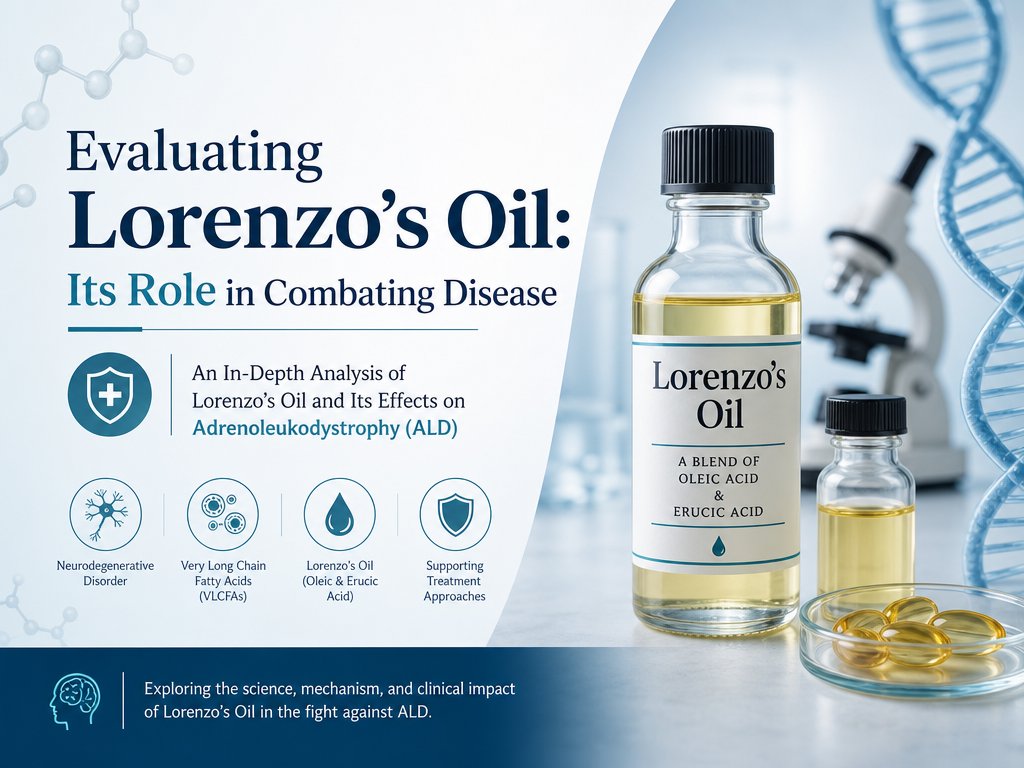
Lorenzo’s Oil is a specifically formulated 4:1 mixture of glyceryl trioleate and glyceryl trierucate. Glyceryl trioleate, also known as triolein, is derived from oleic acid, which is commonly found in olive oil and other natural sources such as meat and avocados. On the other hand, glyceryl trierucate is derived from erucic acid, found in rapeseed oil and certain fish including salmon. This unique blend was believed to potentially alter the disease’s progression by addressing specific metabolic needs and potentially reducing the levels of harmful fatty acids in affected individuals.
Function and Mechanism
The primary function of Lorenzo’s Oil is based on the hypothesis that it inhibits certain enzymes responsible for producing very-long-chain fatty acids (VLCFAs). These fatty acids are known to accumulate in individuals with ALD, leading to serious health effects and neurological deterioration. By normalizing VLCFA levels, Lorenzo’s Oil may thus help combat the progression of ALD, slowing down the onset of symptoms or limiting their severity. This mechanism, while not completely understood, suggests a potential for therapeutic impact, especially when initiated in early stages of the disease.
Historical Context and Research
Lorenzo’s Oil was introduced as a potential treatment for ALD in 1989. Initial clinical studies showed that it could significantly lower VLCFA levels in patients, offering hope especially for those who had not yet started exhibiting symptoms. Although these early findings were promising, subsequent research has been mixed regarding its efficacy in improving outcomes for individuals who already present symptoms. Nonetheless, the potential benefits sparked widespread interest and further research in the scientific community, opening up discussions about innovative treatment strategies for rare genetic disorders.
Wider Implications and Potential
Some researchers believe that the antioxidative properties of erucic acid, one of the key components of Lorenzo’s Oil, could make it a candidate for treating other neurodegenerative diseases. However, as of now, no conclusive studies have substantiated these claims, and more rigorous research is necessary to determine any extended benefits beyond ALD. The prospect of extending its application to a broader range of neurological conditions remains a tantalizing possibility that prompts ongoing scientific inquiry.
Benefits and Limitations
Lorenzo’s Oil appears to provide some benefits for those in the early stages of ALD. Early intervention with the oil could potentially delay the onset of symptoms for patients who have not yet developed the neurological manifestations of ALD. Despite these benefits, the oil is not confirmed to improve symptoms for patients with advanced stages of the disease. It has generally been well-tolerated by patients, though some experience a reduction in platelet count, warranting careful monitoring. Furthermore, its efficacy varies, and researchers urge caution in interpreting results solely based on anecdotal success.
Dosage and Administration
The typical recommended dosage of Lorenzo’s Oil is calculated based on body weight, typically ranging from 0.9 to 1.4 mL per pound. This accounts for about 20% of an individual’s daily caloric intake. Since managing fat intake is crucial for patients taking Lorenzo’s Oil, it is advised that they work closely with healthcare providers to monitor and adjust their treatment plan as necessary. Such diligence ensures that the potential benefits of the treatment can be harnessed effectively while minimizing associated risks. Proper administration and dosage are critical to maximizing the oil’s therapeutic impact.
Safety Considerations
While Lorenzo’s Oil is generally regarded as safe, with minimal severe side effects, monitoring remains essential. Regular blood tests are recommended for checking platelet counts since some individuals may experience thrombocytopenia. Additionally, due to its composition, there’s a potential risk of heart and liver concerns, although these have not been definitively linked to the oil. Continuous medical evaluation and personalized care can mitigate these risks and ensure treatment progresses safely. Patients using Lorenzo’s Oil should also be vigilant about any new symptoms or changes in their health status, promptly discussing them with healthcare professionals, to ensure the best possible outcomes are achieved.
Conclusion
Lorenzo’s Oil offers a glimmer of hope for those affected by ALD by potentially delaying the onset of symptoms in patients at the early stages of the condition. However, the understanding of Lorenzo’s Oil’s capabilities and its broader implications remains incomplete. Hence, continued research is paramount to fully explore its therapeutic potential and to refine treatment protocols for those suffering from ALD and potentially other neurodegenerative diseases. The complexities of the condition and the mechanics of the oil itself necessitate further investigation to provide clearer, evidence-based treatment pathways.
Next Steps
For patients and families considering Lorenzo’s Oil as part of their treatment strategy for ALD, it is imperative to consult with healthcare professionals. These consultations will help tailor treatment plans to fit individual patient needs and ensure that therapy is aligned with the latest medical insights and safety guidelines. Involvement in clinical trials or long-term studies may also be encouraged to contribute to a broader understanding of its impact, aiding the development of improved therapeutic strategies and potentially new avenues for managing and understanding ALD. Moreover, collaboration between researchers, clinicians, and patient organizations fosters an integrated approach, ensuring advancements in care and support for those affected by this challenging condition.