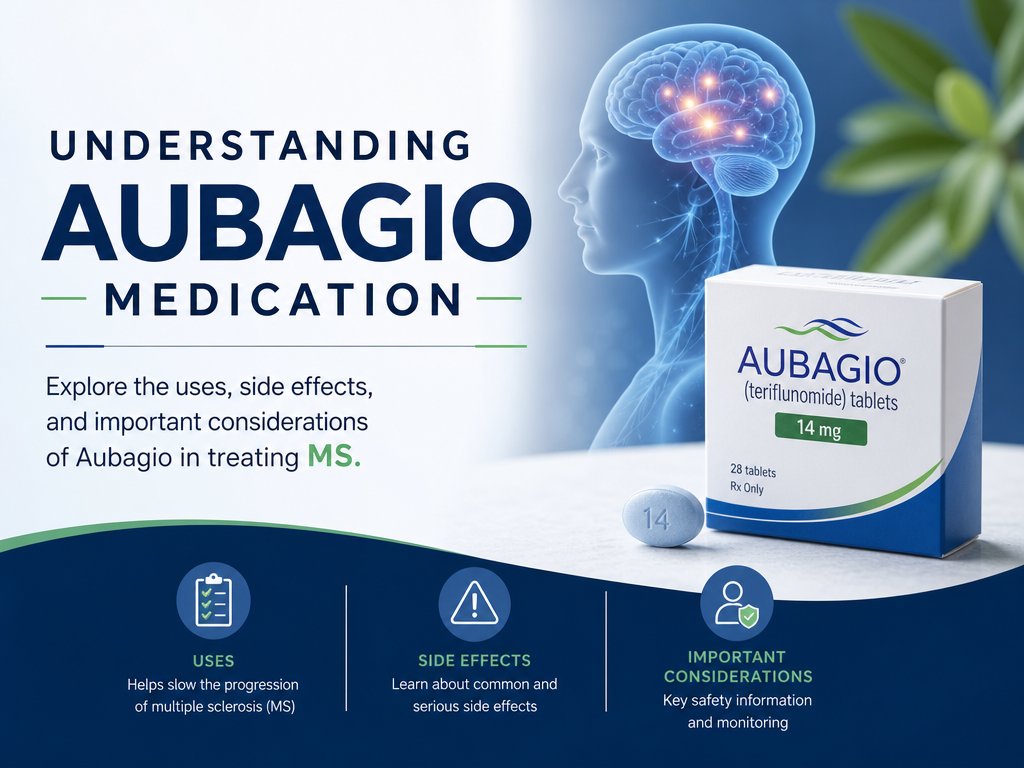
Introduction to Aubagio
If you’re living with multiple sclerosis (MS), your doctor may suggest Aubagio as a treatment option. This prescription medication, known for its active ingredient teriflunomide, is designed to manage MS symptoms effectively. Aubagio works to offer relief and control over MS in the form of an ingestible tablet, allowing it to integrate easily into daily routines for those undergoing treatment. By taking Aubagio orally, patients can avoid some complications associated with injectable treatments, enhancing its appeal for individuals looking for simpler management strategies. This convenience supports adherence to the therapy and can be a significant factor in its continued use by patients managing long-term treatment regimens.
Uses and Benefits
How Does Aubagio Work?
Aubagio belongs to a category of medications called pyrimidine synthesis inhibitors. Although its precise mechanism isn’t completely understood, it is believed to block proteins that lead to immune system attacks on the protective coverings of the spinal cord and brain. This approach helps in reducing the frequency of MS flare-ups and potentially slowing the progression of physical disability. These effects are crucial for maintaining the quality of life in patients, as well-controlled MS can lead to fewer relapses and interruptions in daily functions, enabling individuals to maintain their lifestyles with fewer constraints imposed by their symptoms.
With a half-life of 18-19 days, it takes about 18-19 days for the body to eliminate half of a dose, making it essential to follow dosing guidelines for optimal results. The long half-life also means that the drug maintains a prolonged effect, contributing to its efficacy over time. Consistency in taking the medication as prescribed helps to keep the drug at therapeutic levels, minimizing the risk of relapse. It’s this long-lasting action that makes Aubagio a promising choice for continuous suppression of MS activities and progression. This can lead to improved stability in the patient’s condition, allowing for greater planning and certainty in their daily lives.
Comparison with Other MS Drugs
Aubagio is often compared with other MS treatments such as Ocrevus and Copaxone. While Aubagio and the medication Mayzent are taken orally, others like Avonex and Tysabri are usually administered via injection. This difference in administration can be a significant consideration for patients looking for a straightforward treatment routine. Moreover, oral administration allows patients more flexibility in their daily schedule and can make travel or other activities requiring adherence to a strict medication timeline easier to manage. This ease of administration can significantly impact the overall experience of treatment, minimizing disruptions to daily activities and reducing the overall burden of disease management on the patient’s life.
Additionally, some patients prefer oral medications for their convenience and ease of use, avoiding needles and potential injection site reactions. However, injection therapies may work faster and are used in more aggressive cases. Ultimately, the choice of MS treatment should be personalized, with considerations for efficacy, patient lifestyle, and tolerability of potential side effects. Patients must work closely with healthcare providers to weigh these factors and decide on the best course of action tailored to their personal and medical histories. Understanding these options allows patients and providers to align treatment goals with lifestyle preferences, leading to more satisfactory outcomes and enhanced quality of life.
Potential Side Effects
Common Side Effects
As with most medications, Aubagio can lead to some mild side effects which may include hair thinning and diarrhea. Other minor side effects can include nausea, increases in alanine transferase (a liver enzyme), and headaches. Patients often find these effects manageable through supportive care and lifestyle adjustments. While these effects commonly resolve on their own, persistently bothersome symptoms should prompt a consultation with a healthcare provider. Open conversations with healthcare providers can offer solutions or adjustments to therapy that alleviate discomfort, ensuring continued treatment adherence and improved patient outcomes. Effective communication about side effects encourages an open line of dialogue, which can be instrumental in addressing concerns early and adapting treatment as needed.
Serious Side Effects
Severe reactions are rare but are a possibility. Aubagio carries a boxed warning from the FDA regarding risks such as significant liver damage. Liver function should be monitored before starting the drug and regularly during therapy. Other serious side effects can include hypertension, renal failure, neuropathy, and severe skin reactions. If severe side effects occur, it’s crucial to seek medical assistance immediately. Patients should be aware of signs that might indicate severe side effects, such as significant changes in mood or the emergence of unexplained rashes. Understanding these risks is important for being proactive in monitoring health changes and seeking timely intervention. This vigilance aids in promptly addressing any serious changes that may arise, averting more serious health implications and ensuring patient safety and well-being during treatment.
Guidance on Taking Aubagio
Dosage and Administration
Aubagio comes in varying strengths, typically taken once daily. Consistency in taking it at the same time each day is recommended to maintain stability in drug levels. Patients are instructed to swallow the tablet whole and not to crush or chew it. Maintaining a routine can help integrate medication into daily life more seamlessly, thus enhancing adherence. Missing doses can diminish drug effectiveness, so it’s essential to take the medication as prescribed and to consult a physician if any doses are missed to ensure continued management of MS symptoms. Keeping track of medication schedules and using reminders can significantly support adherence and maximize therapeutic benefits.
Precautions and Interactions
Before starting Aubagio, discussing your full medical history with your healthcare provider is key, especially regarding existing liver issues or potential drug interactions. Alcohol consumption should be moderated due to potential liver complications, as well as the risk of exacerbating side effects. Aubagio can potentially interact with drugs that affect liver enzymes, blood thinners like warfarin, and immunosuppressants. Therefore, a comprehensive list of current medications should be discussed with a healthcare provider to mitigate risks. Furthermore, routine blood tests may be required to monitor liver health and adjust the treatment plan as necessary. Staying informed and vigilant about these factors contributes to a safer and more effective treatment journey. Through close coordination with healthcare teams, patients can ensure the most favorable outcomes while minimizing risks associated with the treatment.
Pregnancy and Breastfeeding Considerations
Aubagio is not recommended during pregnancy, and precautions should be taken to avoid pregnancy for up to two years after discontinuation due to the drug’s prolonged presence in the body. Women of childbearing potential should use effective birth control methods while taking Aubagio and should speak with their healthcare provider about a drug elimination procedure involving activated charcoal or cholestyramine to accelerate drug removal from the body if a pregnancy is desired sooner. Its safety during breastfeeding is uncertain, necessitating thorough discussions with a healthcare professional if planning for a child. Breastfeeding mothers should consider potential risks with their pediatricians and healthcare providers to make informed choices concerning their treatment and child’s health. Involving both specialists ensures that the mother’s MS is managed without compromising the child’s safety and welfare. These considerations help families make informed decisions that align with their health priorities.
Conclusion
For those battling MS, understanding the implications of drugs like Aubagio can be pivotal in managing the condition effectively. From understanding side effects to ensuring proper usage, clear communication and adherence to medical advice remain vital. Proactive discussions with a healthcare provider about the risks, benefits, and lifestyle considerations can enhance treatment outcomes and improve quality of life. With the right information and support, patients can feel empowered in their treatment journey, balancing disease management with daily living.
Always consult healthcare professionals for guidance tailored to your health needs, ensuring decisions are made based on comprehensive medical insight and individual preferences. Such personalized care helps in optimizing treatment plans that align with personal life goals while effectively managing the complexities of multiple sclerosis. Regular follow-ups with healthcare providers foster a collaborative relationship, further ensuring that treatment strategies remain responsive to changing needs and advancements in MS management, ultimately leading to more sustainable health outcomes.