Introduction to Fasted Cardio
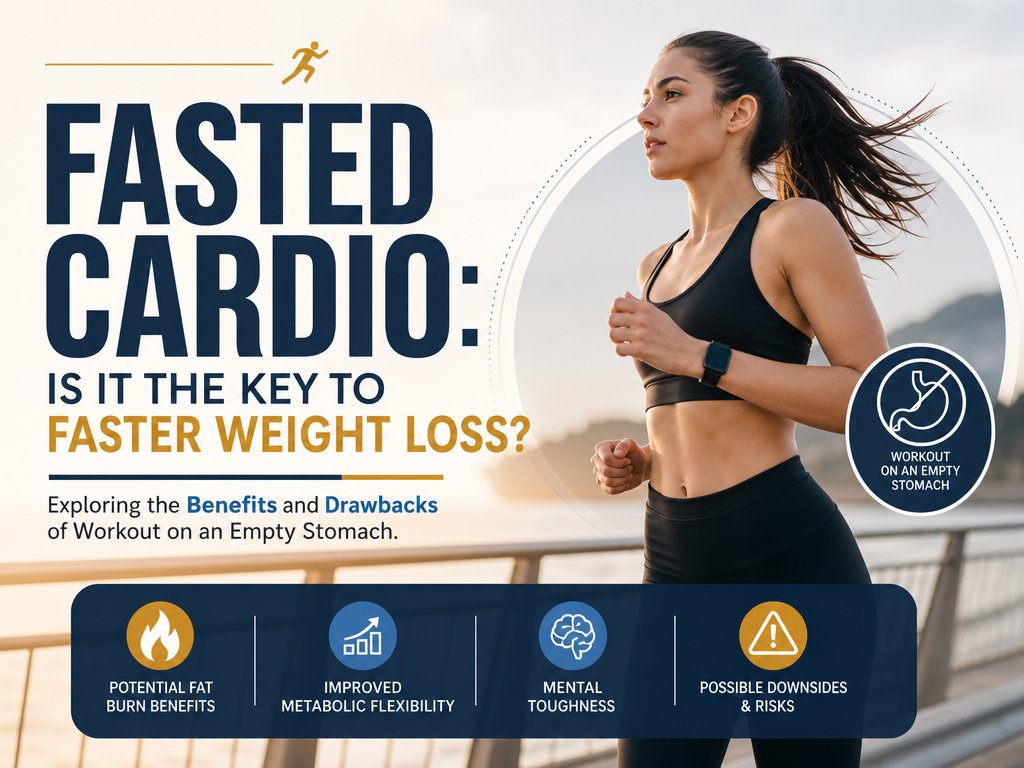
Fasted cardio is a popular fitness trend that involves exercising on an empty stomach, often referred to as working out “fasted.” While some fitness enthusiasts advocate for its supposed ability to quickly and effectively reduce body fat, others caution that it may not significantly impact fat loss when compared to traditional methods. The debate around fasted cardio remains lively, with equally compelling arguments on both sides regarding its influence on weight loss and athletic performance, thus sparking interest and discussion among fitness professionals and amateurs alike.
Understanding Fasted Cardio
The basic concept of fasted cardio involves exercising without having eaten first, typically following an overnight fast. This approach may include activities such as running in the morning before breakfast. By understanding the potential effects and benefits of this practice, individuals can make informed decisions about incorporating it into their fitness routines. The timing of these workouts can play a vital role, as exercising in a fasted state differs physiologically from working out after meals, even potentially altering the body’s hormonal responses that regulate energy usage and storage.
Benefits of Fasted Cardio
Supporters of fasted cardio argue that it can enhance fat burning during workouts as the body relies on stored glycogen and fat instead of recent food intake, promoting greater utilization of fat stores. Emmie Satrazemis, a sports nutritionist, cites some research suggesting a possible 20% increase in fat burning after fasting overnight. This has made fasted cardio an appealing option for individuals aiming to improve their body composition efficiently by subtly increasing their body’s reliance on fat as a primary energy source during exercise.
Preserving Muscle Mass
Despite concerns about potential muscle loss during fasted workouts, research indicates that as long as you maintain adequate protein intake and engage in regular muscle use, muscle mass will be preserved even if your overall calorie intake is reduced. The body prefers using amino acids from ingested proteins over breaking down existing muscle for energy. This suggests that fasted cardio may not be detrimental to muscle tissue if complemented with proper nutrition, as it encourages strategic nutrient timing and maintenance of protein balance in one’s diet.
Potential Downsides
Though fasted cardio can be beneficial, it is not without its drawbacks. Exercising without replenished energy can lead to fatigue, reduced workout intensity, or even muscle breakdown if not managed carefully. Satrazemis notes the importance of post-exercise nutrition to replenish energy stores and repair muscle tissue effectively, emphasizing the role of balanced dietary intake in recovery. Additionally, individuals unaccustomed to fasted workouts might find it challenging, as they may experience decreased energy levels and motivation, leading to suboptimal performance during exercise sessions.
When to Avoid Fasted Cardio
Fasted cardio might not be suitable for everyone, particularly those engaging in high-power or speed-intensive workouts, like sprints, where glucose is the preferred energy source for optimal performance. Personal trainer David Chesworth advises individuals to eat before such exercises to sustain the necessary energy levels, ensuring peak performance and minimizing the risk of underperformance or injury. Eating a small, easily digestible carbohydrate-rich meal or snack before these kinds of workouts can provide the required energy boost and support overall performance.
Health Considerations
Executing cardio in a fasted state requires excellent health and thorough awareness of personal conditions like low blood pressure or sugar levels, which could increase injury risk. Caution is advised for individuals with medical conditions, and they should consult healthcare professionals prior to experimenting with fasted cardio to ensure it aligns with their health needs. Monitoring one’s body’s signals and responses during these workouts is essential to avoiding negative health impacts and ensuring a safe fitness experience that aligns with one’s unique physical condition.
Conclusion: A Matter of Personal Preference
Fasted cardio ultimately boils down to individual preference and how one’s body reacts to exercising on an empty stomach. Some might find it energizing and beneficial for metabolic efficiency, while others might feel sluggish and less effective. Therefore, consulting with fitness professionals or healthcare providers can be an essential step in deciding if fasted cardio is appropriate, helping tailor personal fitness plans accordingly. Considering one’s lifestyle, health effects, and personal goals will assist in crafting an effective exercise regime that one can consistently follow.
Expert Opinion
Author Sara Lindberg emphasizes the importance of understanding the mind-body connection in fitness, reflecting on how mental and physical health interplay in achieving optimal well-being. This insight highlights the need to consider both physical responses and mental readiness when exploring different workout strategies, including fasted cardio. It underscores the significance of a well-rounded approach to fitness that accommodates personal preferences and physiological unique aspects. Such a comprehensive perspective allows individuals to incorporate strategies that resonate well with their lifestyle, aspirations, and health goals, ensuring sustainability and satisfaction in their fitness journeys.