Introduction to the iPLEDGE Program
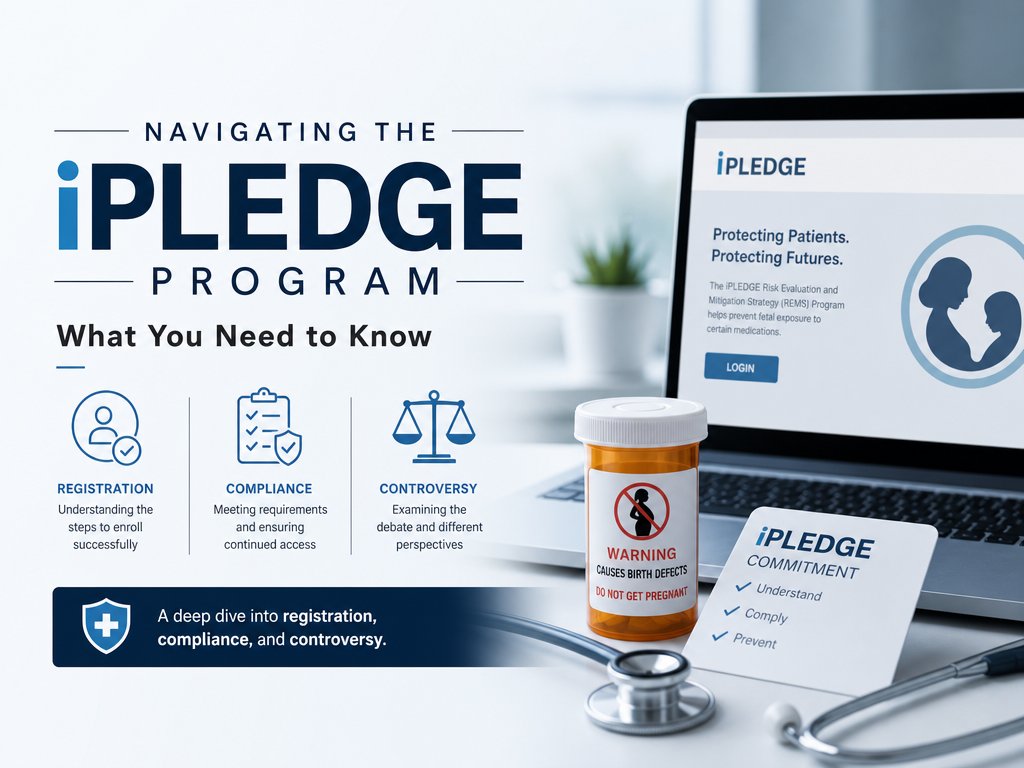
The iPLEDGE program is a pivotal element of the risk evaluation and mitigation strategy (REMS) required by the Food and Drug Administration (FDA) to carefully manage the benefits and potential risks involved with specific medications. This program is especially crucial for isotretinoin, a potent drug used for acne treatment. Its primary goal is to ensure adherence to established protocols designed to prevent pregnancies during the medication’s use due to the significant risk of birth defects. By enrolling in iPLEDGE, healthcare providers and patients collectively focus on minimizing these risks and prioritizing safe treatment practices.
Participation Requirements
All individuals prescribed isotretinoin must be registered with the iPLEDGE program, with specific emphasis on those capable of becoming pregnant. This group is required to adhere to strict birth control measures and comply with an array of precautionary steps, underscoring the preventive mission of the program. Despite a negative pregnancy test, participants are mandated to commit to using two forms of birth control, most commonly comprising barrier methods and another form approved by their healthcare provider. This requirement ensures additional layers of prevention against unintended pregnancies.
Registration and Compliance
The registration process involves signing necessary documents and engaging in comprehensive discussions with healthcare providers about potential risks. This is accompanied by an initial pregnancy test and continuous testing throughout the treatment period to prevent any possibility of unplanned pregnancies. Pharmacists are integrated into the iPLEDGE system, as they facilitate monthly prescription refills which are contingent upon successful completion of targeted questions and verified ongoing birth control use. The coordinated effort among various healthcare actors is designed to reinforce safety.
Male participants and individuals who cannot become pregnant experience a more streamlined process, primarily focusing on periodic appointments to monitor treatment outcomes. It is essential for these individuals to collect prescription refills within 30 days following their consultations to maintain continuity in their isotretinoin regimen. This schedule helps uphold treatment efficacy while minimizing disruptions.
Challenges and Criticisms
The stringent compliance requirements of iPLEDGE have led to substantial critique, partly due to privacy concerns and perceived excessive reach, particularly for individuals who are unlikely to become pregnant. The program’s insistence on birth control usage extends even to abstinent and prepubescent females, stirring ethical debates and controversies. Critics argue that the program, while well-intentioned, may not accurately reflect the risk levels for all participants and sometimes imposes undue burdens.
Additionally, the transgender community encounters distinct challenges; individuals on testosterone therapy who suffer from severe acne are obligated to follow the birth control requirements, which can pose an additional emotional strain. This puts the spotlight on the program’s inflexibility in accommodating diverse patient needs. Some have advocated for a more personalized approach that considers individual patient circumstances beyond the standard framework.
Moreover, concerns have been raised about the privacy of personal medical information due to frequent pregnancy tests and data collection. Despite these challenges, the occurrence of approximately 150 pregnancies each year is often attributed to inadequate application of birth control measures. Experts suggest that patients consider more reliable, long-term contraceptive options such as intrauterine devices (IUDs) for increased effectiveness during isotretinoin therapy. This guidance aims to further curb unintended pregnancies while ensuring patients have access to effective acne treatments.
Concluding Thoughts
Though navigating iPLEDGE can be onerous, its existence is rooted in safeguarding against the severe implications isotretinoin has on pregnancy outcomes. The treatment duration with isotretinoin is usually around six months, offering patients some reassurance that their commitment to the iPLEDGE demands will be of limited duration. This period, while stringent, aims to secure the best dermatological improvements without compromising patient safety.
While the complexities associated with the program can be tough to manage, its fundamental objective deserves recognition and careful consideration. For those contemplating isotretinoin treatment, acknowledging that this framework is temporary but vital for ensuring user safety is key. Such considerations are essential as part of discussing and deciding on isotretinoin therapy with a healthcare provider, weighing the necessity of risk mitigation against the medication’s undeniable dermatological benefits. Being fully informed about both the treatment and the safety protocols enables patients to make empowered and responsible health decisions.