Introduction to COVID-19 and Sleep Challenges
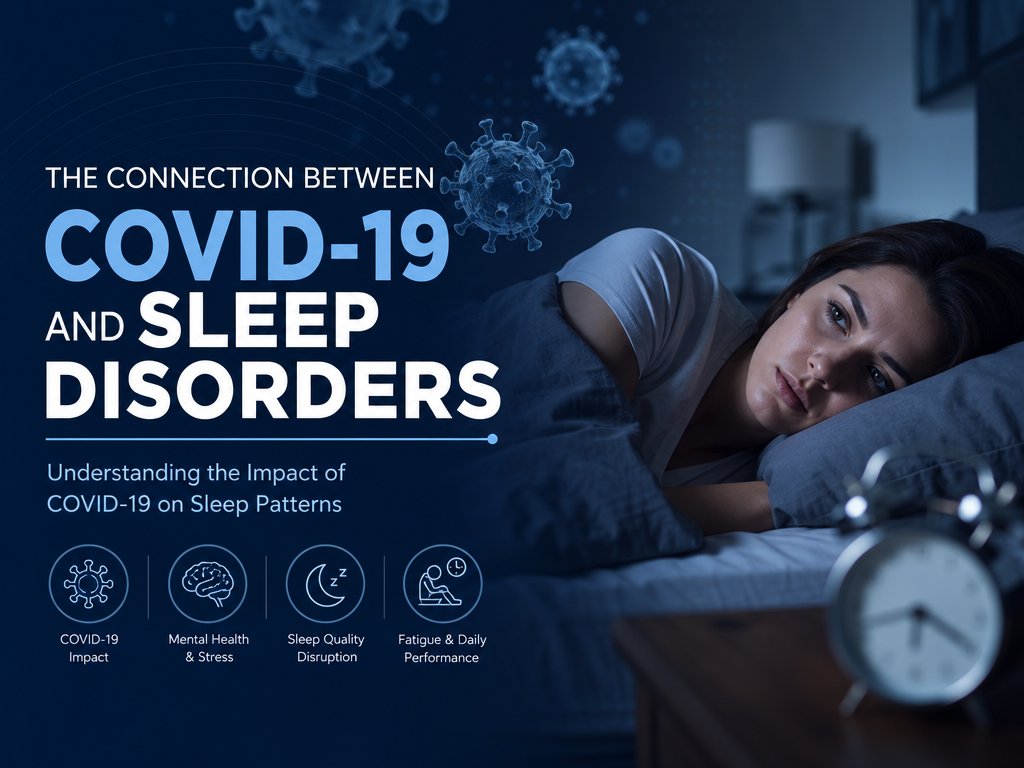
The ongoing COVID-19 pandemic, which began in late 2019, has significantly altered daily life across the globe. Among its many impacts, a notable increase in sleep disorders has been observed. Ranging from insomnia and poor sleep quality to disruptions in circadian rhythms, these issues have made pre-existing conditions worse, contributing to heightened levels of stress and anxiety. Overall health and well-being have been adversely affected, prompting a closer examination of these sleep disturbances and their implications for daily life and mental health.
Understanding Insomnia and Its Symptoms
Insomnia, characterized by persistent difficulties in falling or staying asleep, has grown more common since the pandemic’s onset. A 2022 meta-analysis found that 37% of individuals during the pandemic faced sleep issues, with rates exceeding 52% among those infected with COVID-19. This rise in insomnia not only impacts sleep quality but also affects day-to-day functioning and mental health. Symptoms often include daytime fatigue, irritability, concentration problems, and mood disturbances, all of which impair personal and professional life, making it harder to cope with everyday challenges.
Theories Behind the Link Between COVID-19 and Sleep Disorders
Various theories aim to explain why COVID-19 may lead to increased sleep disorders. Anxiety regarding health, financial stability, and the wider societal implications of the pandemic significantly contribute to disrupted sleep patterns. With stress levels soaring globally, the World Health Organization reported a 25% increase in anxiety during the pandemic’s first year, correlating with the rise in insomnia and other sleep-related issues. The interplay of these factors creates a complex web of stressors impacting sleep.
Disruption of Routine
The pandemic drastically altered daily routines, including shifts to work-from-home scenarios and school closures. These changes interfered significantly with people’s sleep patterns. Many individuals experienced social isolation, which added emotional stress, further impacting their ability to develop and maintain healthy sleep habits. This routine disruption often led to irregular bedtimes and wake times, increasing the likelihood of a disturbed sleep cycle. The lack of a structured day contributed to more chaotic sleep schedules.
Long COVID and Sleep Challenges
Long COVID, characterized by the persistence of symptoms long after the initial infection, frequently includes sleep disturbances as a significant symptom. Inflammation and immune responses linked to long COVID may disrupt the circadian rhythm, affecting sleep-wake cycles and overall sleep quality. Symptoms often include chronic fatigue, a result of poor and fragmented sleep, which can exacerbate other existing health issues and reduce life quality. This condition affects not only the physical health of individuals but also poses challenges to maintaining mental and emotional well-being.
Changes to Circadian Rhythms
Research indicates that many with long COVID suffer from significantly altered sleep patterns, suggesting disorders such as delayed sleep-wake phase disorder. This shift in circadian rhythms can severely impair normal functioning, greatly diminishing life quality. Targeted treatment strategies are essential to address these issues, helping those affected regain some normalcy and improve sleep health. Addressing altered circadian rhythms is vital for supporting recovery and enhancing quality of life.
The Emergence of “Coronasomnia”
The prevalence of sleep issues during the pandemic has led to the term “coronasomnia.” This phenomenon describes the broader experience of insomnia and other sleep disruptions directly tied to the pandemic. It affects various demographics and poses significant challenges to mental health services. Recognized as a stress-related disorder, coronasomnia highlights the pandemic’s psychological and physiological burdens on sleep quality, necessitating new solutions and support systems to manage this growing concern. Understanding coronasomnia helps in developing strategies to alleviate its impact.
Narcolepsy and Vaccination Concerns
While there was concern about the potential for COVID-19 vaccines to induce narcolepsy, there has only been one reported case suggesting vaccine-induced sleep disruption. Importantly, no vaccines currently approved in the United States have been scientifically linked to an increased risk of developing narcolepsy. These findings provide reassurance to the public regarding vaccine safety, particularly concerning sleep-related side effects, underscoring the importance of vaccinations in combating COVID-19 without added sleep-related risks. This understanding is crucial for promoting public confidence in vaccination efforts.
Managing Sleep Disorders Post-COVID
Managing sleep disorders requires strategic changes to sleep hygiene and, in some cases, medical intervention. Cognitive behavioral therapy for insomnia (CBT-I) and medications like melatonin are often recommended for chronic cases. These approaches aim to restore regular sleep patterns and mitigate the adverse effects of pandemic-induced sleep disorders. Sleep hygiene interventions include setting a regular sleep schedule, reducing exposure to screens before bedtime, and creating a calming bedtime routine to promote better sleep quality.
Healthy Habits to Improve Sleep
Cognitive behavioral therapy, combined with appropriate medical consultations, offers strategic methods to enhance sleep. Maintaining a consistent sleep schedule, even on weekends, is crucial. Creating a restful sleeping environment, managing pandemic-related stress through relaxation techniques, and adopting lifestyle modifications are essential for improving sleep quality. Practices like meditation, deep-breathing exercises, and regular physical activity can help alleviate stress and improve sleep hygiene, mitigating the impacts of stress-related sleep disturbances.
Conclusion
While a confirmed link between COVID-19 and sleep disorders is yet to be fully established, the pandemic has undoubtedly influenced global sleep quality. Further research is necessary to provide deeper insights into these correlations. Nevertheless, adopting healthy sleep practices remains critical for mitigating sleep disturbances. By focusing on effective management strategies and interventions, individuals can work toward improving sleep quality and overall wellness during these challenging times. This approach not only addresses sleep issues rooted in the pandemic but also fosters resilience against future disruptions. Supporting sleep health is essential for broader health and well-being, encouraging both recovery and adaptation to ongoing changes.