Understanding Paroxetine Oral Tablets
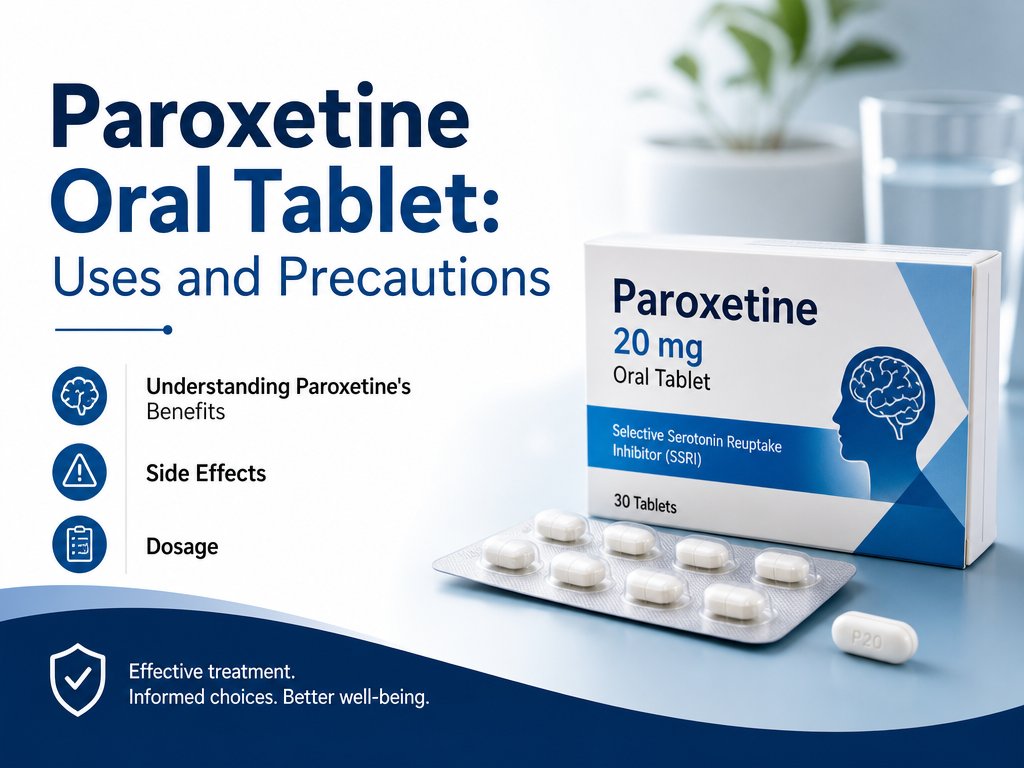
Paroxetine oral tablets are a widely prescribed medication available in both generic and brand-name forms, such as Paxil and Paxil CR. These tablets are primarily used to manage various mood and anxiety disorders, which include depression, panic disorder, and social anxiety disorder, among others. The choice of using either the immediate-release or extended-release formulations is typically determined by the unique needs and health considerations of the patient. This flexibility allows healthcare providers to customize treatment plans to better suit the individual requirements of each patient.
Forms and Uses
The immediate-release tablets are designed to distribute the medication rapidly in the body, providing quicker relief of symptoms, whereas the extended-release tablets release the medication over a longer period, resulting in a more gradual effect. This sustained release can be beneficial for individuals who require ongoing symptom control throughout the day, as it may reduce the frequency of dosing and minimize fluctuations in drug levels. Besides tablets, paroxetine is also available in the form of oral capsules and solutions, which offer alternative methods of administration to cater to different patient preferences and requirements. However, this article focuses specifically on the use of oral tablets.
Healthcare professionals prescribe paroxetine for a variety of conditions, including depression, panic disorder, and social anxiety disorder in adults. The medication may also be used to treat obsessive-compulsive disorder, post-traumatic stress disorder (PTSD), and generalized anxiety disorder. It is often used in combination with other medications to achieve the best therapeutic outcome. As paroxetine is classified as a selective serotonin reuptake inhibitor (SSRI), it functions by increasing serotonin levels in the brain, which can help to alleviate symptoms associated with depression and anxiety disorders. The effectiveness of paroxetine in modifying neurotransmitter activity underscores its role in addressing the chemical imbalances that contribute to these psychiatric conditions.
Potential Side Effects
Like many medications, paroxetine can cause a range of side effects, from mild to severe. Common side effects may include symptoms like dizziness, dry mouth, nausea, drowsiness, and insomnia. These side effects are generally transient and may diminish as the body adjusts to the medication. However, there are also more serious potential side effects that require immediate medical attention. It is crucial for individuals taking paroxetine to monitor any changes in mood, behavior, or physical condition. One significant concern is the risk of increased suicidal thoughts and behaviors, particularly in young adults and adolescents, necessitating close monitoring by healthcare providers and loved ones. The potential for side effects is why healthcare professionals recommend regular follow-up appointments to assess the patient’s response to the medication and to make any necessary adjustments to the treatment plan.
Interactions and Precautions
Paroxetine can interact with other medications and supplements, potentially altering their effects or causing harmful reactions. It is important to ensure that your healthcare provider is fully informed about all medications, vitamins, and supplements you are currently taking to prevent adverse interactions. Those taking paroxetine should avoid alcohol, as it can worsen certain side effects, and be mindful of potential allergic reactions to any of the ingredients. Additionally, individuals should discuss with their healthcare provider the risks and benefits of paroxetine if they have a history of specific medical conditions or are pregnant or breastfeeding.
Patients must also be cautious about potential interactions with other substances or conditions that might exacerbate side effects or compromise treatment efficacy. For example, combining paroxetine with nonsteroidal anti-inflammatory drugs (NSAIDs) or blood thinners may increase the risk of bleeding. Individuals with conditions such as liver or kidney issues may require adjusted dosages or additional monitoring. The impact of paroxetine on other medications, like monoamine oxidase inhibitors (MAOIs), must be carefully considered to avoid dangerous consequences.
Guidelines for Use
Dosage and Administration
The appropriate dosage of paroxetine and how it should be administered will be determined by your healthcare provider based on your specific health condition, age, and response to treatment. Paroxetine’s dosage can vary significantly depending on the condition being treated, such as obsessive-compulsive disorder (OCD), post-traumatic stress disorder (PTSD), and generalized anxiety disorder. Following the prescribed dosage and administration guidelines is crucial for ensuring the safety and effectiveness of the treatment. Patients are advised to take their medications at the same time each day to maintain consistent drug levels in the blood.
It is important not to alter the dosage or frequency without consulting a healthcare professional, as doing so can be detrimental to the overall treatment process. In cases where a dose is missed, specific guidance from a healthcare provider should be followed to avoid accidental overdose or withdrawal symptoms. Adjustments to dosage may be necessary if side effects become troublesome or if there is inadequate response at the current dose.
Warnings and Contraindications
Paroxetine comes with a boxed warning from the FDA, highlighting the risk of increased suicidal thoughts and behaviors when the medication is first started, especially in younger populations. Therefore, it is essential to gradually discontinue the drug under a doctor’s supervision to avoid withdrawal symptoms and to promptly report any unusual behavior changes or mood swings to your healthcare provider.
Precautionary measures should be considered for individuals with specific health issues, such as glaucoma, bipolar disorder, or a history of seizures, as these conditions might be affected by paroxetine use. Special considerations are also necessary for pregnant or breastfeeding individuals to minimize any potential risks to the fetus or infant. Older adults might require dosage adjustments due to changes in liver function and the slower metabolism of drugs. Compounding these issues, older patients are also at greater risk for experiencing side effects like hyponatremia, a condition characterized by low sodium levels in the blood, and bone fractures.
In conclusion, paroxetine is a versatile and widely used medication for managing several psychiatric conditions, including depression, anxiety, and related disorders. While it can be highly effective when used correctly, it demands careful administration and ongoing medical oversight to mitigate potential risks and enhance therapeutic effects. Patients should work closely with their healthcare provider to monitor for side effects and adjust treatment as needed to achieve the best possible outcomes while maintaining safety. Close communication and adherence to medical advice are instrumental in optimizing the benefits of paroxetine therapy, ensuring that each individual receives personalized and effective care. Furthermore, it is crucial for patients and their families to understand the significant role of lifestyle modifications and supportive care in enhancing the effectiveness of paroxetine therapy. Maintaining a healthy diet, regular exercise, and adequate sleep can profoundly impact the treatment’s success. Participation in therapy, whether individual or group-based, can also provide additional tools and skills to manage symptoms and improve overall quality of life. Paroxetine should be viewed as a component of a comprehensive treatment plan in collaboration with healthcare professionals, who are there to offer guidance, support, and adjustments throughout the therapeutic journey.