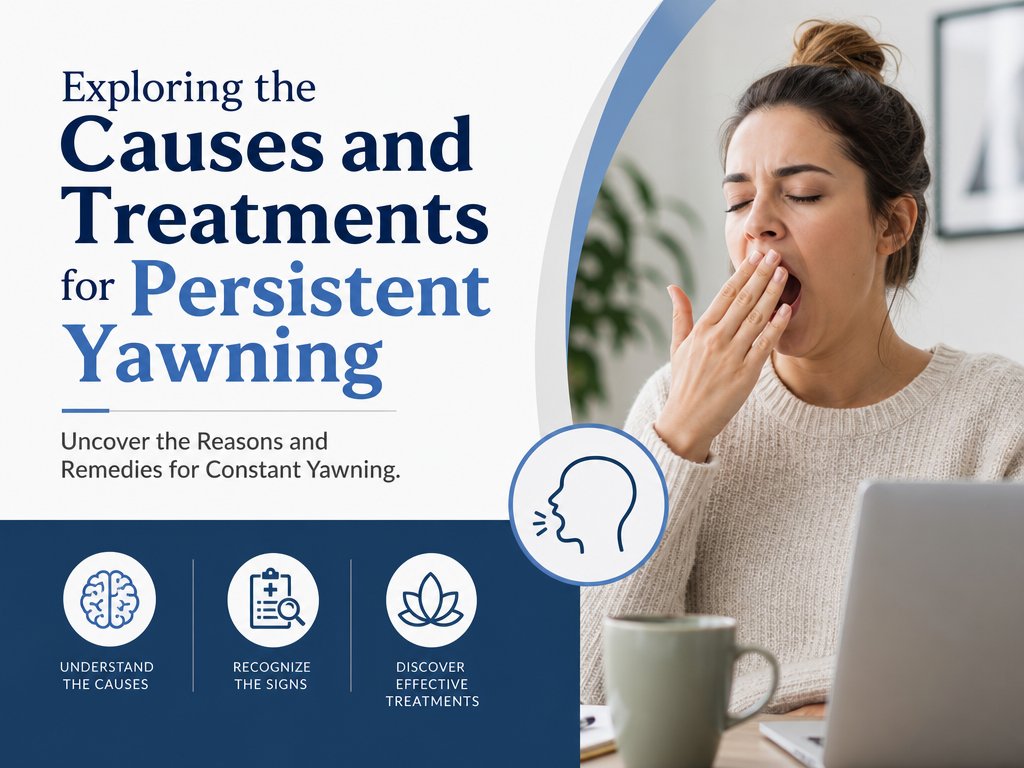
Understanding Excessive Yawning
Excessive yawning, although commonly perceived as a sign of sleepiness or boredom, may indicate an underlying medical condition. Yawning often carries social implications as well, sometimes causing embarrassment or miscommunication. This article delves into the various causes of frequent yawning and suggests when to seek medical advice, recognizing that it is not always a trivial matter.
The Yawning Process
Yawning is an involuntary process involving the opening of the mouth, a deep inhalation, and then a quick exhalation. Despite thorough research, the precise cause of yawning remains uncertain. It is often triggered by fatigue, boredom, or even by seeing or hearing others yawn. Some yawns are brief while others can last several seconds, often accompanied by watery eyes or stretching. Several theories have been proposed to explain this phenomenon, ranging from brain cooling to physiological responses that enhance alertness. Additionally, it’s believed by many experts to be a natural mechanism for maintaining proper brain temperature and facilitating the transition between different levels of vigilance or wakefulness.
Potential Causes of Excessive Yawning
While it is mostly attributed to sleepiness, excessive yawning may also be symptomatic of health issues such as heart problems, brain disorders, or even Lyme disease, an often-overlooked condition. Common factors include fatigue, sleep deprivation, stress, anxiety, and certain medications, which should be considered in diagnosing the cause. Some research suggests that excessive yawning might even correlate with disorders involving excessive serotonin levels, impacting neurotransmitter function vital for sleep regulation. Furthermore, certain medical disorders, such as multiple sclerosis or epilepsy, might manifest with excessive yawning as a secondary symptom due to the underlying neurological disruptions they cause.
Vasovagal Reaction
In rare instances, yawning may be part of a vasovagal reaction, where a drop in heart rate and blood pressure leads to fainting, along with yawning and other symptoms. This type of reaction can also lead to lightheadedness and a sudden feeling of malaise. During such an episode, excessive yawning may actually serve as an indicator of an impending fainting spell, which would require immediate attention to prevent injury. Understanding the potential for such reactions is crucial for those prone to these cardiovascular incidents.
Diagnosing Excessive Yawning
Diagnosing excessive yawning typically begins with a review of medications and sleep patterns. Doctors might recommend tests such as an electroencephalogram (EEG) to measure brain activity and help diagnose associated conditions. In some instances, imaging tests like MRI or CT scans might also be necessary to rule out neurological causes, while blood tests can detect infections or hormonal imbalances. A comprehensive physical exam and detailed medical history may further reveal patterns or lifestyle factors contributing to excessive yawning. Recognizing behavioral cues such as diet, exercise habits, and stress levels can provide additional context, especially when assessing lifestyle impacts.
Treating Excessive Yawning
Treatment depends on the underlying cause. Doctors may adjust medications or suggest lifestyle changes to improve sleep quality. In cases linked to medical conditions, appropriate treatments will be prioritized. For sleep-related issues, cognitive-behavioral therapy, stress management techniques, or sleep aids might be recommended. Changes in diet or incorporating daily exercise could also potentially reduce symptoms over time. Treatment plans might include mindfulness practices or even specialized exercises designed to improve cardiovascular health, all contributing to reduced overall yawning frequency and improved daily function. Additionally, enlisting support from family or friends can be a key aspect of maintaining new health habits.
When to Seek Help
Consult a healthcare provider if you notice an unexplained increase in yawning. A medical professional can assist in identifying any underlying health issues. Keep track of any medications and health changes to aid in the diagnostic process. Being forthright about any lifestyle modifications or stressors can improve diagnosis accuracy. If yawning persists as a frequent symptom, especially if related to new medication, it’s advisable to consult a doctor to identify an underlying cause. With the right treatment approach, excessive yawning can often be alleviated. More importantly, addressing the condition at its root will not only manage yawning but also foster overall health and well-being, fostering an improved quality of life. In summary, paying attention to excessive yawning might reveal more about your health than you anticipate, making it a potentially valuable cue for medical evaluation. Attuning to these cues can lead to early detection of imbalances or conditions, underlining the interplay between everyday behaviors and broader health outcomes.