The Role of Nurse Practitioners in Healthcare
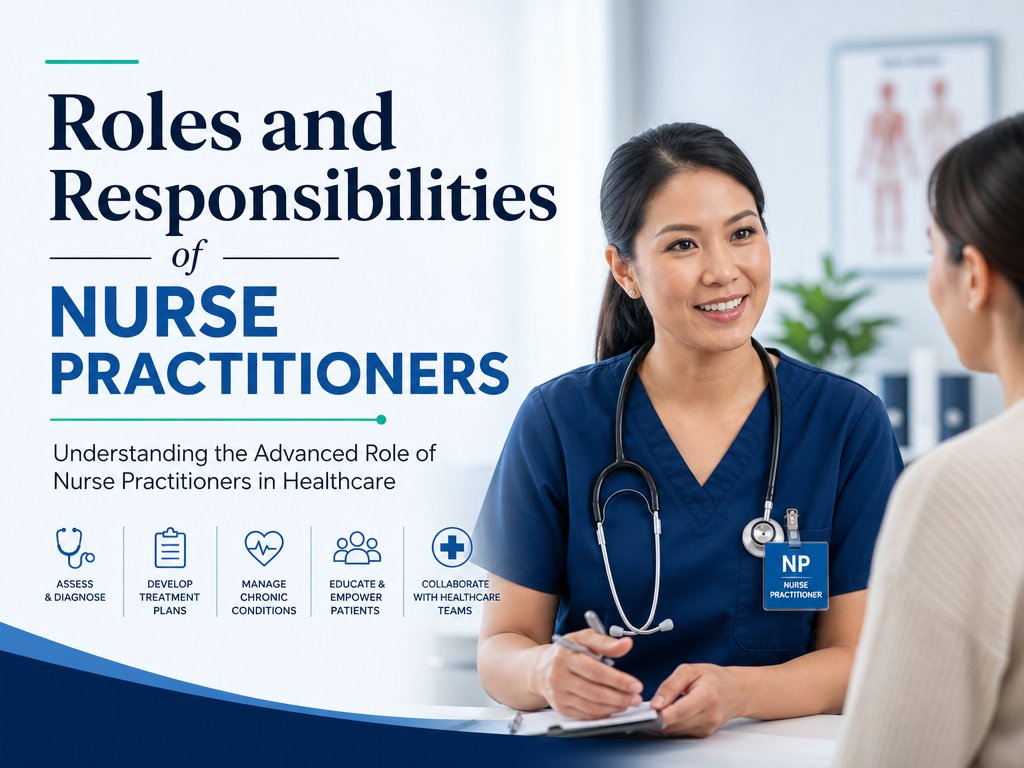
Nurse practitioners (NPs) play a crucial role in the healthcare system by delivering advanced care across a multitude of settings. With a master’s degree or higher, NPs are well-equipped to diagnose medical conditions, prescribe medications, and implement comprehensive treatment plans. Their holistic approach often results in a more thorough perspective on patient care, ultimately facilitating better health outcomes and enhancing patient satisfaction.
NPs often work collaboratively with other healthcare professionals, ensuring a seamless integration into healthcare teams. By doing so, they help to bridge gaps in care, especially in areas where physicians might be in short supply. This collaborative nature extends to working with other nurses, doctors, and specialists, which allows for a cohesive strategy when dealing with complex medical issues or chronic conditions. The ability to collaborate effectively within multidisciplinary teams not only optimizes patient care but also strengthens the entire healthcare delivery framework.
Educational Pathways
To become a nurse practitioner, aspiring individuals must first secure a registered nursing (RN) license, which is followed by earning a Master’s or Doctorate in Nursing Practice. These advanced degrees provide NPs the opportunity to choose specific specialties and prepare for critical certification exams. Various bridge programs offer pathways transitioning from an Associate Degree in Nursing (ADN) to more advanced degrees, thereby broadening potential career prospects. Many educational programs also integrate leadership training, research methodologies, and evidence-based practices into their curricula, equipping NPs with the necessary skills to effect change within diverse healthcare environments.
Furthermore, continuing education plays a vital role in maintaining competence and staying updated with the latest medical advancements. Nurse practitioners are encouraged to regularly participate in workshops, seminars, and courses to refine their skills and expand their knowledge base. This commitment to lifelong learning is a testament to NPs’ dedication to providing exemplary care and adapting to the ever-evolving landscape of healthcare.
Licensing and Certification
Nurse practitioners are required to uphold their RN licenses while also passing a specialized certification exam in their chosen field of practice. Licensure operates on a state-specific basis and may include additional qualifications concerning prescriptive authority. Certification is generally obtained through nationally respected organizations such as the American Nurses Credentialing Center (ANCC) or the American Association of Nurse Practitioners (AANP), which verify an NP’s qualifications and competencies to provide exceptional care within their specialization.
These certifications not only assure patients of the practitioner’s proficiency but also empower NPs to specialize further. Specialized certifications might include areas like oncology, cardiology, or dermatology, further enhancing an NP’s ability to cater to specific patient needs. This specialization is particularly important in achieving high standards in patient care, as it allows nurse practitioners to bring targeted expertise to areas that demand specific knowledge and skill sets.
Growth and Opportunities
The roles of nurse practitioners are rapidly expanding, with projected growth rates surpassing those of many other professions. According to the U.S. Bureau of Labor Statistics, there is an anticipated 45% increase in NP roles by 2029, emphasizing the significant demand in the healthcare field. This tremendous growth is driven by factors such as an aging population increasingly requiring healthcare services and ongoing efforts to enhance access to care, especially within underserved communities.
An additional driving force for the growth is the increasing recognition of NPs as primary care providers, which is vital in alleviating the burden on the healthcare system. This acceptance allows NPs to deliver frontline care and preventative services, often becoming the first point of contact for patients. This shift towards a more prominent role in primary care underscores the trust and reliability placed in nurse practitioners by both patients and other healthcare professionals.
Specialties and Compensation
NP salaries are influenced by various factors, including geographic location, chosen specialty, and level of experience. They are highly compensated for their skills and expertise, with the 2020 median salary approximating $111,680. States like California tend to report some of the highest average salaries for nurse practitioners.
Nurse practitioners can opt for specialties such as family care, pediatrics, or geriatrics, each requiring dedicated education and practice. Other specialized areas include psychiatric-mental health, women’s health, and acute care. Every specialty caters to distinct populations and health needs, affording NPs the chance to make substantial impacts within their chosen fields.
Specializing also opens doors to leadership and advocacy roles, where experienced NPs can influence healthcare policy and practice on a wider scale. By engaging in policy-making and health advocacy, they can champion initiatives that promote health equity, access to care, and improvements in clinical standards. This active involvement in shaping the future of healthcare highlights the versatile contributions of NPs beyond direct patient interaction.
Work Environment and Schedules
NPs operate in a wide range of environments, including hospitals, outpatient care centers, and private practices. This diversity affords them the ability to select work hours that complement their personal lifestyles. The evolving nature of healthcare has increased telehealth opportunities, permitting NPs to provide remote care and effectively manage patient needs across substantial distances, which further enhances their work-life balance.
The flexibility of NP roles is a key factor for many individuals, presenting opportunities for full-time, part-time, and shift work. Those practicing independently enjoy the autonomy to design their own schedules, while others may serve unconventional hours in hospital-based settings. This adaptability is one of the many factors contributing to the high levels of job satisfaction reported by nurse practitioners.
Moreover, this flexibility has become increasingly pivotal in recent healthcare models focused on patient-centered care. By having the capacity to tailor their schedules and care settings, NPs contribute to a more personalized and responsive healthcare experience for their patients.
Conclusion
As a continually growing field, nurse practitioners enjoy fulfilling careers that seamlessly combine extensive education with patient care. Those pursuing this pathway will discover rewarding opportunities in a diverse array of specialties and settings. The ability of NPs to deliver quality healthcare while adapting to the constantly changing landscape of medical science secures their continued importance in advancing patient outcomes and addressing future challenges within healthcare delivery systems.
The dynamic nature of the NP role enables them to integrate cutting-edge technology and best practices into their daily routines, ensuring that patients receive the most effective and up-to-date care possible. The vast array of tools and resources now available to NPs allows them to approach patient care with a comprehensive strategy that combines empathy, expertise, and evidence-based practice.