Introduction to Testosterone and Heart Health
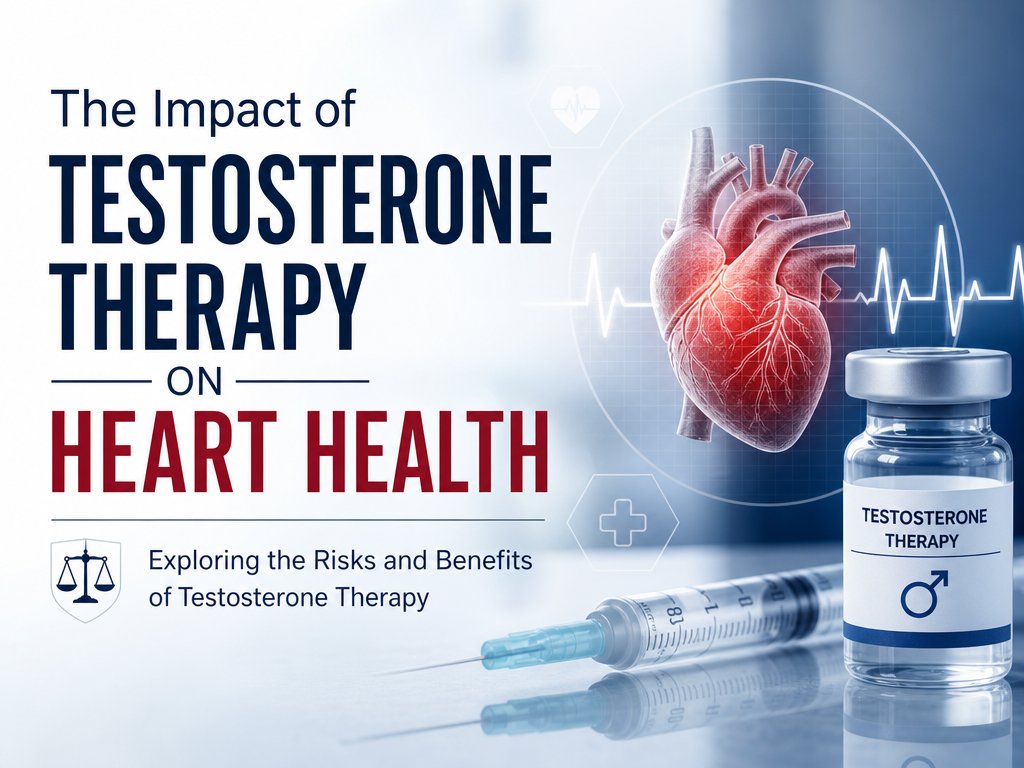
For most men, whether cisgender or transgender, testosterone therapy does not significantly increase cardiac risk. In fact, for some, it may even offer heart health benefits, potentially improving certain cardiovascular conditions. As cardiovascular disease remains a leading cause of mortality, understanding how testosterone affects heart health is increasingly important, especially as hormone therapy becomes more prevalent across different populations.
Understanding Testosterone’s Role
Testosterone is a critical sex hormone that plays a pivotal role in both physical and mental health. This hormone is present in all individuals, but its levels are notably higher in males following puberty. It is fundamental in developing male secondary sexual characteristics, supporting muscle and bone mass, enhancing energy levels, and influencing mood. Low testosterone levels can be addressed through replacement therapy, which is beneficial for cis men and also serves as an essential component of gender-affirming care for transmasculine individuals. This therapy helps to maintain the necessary physiological balance and support overall health.
Research Findings on Testosterone and Heart Risk
Several studies have examined the relationship between testosterone levels and cardiovascular health. These studies provide varied insights into how testosterone impacts heart health:
- Low testosterone is linked with a higher risk of stroke or transient ischemic attacks in males, as suggested by a study conducted in 2009. This implies that maintaining adequate testosterone levels might be crucial in reducing these risks.
- A 2011 review associated low testosterone in men with increased cardiovascular mortality. The review highlighted the potential long-term health implications of sustained low testosterone levels, providing critical understanding for healthcare providers.
- In 2021, research connected low testosterone with greater vascular aging, oxidative stress, and inflammation in men. These factors contribute to a decline in cardiovascular health over time.
- A 2022 study revealed that women with low testosterone might also face heightened cardiovascular risks. This finding indicates that testosterone’s role in heart health extends beyond gender, affecting females as well.
These findings collectively underscore the necessity of maintaining balanced testosterone levels to support cardiovascular health and mitigate associated risks.
Impact of Testosterone Therapy
Testosterone therapy primarily aims to normalize hormone levels and support various bodily functions. This therapy can be tailored to support muscle mass, bone health, and even psychological well-being. Research from 2021 highlights the potential of testosterone therapy to improve heart-related conditions, such as vascular health and metabolic function, suggesting therapies that involve monitored adjustments may benefit those with lower baseline testosterone. Importantly, this improvement can occur without increasing cardiovascular risks in those undergoing treatment for low testosterone. This is encouraging for individuals with concerns about heart health.
Gender Differences and Clinical Considerations
It is essential to note that many studies primarily include male participants, with less data available for transgender and non-binary individuals. Nonetheless, the impact of gender-affirming hormone therapy is increasingly studied, providing more insights into each individual’s unique health needs and responses. As the medical community gains a deeper understanding of diverse patient experiences, more personalized therapeutic approaches can be developed.
Anabolic Steroid Use
Anabolic steroids, a synthetic form of testosterone, have broader cardiovascular implications and are often misused for performance enhancement. Their misuse poses serious health risks, diverging significantly from medically supervised hormone therapy. Research warns against illicit use due to potential health hazards, including heart-related complications and other severe health issues. Users may experience altered cholesterol levels, increased blood pressure, and structural changes to the heart. These alterations increase the risk of heart attacks and strokes, illustrating the dangers of non-therapeutic use.
Anabolic steroid misuse can lead to a cascade of negative health outcomes. Beyond the cardiovascular system, these substances can affect mental health, contributing to mood swings, aggression, and depression. The potential for addiction is also a risk, whereby physiological dependence can develop due to the body’s reduced natural testosterone production. Overall, the importance of adhering strictly to medically advised and supervised hormonal therapies cannot be overstated, ensuring safe and effective treatment without the undue risks associated with unauthorized steroid use.
Deciding on Testosterone Therapy
For millions using testosterone therapy to treat deficiency or as gender-affirming care, a robust body of research indicates no heightened cardiac risk for most patients under professional supervision. However, it is important to consider individual health status. Individuals with existing cardiovascular conditions or risk factors like diabetes should consult with healthcare providers to carefully evaluate therapy risks and benefits. Personalized medical advice is crucial to ensure safety and effectiveness.
When considering the implementation of testosterone therapy, it is important to be informed through a thorough consultation with a healthcare professional. This step ensures that the treatment aligns with individual health goals and specific conditions. Collaborating with a knowledgeable provider allows for a tailored approach to developing a therapy plan that prioritizes hormonal health and overall well-being. Furthermore, consistent monitoring and adjustments may be necessary to facilitate optimal health outcomes. This proactive strategy lays the groundwork for successfully managing and potentially enhancing heart health through personalized hormonal therapies, thus placing emphasis on a holistic approach to patient care.