Understanding Hair Loss
Androgenetic alopecia is a common form of hair loss that affects both men and women as they age. It is closely linked to the process of testosterone converting into a molecule known as DHT (dihydrotestosterone), which leads to the gradual shrinkage of hair follicles. While men often experience a noticeable pattern known as male pattern baldness, women generally observe a more diffused thinning across the entire scalp rather than forming a bald spot. This condition is progressive, meaning it often begins at an early age and increases in visibility over time, gradually leading to more significant hair loss.
The Role of Saw Palmetto
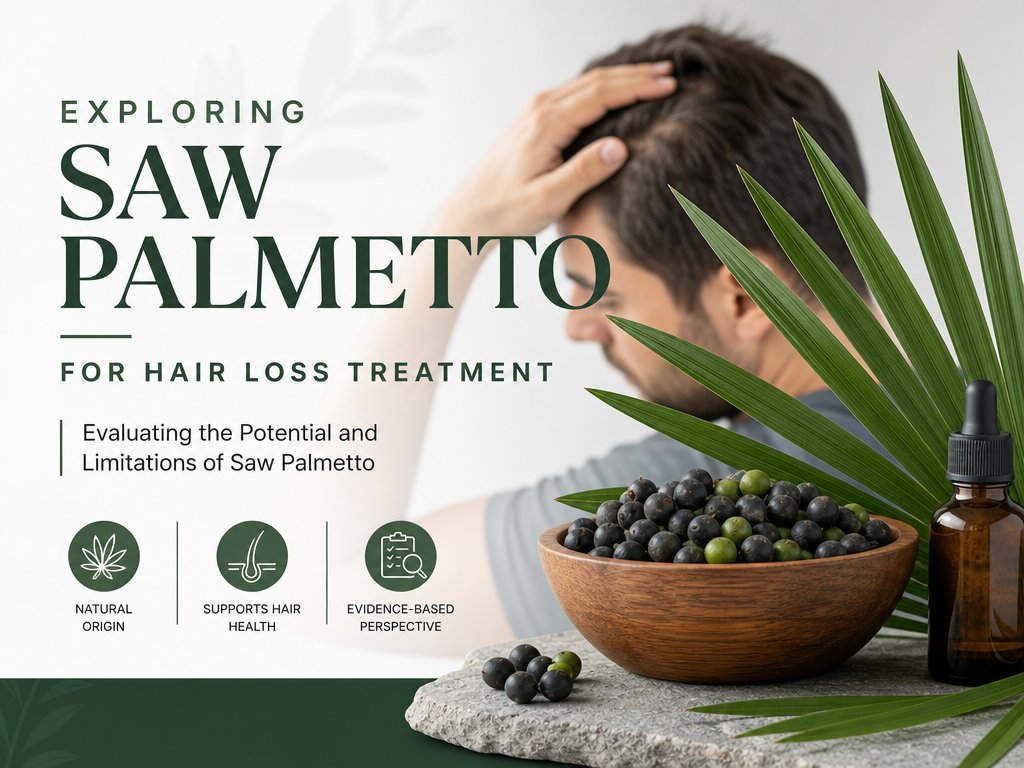
Given its growing popularity as an herbal remedy, many individuals turn to saw palmetto to tackle hair loss issues. This natural option is derived from a small palm tree native to the southeastern United States, particularly in Florida, with berries historically used by Native Americans for treating various health conditions. Saw palmetto is thought to contribute to hair loss prevention by potentially inhibiting the enzyme 5-alpha-reductase. This enzyme is responsible for converting testosterone to DHT, which is implicated not only in hair loss but also in conditions like prostate enlargement, making it a versatile tool in managing health concerns related to this conversion process.
Current Research Findings
Although studies on saw palmetto specifically for hair loss are limited, the existing research offers a promising outlook. In particular, saw palmetto’s effectiveness in treating enlarged prostate conditions has shown significant success, which fuels hope among researchers that it could similarly benefit hair growth. Some early studies have suggested that an extract of saw palmetto might positively impact hair count in men when used in combination with other topical compounds like trichogen veg complex. These findings are encouraging, but more comprehensive and extensive research is necessary to fully understand the potential benefits and limitations of saw palmetto in combating hair loss issues for different individuals.
Forms and Dosage of Saw Palmetto
Saw palmetto is readily available in various forms, including tablets and capsules, making it easily accessible for those interested in exploring its benefits. However, its efficacy is unverified when consumed in tea form due to the insolubility of its active compounds. It is important for individuals seriously considering saw palmetto as a part of their regimen to consult healthcare providers for appropriate dosages and usage. For prostate conditions, professionals often suggest a dosage of 160 milligrams taken twice a day, but recommendations for hair loss may differ, highlighting the need for tailored advice based on individual health status.
Safety Concerns and Interactions
Generally considered safe, saw palmetto is not advisable for use by children, pregnant, or breastfeeding women due to potential side effects. These side effects may include mild headache and stomach discomfort. Additionally, saw palmetto may have a blood-thinning effect, posing increased risks during surgery. Therefore, it should be avoided in combination with other blood-thinning medications, as this might elevate the risk of excessive bleeding. Its impact on hormone interaction is also noteworthy, as it could potentially reduce the effectiveness of oral contraceptives. Furthermore, it should not be used in conjunction with medications like finasteride without consulting a healthcare professional to ensure that there are no adverse interactions or complications arising from combined usage.
Expert Recommendations
Despite the limited scientific evidence available, saw palmetto remains a popular choice for those seeking natural alternatives to conventional hair loss treatments. Its mechanism of action appears to align with certain prescription medications intended for similar purposes. However, consultation with a healthcare provider is essential before beginning any new supplement regimen to ensure safety and proper guidance. If severe side effects or adverse reactions occur, individuals should discontinue use immediately and seek medical advice. As with any treatment option, individual experiences may vary, and ongoing research may provide further insights into its efficacy for hair loss prevention and treatment, leading to more personalized healthcare solutions.
Furthermore, among the discussions about hair loss, maintaining a healthy lifestyle is often emphasized as a key approach. This involves ensuring a balanced diet rich in essential nutrients, practicing regular exercise, managing stress, and adopting good hair care practices. These factors collectively contribute to the overall health and condition of hair, which may help mitigate the severity of hair thinning or loss. While saw palmetto may be part of a broader strategy, it should be viewed within the context of comprehensive wellness and holistic care, aiming for optimal health outcomes.