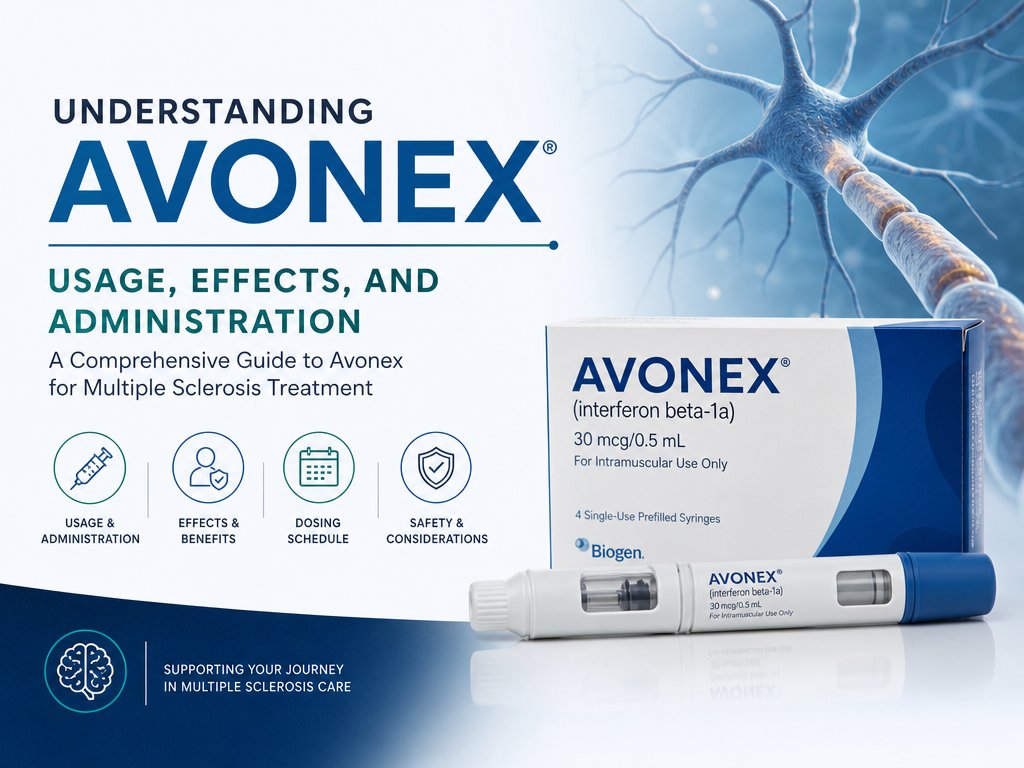
Introduction to Avonex
Avonex is a prescription medication specifically designed for treating multiple sclerosis (MS), especially its relapsing forms. It is usually administered as a weekly injection and contains interferon beta-1a, a biologic medication derived from living organisms. By potentially altering immune system activity, Avonex helps manage MS symptoms and slows disease progression. This proactive approach can significantly enhance the quality of life for those impacted by challenging MS symptoms, providing a valuable tool in their healthcare strategy.
How Avonex Works
The precise mechanism through which Avonex alleviates MS symptoms is not fully understood yet. However, it is believed to work by altering immune system behavior and reducing inflammation, which potentially aids in symptom relief and slows the disease’s progression. Avonex decreases the frequency of MS relapses by modulating immune responses. Significant clinical research suggests that this modulation can effectively reduce MS relapses, providing patients with more consistent and stable periods free from debilitating symptoms.
Storage and Handling
Avonex should be kept refrigerated, maintaining a temperature between 36°F and 46°F (2°C and 8°C), and stored in its original packaging to protect it from light exposure. Proper storage ensures the medication retains its integrity and effectiveness. It is important to avoid freezing the medication, as doing so can change its properties and potentially make it ineffective or unsafe for use. Before administration, the medication should be allowed to reach room temperature for about 30 minutes. Using heat sources like microwaves to expedite this process should be avoided, as it can alter the medication’s properties. Allowing it to warm gradually ensures it retains its intended potency.
Dosage Instructions
Avonex is administered via injection into the upper outer thigh muscle or upper arm, typically on a weekly schedule. It’s crucial to adhere to a doctor-determined dosing schedule, generally beginning with a lower dose to allow the body to acclimate to the medication. Gradually increasing the dosage helps minimize potential side effects, ensuring better tolerance and effectiveness. Patients are advised to rotate injection sites to avoid irritation or scar tissue development. This practice can help maintain skin integrity and ensure smoother, less painful administrations.
Potential Side Effects
Avonex may cause a range of side effects, varying from mild to severe. Mild effects are usually temporary and may include flu-like symptoms such as headache, fever, chills, sweating, muscle aches, and tiredness. Over-the-counter pain relievers may be recommended to alleviate these symptoms. More serious side effects, which could include liver damage or mood changes, need prompt medical attention. Regular monitoring by healthcare providers is essential to catch these changes early. Rarely, Avonex may lead to depression or suicidal thoughts, requiring close monitoring and possibly necessitating discontinuation of the drug. Mental health support should be considered part of the comprehensive care plan for those experiencing these thoughts. It’s important to stay in contact with a healthcare professional if experiencing any severe or concerning symptoms to ensure timely intervention.
Allergic Reactions
Although uncommon, Avonex can cause allergic reactions, which may be severe. These reactions, though rare, require immediate attention due to their potential severity. If an allergic reaction occurs, characterized by symptoms like rash, itching, swelling, severe dizziness, or trouble breathing, immediate emergency medical care is necessary. It’s vital for individuals to be aware of any hypersensitivities to ingredients in the medication and to consult their healthcare provider if unsure of their potential reactions. Conducting a thorough medical history review can assist healthcare providers in identifying potential risk factors before medication initiation.
Usage Considerations
Before starting Avonex, it is crucial to discuss all medications being taken with a healthcare professional to ensure there are no adverse interactions, as some medications can affect the efficacy or increase the side effects of Avonex. This step is vital for establishing a comprehensive care plan. Additionally, it is recommended to limit alcohol consumption as it may increase the risk of liver damage while on Avonex. Regular liver function tests are often recommended by healthcare providers to monitor any potential liver-related side effects, helping ensure patient safety and drug efficacy. Tailored lifestyle recommendations, including dietary adjustments and routine blood tests, can further support patient health while undergoing treatment.
Pediatric and Pregnancy Concerns
The effects of Avonex during pregnancy or breastfeeding have not been extensively studied. Therefore, it is essential for individuals to discuss any potential risks with their doctor to make informed decisions about their health and the safety of the medication for both the mother and the child. If a woman becomes pregnant while taking Avonex, she should inform her healthcare provider immediately to evaluate the necessity of continuing the treatment, weighing options carefully to prioritize maternal and fetal health. Comprehensive consultations with obstetricians and neurologists can help navigate the complexities surrounding medication use during pregnancy.
Interactive Q&A
- Does stopping Avonex treatment cause side effects?
No withdrawal symptoms are associated with discontinuing Avonex. However, MS symptoms may worsen without continued treatment, making it advisable to consult a healthcare provider before making any decisions about discontinuing therapy. Consultation ensures that decisions about modifying treatment take into account the nuances of an individual’s health condition. - Should Avonex be refrigerated?
Yes, Avonex should be kept refrigerated. Once the medication is removed from the refrigerator, it should be used within 7 days and must not be refrigerated again. Keeping it outside the recommended temperature range can affect its effectiveness. Sticking to strict storage guidelines preserves the medication’s therapeutic properties. - Weight changes due to Avonex?
Weight change is not recognized as a direct side effect of Avonex, but other side effects such as changes in appetite, physical activity levels, and mood could indirectly influence weight. Discuss any significant weight changes with a healthcare provider to understand their potential implications and address concerns. Comprehensive monitoring and potential dietary consultation can help manage and address concern over weight fluctuations. - Is it safe to get a flu shot while on Avonex?
Yes, receiving a flu shot while using Avonex is typically considered safe and is generally recommended. However, individuals should follow any specific advice provided by their healthcare professional regarding vaccinations, ensuring optimal protection while managing MS treatment. This proactive approach can prevent further health complications during flu seasons.