Introduction to Ileostomy and Colostomy
Ileostomies and colostomies are significant surgical interventions designed to create a new exit route for waste from the body through an opening in the abdominal wall. Though they possess essential similarities, such as the creation of a stoma, they are executed on various sections of the digestive system, affecting patients in distinct manners. These procedures are often critical, offering relief and enhanced quality of life for patients facing serious digestive tract issues. Beyond mere surgical interventions, they represent an approach to addressing significant health challenges by physically restructuring how the body eliminates waste, thereby alleviating discomfort and promoting healing.
What is an Ileostomy?
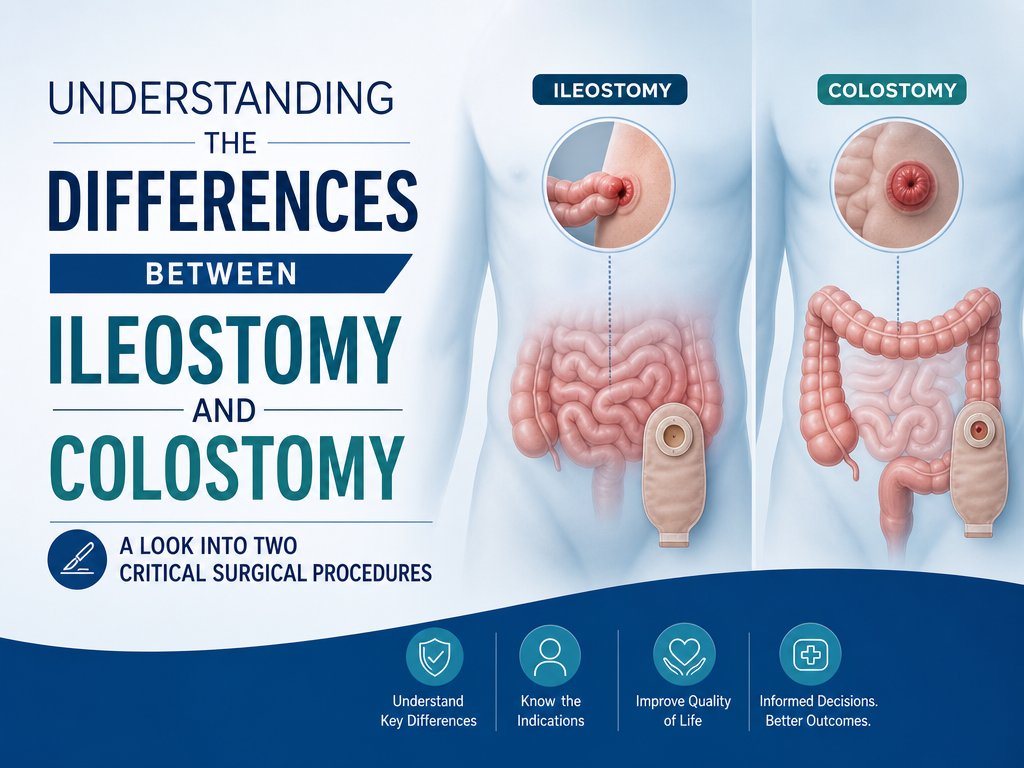
An ileostomy is a surgical procedure in which the end section of the ileum, the lower part of the small intestine, is rerouted through a created opening (stoma) in the abdominal wall. Waste material exits through this opening into an external pouch, thereby bypassing the colon entirely. This intervention can be temporary, especially when its purpose is to aid recovery after colon surgery by diverting waste away from healing areas. This technique allows damaged sections of the colon to recuperate without the stress of waste passage. In some instances, an ileostomy is a permanent resolution when sections of the intestine sustain severe damage or are affected by disease, such as in extensive cases of Crohn’s disease, ulcerative colitis, or when significant portions of the bowel are removed due to advanced colorectal cancer. In such cases, the ileostomy becomes a necessary means of maintaining bodily functions and ensuring overall health stability.
What is a Colostomy?
Conversely, a colostomy involves rerouting a part of the large intestine, for example, the colon, to a similar stoma formed in the abdominal wall. Waste is then collected in a bag attached externally to the skin. Colostomies can also be temporary, often used to allow lower parts of the colon or rectum to recover post-surgery, after trauma, or when suffering from severe inflammation. Providing a passage for waste separate from healing or compromised sections of the digestive tract tremendously aids their recovery. However, similar to ileostomies, colostomies might be permanent if the problems impacting the colon are extensive or if colorectal cancer requires removing substantial sections of the bowel, rendering the rectum unusable or affected beyond recovery. This is often a critical step in preserving the patient’s quality of life when confronted with irreversible damage to key digestive functions.
Recovery and Care
Following ileostomy or colostomy surgery, patients usually stay in the hospital under close medical observation to ensure the stoma is functioning correctly. Throughout this crucial period, medical professionals provide thorough care instructions. Patients are trained on how to clean and maintain the stoma, change collection bags, and identify signs of possible complications. Educating patients in these practices not only ensures improved long-term outcomes but also fosters a sense of independence and confidence after surgery. Proper hydration becomes critically important for ileostomy patients due to the increased loss of fluids and electrolytes, as waste bypasses the colon, which normally absorbs water. Colostomy patients also need to monitor and maintain their fluid intake to ensure optimal health.
Adjustments in Lifestyle
Undergoing an ileostomy or colostomy often requires significant alterations in lifestyle, which revolve around changes in daily routines, dietary habits, fluid intake, and medication management. These procedures can impact digestive processes, prompting patients to gradually adapt to new living conditions. For example, individuals with either type of stoma may need to avoid specific foods that might lead to blockages or cause excessive gas production. Additionally, including easily digestible, nutrient-rich foods in their diet becomes crucial to maintaining energy levels and overall health. Patients are encouraged to engage in gentle activities and incorporate mild exercises to aid digestion and improve their mood and overall outlook. By fostering a positive lifestyle filled with mindful activities and considerations, patients can navigate their recovery with greater ease and success.
Furthermore, emotional and psychological support is a pivotal component during the adaptation phase. By joining support groups or seeking counseling, patients can address their feelings and concerns following surgery. These resources offer invaluable peer support and shared experiences, which can ease the emotional challenges associated with such a significant lifestyle change. Physicians and specialized stoma care nurses provide invaluable guidance during this period, offering advice that is tailored to individual needs and unique conditions, thereby ensuring patients are well-informed and confident in managing their stoma care effectively and independently. Their guidance ensures seamless recovery and adaptation, forming a backbone of stability as patients adjust to life with a stoma.
Conclusion
Despite the substantial similarities between ileostomies and colostomies, such as both requiring the formation of a stoma for waste excretion, the key difference primarily lies in the part of the intestine involved. An ileostomy affects the small intestine by diverting the ileum, whereas a colostomy pertains to the large intestine and involves the colon. Regardless of these differences, both types of stomas necessitate adapting to new bodily functions, maintaining consistent and proactive healthcare routines, and focusing on both physical and emotional well-being. With appropriate care, adequate knowledge, and unwavering support, most individuals can lead active, fulfilling lives post-surgery, taking charge of their health and well-being with newfound resilience and adaptability. By embracing and incorporating these comprehensive lifestyle changes, patients are well-prepared to face challenges confidently, achieving well-being and maintaining their quality of life.