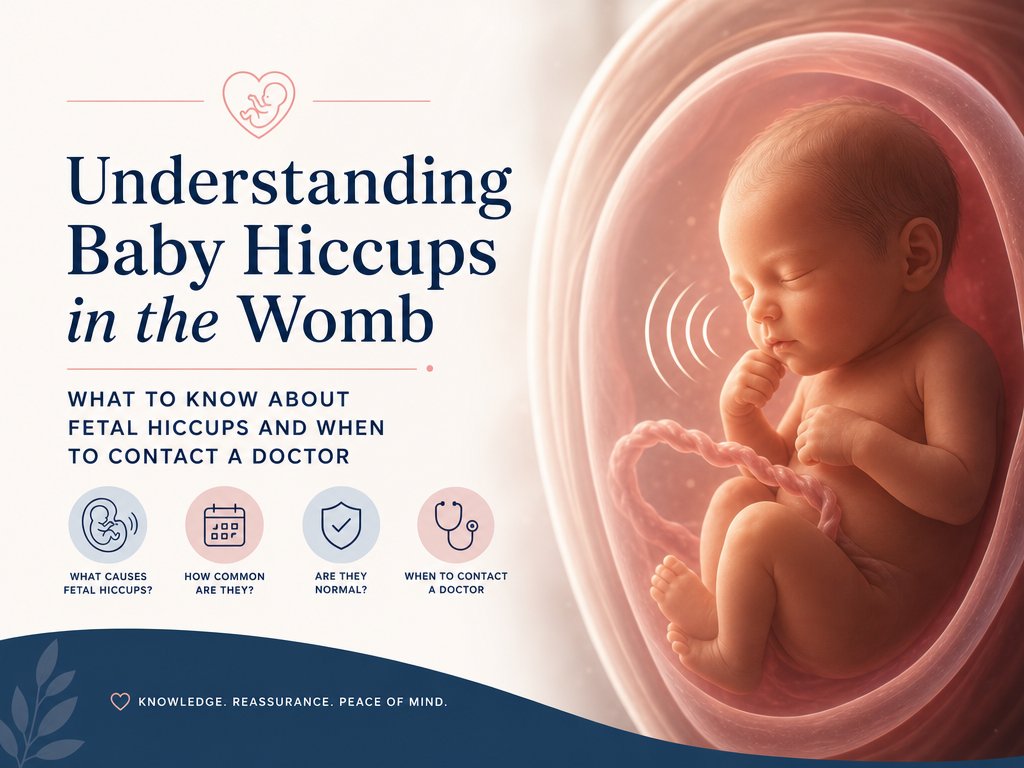
Introduction to Fetal Hiccups
During pregnancy, expectant mothers might notice various fetal movements, including a baby starting to hiccup in the womb. Such episodes can begin as early as the second trimester and are usually considered a normal aspect of fetal development. However, understanding when fetal hiccups occur and what they might signify can be particularly helpful for anxious parents-to-be. Recognizing these signs can help in evaluating the health and development of the baby.
Developmental Milestones and Movements
From weeks 18 to 20 of gestation, many mothers start to perceive their babies’ movements. This early sensation, commonly referred to as “quickening,” can vary in timing, influenced by several factors such as maternal weight, the position of the placenta, and whether the mother has experienced previous pregnancies. Each pregnancy is unique, and women might notice differences with each.
Fetal movements, including gentle kicks, rolls, and stretches, tend to develop and become more pronounced between weeks 13 and 25. These activities are critical as they indicate healthy development and growth. Rhythmic twitching, a specific type of movement that feels like muscle spasms, can signify hiccups, which are often noticed with increasing frequency, particularly in the second or third trimester. Monitoring these movements is important for ensuring ongoing development.
Frequency and Causes of Hiccups
In utero, babies may experience varying frequencies of hiccups. Some may hiccup several times a day, while others might rarely experience them. The exact cause of fetal hiccups is not well understood, but it is believed that these involuntary contractions could aid in lung development and the practice of swallowing amniotic fluid. This swallowing is part of an important physiological process, helping to clear the lungs of fluid in preparation for breathing after birth.
While fetal hiccups are typically seen as a positive sign, hiccups that continue daily beyond week 32 may prompt a consultation with your healthcare provider, especially if they last longer than 15 minutes or occur in frequent bursts. Such persistent hiccups could suggest potential issues, although such scenarios are rare, that might necessitate medical attention. This precaution ensures any problems are managed promptly.
When to Consult Your Doctor
Understanding your baby’s movements is crucial for monitoring your pregnancy. If you notice that the hiccups seem unusually strong or prolonged, especially beyond week 28, it is advisable to consult your doctor. Your healthcare provider can confirm whether everything is progressing well or if there might be a need for further examination, such as ultrasonography. Early intervention can often address issues before they become significant concerns, ensuring that both mother and baby remain healthy throughout the pregnancy.
Monitoring your baby’s movement, such as counting kicks, can help you keep track of their activity levels. Typically, you should be able to feel 10 movements within 30 minutes, but this can vary. Any significant changes or deviations from this pattern should be reported to your healthcare provider to ensure peace of mind and maintain awareness regarding potential health concerns. Addressing these concerns promptly can contribute to better outcomes for both mother and baby.
Coping with Frequent Fetal Movements
Frequent fetal movements, while an indication of good growth and active health, can sometimes cause discomfort or concern for the mother. Implementing techniques such as lying on your side with supportive pillows, maintaining a healthy diet rich in essential nutrients, staying well-hydrated, and engaging in suitable physical activities can help manage both physical discomfort and mental stress levels. These practices not only help in coping with frequent movements but also contribute to overall maternal and fetal well-being.
Remember, fetal hiccups are typically a normal part of pregnancy, helping to prepare your baby for life outside the womb. It is always reassuring to know that these movements play a vital role in your baby’s development. Always feel free to reach out to your healthcare provider if you have any concerns or need reassurance about your pregnancy journey. Soon, you’ll be able to witness and cherish your baby’s development firsthand, marveling at the small beginnings of an entire life. In these moments, understanding and empathy can go a long way in supporting a healthy and successful pregnancy.