Introduction to BRAF Mutation
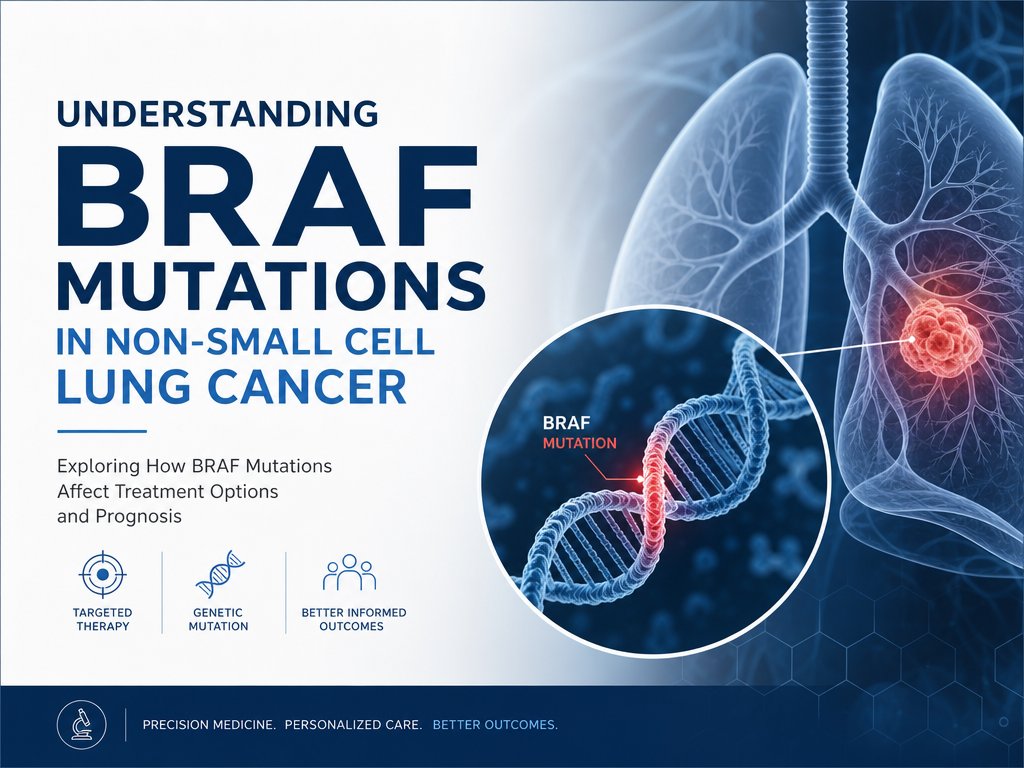
The BRAF mutation in non-small cell lung cancer (NSCLC) is a critical genetic alteration that can initiate cancer due to its profound impact on irregular cell growth and division. This mutation significantly influences treatment strategies and affects patient prognosis over time. The management of BRAF-mutated NSCLC has evolved with advances in molecular diagnostics and the development of targeted therapies, offering new hope and opportunities for affected patients.
The Role of the BRAF Gene
Playing a crucial role in normal cellular growth and division processes, the BRAF gene, when mutated, can lead to abnormal cell proliferation, consequently giving rise to lung cancer. The mutation most commonly observed in NSCLC is known as BRAF V600E. This specific mutation contributes to the rapid progression of cancer by generating defective proteins that disrupt normal cellular functions and signaling pathways. The defective proteins perpetuate unchecked cell division and growth without the normal regulatory controls that typically prevent cancer development.
Detection and Treatment of BRAF-Positive NSCLC
Identifying a BRAF mutation is a key step in determining the most appropriate treatment approaches for each patient. FDA-approved targeted therapies have been specifically developed to address BRAF V600E variations. In cases where other types of BRAF mutations are present, patients might require alternative therapeutic strategies such as immunotherapy or participation in clinical trials aimed at discovering new treatments and improving existing protocols. The choice between these options often depends on the mutation variant and other clinical factors relevant to the individual patient.
Approved Treatments
For BRAF mutation-positive NSCLC, several effective therapies have been developed. Treatments involving the combination of Dabrafenib with trametinib target both the BRAF and MEK genes to extensively thwart cancer proliferation. These drugs specifically inhibit the kinases associated with these mutations, disrupting the signaling pathways that lead to uncontrollable cancer cell growth. In situations where these treatments prove ineffective, other options such as immunotherapy might be recommended, sometimes in conjunction with traditional chemotherapy to potentially enhance their impact. The adaptive use of diverse treatment modalities illustrates the multidimensional complexity of managing BRAF-mutated NSCLC effectively.
Clinical Outcomes and Survival Rates
The overall clinical outlook for patients with BRAF-positive NSCLC varies greatly depending on the specific type of mutation and the individual’s response to treatment regimens. While targeted therapies can significantly enhance survival chances in certain BRAF variations, immunotherapy may also provide beneficial outcomes, especially in advanced stages of the disease where traditional methods might be less effective. The combination of therapies and personalized medicine approaches are continuously being refined to improve survival rates and the life quality of patients with varying BRAF mutations.
Prognosis Factors
Healthcare professionals consider a variety of factors—such as mutation type, patient’s overall health status, and demographic characteristics—to accurately predict survival chances and devise comprehensive treatment plans. An understanding of how BRAF mutations affect cancer development enables medical teams to make informed treatment decisions, potentially improving patient outcomes. Factors such as age, comorbid conditions, and the presence of other genetic mutations can also crucially influence prognosis and treatment efficacy.
Conclusion
BRAF mutations present significant treatment opportunities and challenges for NSCLC patients. Through the application of targeted therapies and innovative therapeutic approaches, individuals afflicted by these mutations gain potential for better management of their cancer condition, offering hope for more favorable long-term outcomes. Ongoing research and development in the field are crucial for uncovering new therapies and combination strategies that can more effectively combat BRAF-mutated NSCLC, potentially transforming the management and prognosis of this complex and devastating disease.