Introduction to Dercum’s Disease
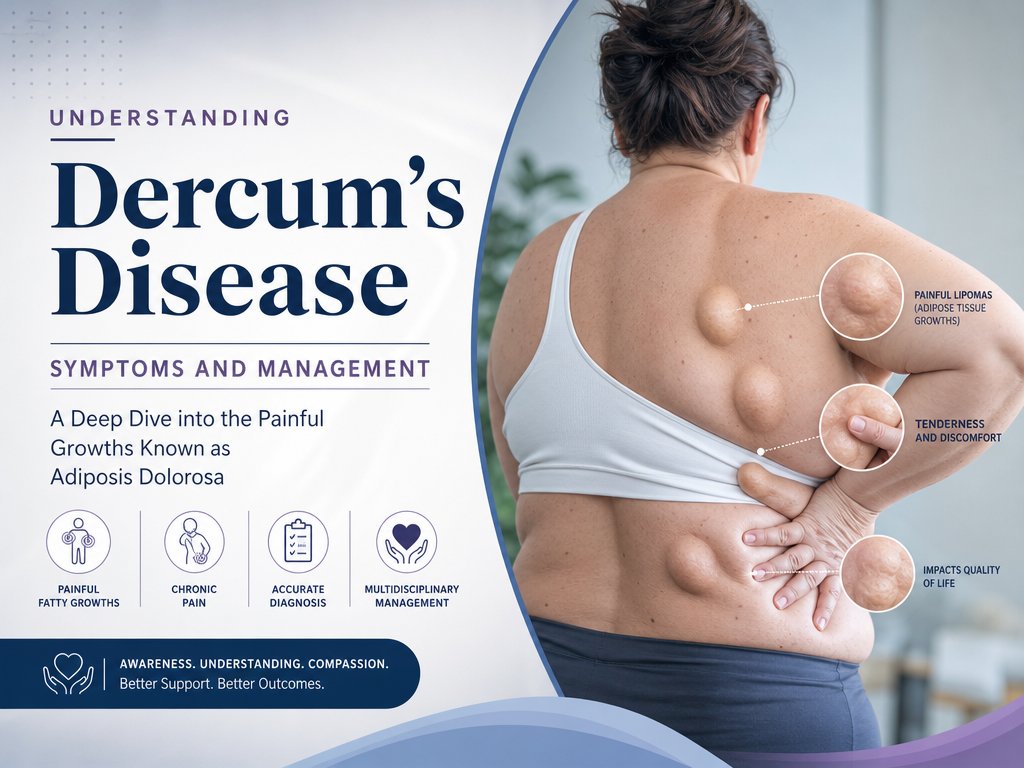
Dercum’s disease, also known as adiposis dolorosa, is a rare disorder that results in the formation of painful lipomas, which are fatty tissue growths. These growths usually develop on the torso, upper arms, or upper legs, causing not only physical discomfort but also emotional distress due to persistent pain.
Understanding the Prevalence
The condition is found to be significantly more common in women, occurring anywhere from 5 to 30 times more commonly than in men. This notable discrepancy highlights the limited understanding of the disease and the need for further research. Despite its debilitating nature, Dercum’s disease does not seem to affect life expectancy, which is a small relief for those diagnosed.
Symptoms and Diagnosis
People diagnosed with Dercum’s disease often experience painful lipomas, which can vary greatly in size. The pain arises when these lipomas press against nerves, and for some, this pain is a constant companion that can significantly impact daily life. Besides the painful lipomas, other symptoms might exist, such as fatigue, weakness, and mental confusion, but they can vary greatly among individuals. Currently, there is no definitive diagnostic criteria. Due to the ambiguity around its symptoms, doctors may use a process of elimination to diagnose the condition, often considering other diseases such as fibromyalgia or lipedema before concluding a diagnosis of Dercum’s disease.
Diagnostic Procedures
Doctors may perform a biopsy of the lipoma tissue or use imaging techniques like CT and MRI scans to rule out other conditions and confirm the diagnosis. These methods help in distinguishing Dercum’s disease from other similar conditions, ensuring a more accurate diagnosis.
Possible Causes
There is no consensus on the cause of Dercum’s disease. Some experts speculate it might be an autoimmune disorder, where the body’s immune system mistakenly attacks its tissues, while others point to a metabolic problem involving improper fat breakdown. The lack of definitive causes complicates treatment strategies and fuels the need for continued research.
Treatment Approaches
Treatment is primarily focused on managing pain, as there is currently no cure for Dercum’s disease. A combination of medication, physical therapy, and lifestyle adjustments often provides the best results, helping reduce the intensity of the symptoms.
Seeking Professional Help
Working with healthcare providers specializing in pain management and mental health professionals can help mitigate chronic pain and associated issues like depression. Support groups, both online and offline, can also provide much-needed emotional support. These resources can be invaluable for individuals seeking to cope with the psychological impacts of living with a chronic condition.
Coping Strategies
Living with Dercum’s disease involves continuous management and support to enhance quality of life, making it essential to seek comprehensive care tailored to individual needs. Personalized treatment plans that integrate medical intervention with mental health support and community resources can lead to better outcomes, allowing patients to maintain a higher level of daily functioning despite the challenges imposed by the disease.