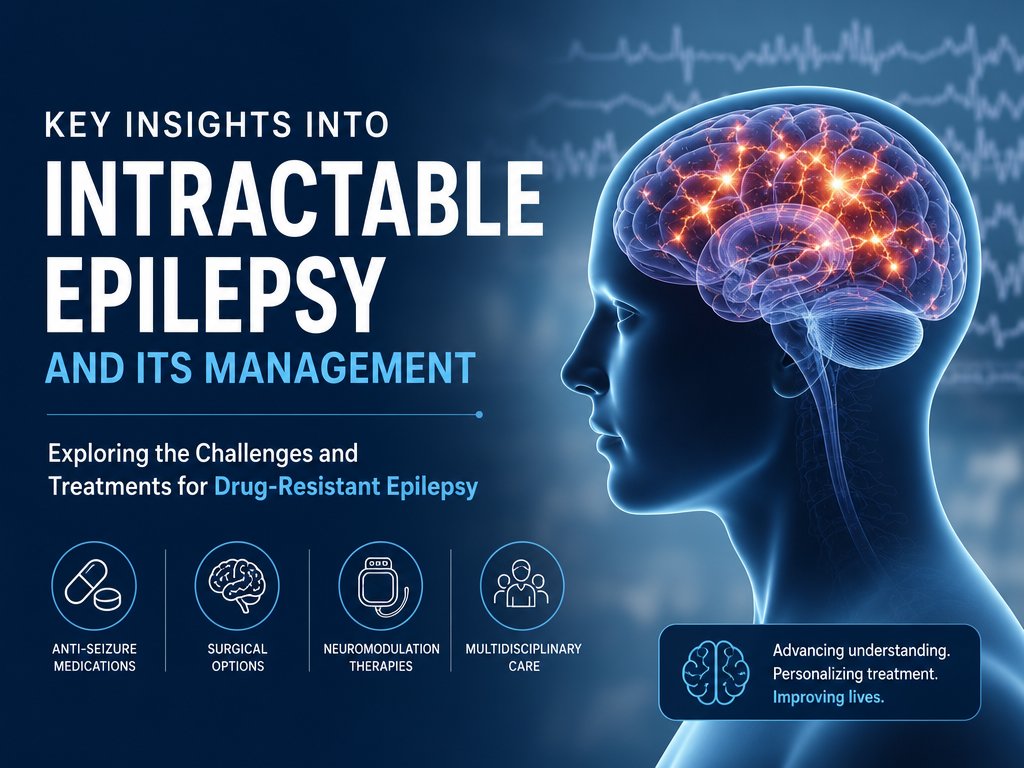
Understanding Intractable Epilepsy
Epilepsy is a chronic neurological disorder that leads to repeated seizures. These seizures are characterized by sudden, abnormal changes in brain activity, which can manifest in a variety of symptoms such as convulsions, momentary unconsciousness, or episodes of prolonged staring. The initial approach to managing epilepsy typically involves the use of antiepileptic drugs (AEDs), which are designed to reduce or control the frequency and intensity of seizures.
Drug-Resistant Epilepsy
For some individuals, AEDs fail to effectively control seizures, leading to a condition recognized as intractable epilepsy or drug-resistant epilepsy. In such cases, despite the administration of various AEDs, seizures continue to occur frequently, causing significant frustration and stress for both the affected individuals and their families. This persistent continuation of seizures can severely impact daily activities, work performance, and social interactions, thus demanding more attentive and comprehensive approaches to management and care.
Diagnosis and Causes
Intractable epilepsy is diagnosed when a patient experiences ongoing seizures despite unsuccessful treatment with at least two different AEDs. This often leads to frequent adjustments in medication and treatment strategy. Although the precise cause of intractable epilepsy remains elusive, several theories exist regarding potential reasons for its resistance to conventional treatments. These may include genetic factors, structural abnormalities in the brain, or other underlying health conditions that affect how the body responds to medications.
Symptoms and Diagnosis
The symptoms of intractable epilepsy are similar to those of general seizures and can include unexpected physical movements, loss of consciousness, or other neurological changes. Diagnosing intractable epilepsy typically involves the use of multiple diagnostic techniques, such as electroencephalography (EEG), magnetic resonance imaging (MRI), and possibly other neuroimaging methods, which assist doctors in gaining a comprehensive understanding of the patient’s condition. Additionally, physicians may conduct thorough medical histories and seizure diaries to gather detailed information about each patient’s unique experiences, optimizing individualized care plans.
Treatment Options
The primary goal in treating epilepsy is to manage and control seizures. When AEDs are ineffective, other treatment options are considered to provide relief:
Medications
Doctors may recommend trying different drugs or combinations if initial AEDs do not provide the desired control. However, the success of switching medications is often limited, and patients may not achieve complete seizure freedom with drug therapy alone. New medications or investigational drugs may occasionally offer hope, but they must undergo rigorous testing and approval processes to ensure safety and efficacy.
Surgical Interventions
Surgery involves removing or disconnecting the specific areas of the brain where seizures originate. The success rates for surgical interventions can vary significantly depending on the type of procedure performed, with reported success rates ranging from 50% to 90% in achieving a substantial reduction in seizure frequency. It is important for patients to undergo thorough evaluations, including neuropsychological testing and imaging, to ascertain their suitability and the potential benefits and risks associated with these procedures.
Neurostimulation and Diet
Vagus Nerve Stimulation (VNS)
VNS therapy uses a device implanted under the skin that sends electrical pulses to the vagus nerve in the neck, potentially reducing seizure frequency and severity. While VNS can be beneficial for some patients, it may also come with side effects such as hoarseness or cough. Researchers continue to explore adjustments and enhancements to this technology for improved outcomes.
Seizure Diets
Specific diets, including the ketogenic or modified Atkins diets, are sometimes prescribed for individuals whose seizures do not respond to AEDs. These diets require strict adherence to low-carbohydrate and high-fat regimes and can be challenging to maintain over the long term. However, they may help reduce the frequency of seizures for some patients. Dietitians and nutritional specialists often work closely with patients to tailor these dietary approaches, ensuring essential nutritional needs are met while optimizing seizure control.
Managing Triggers and Long-Term Outlook
Identifying and avoiding potential seizure triggers are key components of managing intractable epilepsy. Early diagnosis and intervention can lead to a more favorable prognosis, as finding an effective treatment approach often takes time and patience. Attending specialized epilepsy centers, maintaining regular medical appointments, and adhering to medical advice are essential steps in enhancing the quality of life for those affected by intractable epilepsy. Additionally, individuals are encouraged to engage in stress-reducing activities and to maintain a supportive network of family, friends, and healthcare providers.
Emotional and Financial Support
Living with intractable epilepsy can pose significant emotional and financial challenges. It is crucial for patients and families to seek support systems that address these needs. Healthcare professionals can provide guidance on accessing resources or assistance programs that may offer emotional support or financial aid, helping to improve overall well-being and quality of life. Support groups and community organizations play pivotal roles, offering shared experiences, education, and advocacy, which can empower patients and families in navigating the complexities of living with intractable epilepsy.