Introduction to Enbrel
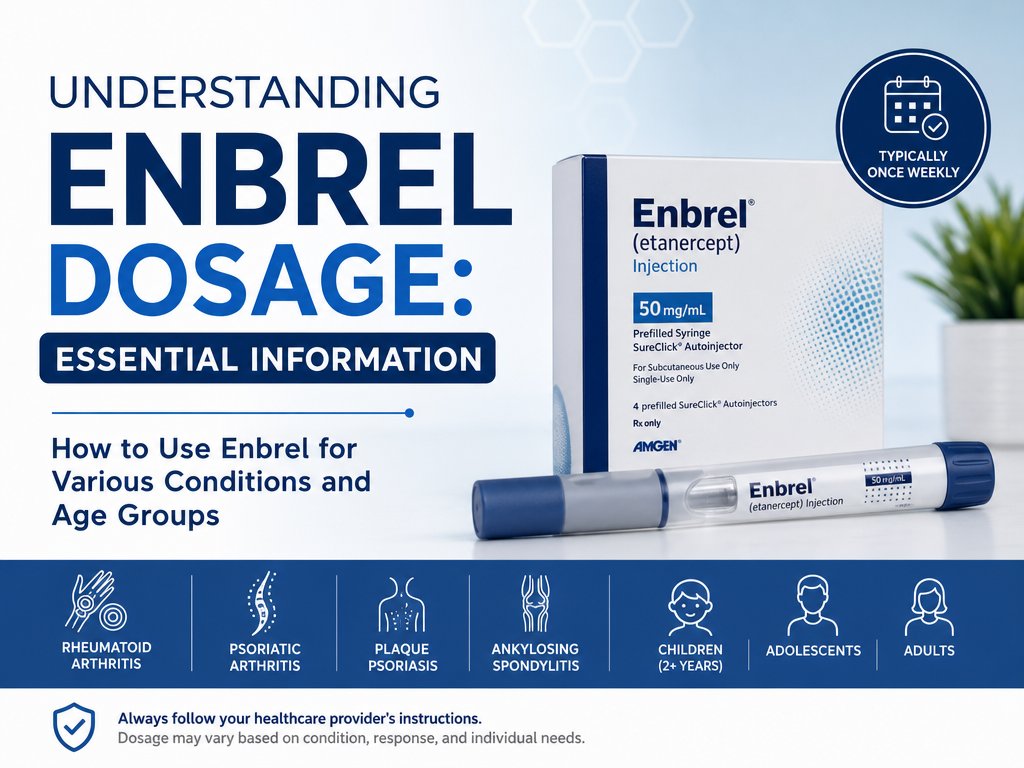
Enbrel (etanercept) is an injectable medication specifically designed to treat certain inflammatory conditions. Administered as a liquid solution, it is injected subcutaneously, typically once or twice weekly. Understanding its role in managing such conditions can significantly enhance the quality of life for individuals suffering from chronic inflammation. Developed to target specific pathways involved in inflammation, Enbrel acts by interrupting these pathways, thus reducing the physiological responses that lead to chronic pain and other symptoms associated with inflammatory diseases.
Conditions Treated with Enbrel
In adults, Enbrel is prescribed for a range of conditions, including rheumatoid arthritis, psoriatic arthritis, plaque psoriasis, and ankylosing spondylitis. It is also suitable for specific children’s conditions, depending on their weight. By targeting these conditions, Enbrel helps to reduce symptoms such as pain, swelling, and joint damage, thereby improving overall patient well-being. Patients who benefit from Enbrel typically experience not just a reduction in physical symptoms, but also an improvement in their ability to carry out daily activities and maintain a better quality of life.
Active Ingredient and Drug Class
The active component in Enbrel is etanercept, and it belongs to the tumor necrosis factor (TNF) blockers drug class. TNF is a substance in the body that causes inflammation and can lead to immune-system-related diseases. By blocking TNF, Enbrel helps decrease the inflammatory process, providing relief from symptoms. This can be especially beneficial in chronic conditions, where ongoing inflammation can lead to further damage over time. By mitigating these effects, Enbrel supports both immediate symptom relief and long-term health outcomes.
Dosage Guidelines for Adults
Rheumatoid Arthritis
The standard dose for adults managing rheumatoid arthritis is 50 mg per week, with the potential for combination therapy alongside methotrexate. This combination is particularly beneficial for patients who do not achieve adequate results with methotrexate alone, as it can enhance the anti-inflammatory effects, leading to better management of rheumatoid arthritis. Regular monitoring and adjustment of the treatment plan may be necessary to ensure that the combination therapy provides maximum benefits without increasing the risk of side effects.
Psoriatic Arthritis
For psoriatic arthritis, a common regimen involves a weekly 50 mg dose. In certain cases, additional medication might be considered by your healthcare provider. This condition can cause joint pain, stiffness, and swelling, and timely intervention with Enbrel can help prevent further joint damage and maintain mobility. Early management of psoriatic arthritis is crucial in preventing irreversible joint damage and can significantly improve the patient’s quality of life by preserving joint function and reducing discomfort.
Plaque Psoriasis
The initial treatment phase might involve a 50 mg dose administered twice weekly for three months, followed by a maintenance dose of 50 mg weekly. Psoriasis is an autoimmune condition characterized by red, scaly skin patches, and Enbrel assists in controlling the skin symptoms associated with this disease, allowing for clearer skin and reduced flare-ups over time. By addressing the systemic causes of psoriasis, Enbrel helps patients maintain better skin health, which often translates to enhanced social confidence and reduced psychological stress.
Ankylosing Spondylitis
A consistent dose of 50 mg weekly is typically indicated for ankylosing spondylitis. This condition primarily affects the spine and can lead to severe, chronic pain. Timely intervention with Enbrel is crucial in reducing the progression of symptoms, thus preserving posture and preventing spinal deformities. By maintaining spinal flexibility and reducing inflammation, Enbrel can greatly assist in managing ankylosing spondylitis, allowing patients to engage more freely in physical activities and enhance their overall mobility.
Dosage Considerations for Children
For pediatric use treating juvenile psoriatic arthritis, polyarticular juvenile idiopathic arthritis, and plaque psoriasis, dosages are predominantly weight-based and will be calculated by the healthcare provider. These conditions can severely affect a child’s growth and development, and early treatment with Enbrel can play a pivotal role in managing symptoms and allowing children to live a more normal and active life. Pediatric treatment plans involving Enbrel aim to minimize the impact of the disease on a child’s daily activities and long-term development, ensuring that the child’s growth and educational activities are minimally disrupted.
Long-term Use
Enbrel is often a part of long-term treatment plans. Dosages may be adjusted as required based on therapeutic response and any changes in weight, especially in pediatric cases. Continuous monitoring by a healthcare provider is essential to ensure the effectiveness of Enbrel while minimizing potential side effects. Long-term monitoring helps in identifying any adverse reactions early and enables the healthcare provider to make necessary adjustments to the treatment regimen, ensuring optimal care and sustained control over the treated condition.
Administration of Enbrel
Enbrel is available in multiple forms, including prefilled syringes and auto-injectors. The multidose vial is primarily used for specific dosing needs. Proper administration techniques are critical and will be demonstrated by your healthcare provider. Ensuring proper administration is essential for maximizing the effectiveness of the drug and avoiding unnecessary discomfort or complications during the injection process. Patients and caregivers are advised to follow the injection protocols closely and maintain hygienic practices to reduce the risk of injection site infections.
Managing Missed Doses
If a dose is missed, it should be administered as soon as remembered unless it is close to the subsequent dose. Do not double up on doses to compensate for a missed one. Maintaining a consistent schedule helps maintain steady drug levels in the body, ensuring effective symptom management. Consistency in taking Enbrel as prescribed is crucial for sustaining its therapeutic effects, preventing flare-ups of symptoms and promoting steady disease management over time.
Consult Your Healthcare Provider
Your healthcare provider will ensure you are on the most suitable dosage regimen for your condition. Always communicate any changes or concerns you might have regarding your treatment with Enbrel. They can provide vital guidance on how to handle side effects, adjust dosages, and integrate Enbrel into your broader treatment plan. Regular consultations and assessments are advised to ensure the safety and efficacy of the dosage given. Monitoring helps identify any issues early, such as the emergence of side effects or fluctuating disease symptoms, and allows for timely adjustments to your treatment strategy, maximizing the benefits of Enbrel and contributing to the effective management of your condition.
Potential Side Effects
Enbrel, like any medication, has the potential to cause side effects, though not everyone will experience them. Common side effects include reactions at the injection site, such as redness, itching, pain, or swelling. Some patients may experience upper respiratory infections, headaches, or dizziness. It is essential to be aware of these possibilities, but also to know that many individuals experience minimal or manageable side effects.
In rare cases, more severe side effects may occur, such as new or worsening heart failure, nervous system problems, or blood disorders. It is crucial to contact your healthcare provider immediately if you experience unusual symptoms or any signs suggesting serious complications. Being vigilant and proactive about side effects helps ensure prompt management, enabling the continuation of Enbrel therapy with minimal disruption and optimizing patient outcomes.