Introduction to Parkinson’s Disease and Mobility Issues
Parkinson’s disease, a progressive neurological disorder, often presents significant challenges related to movement, such as muscle stiffness, tremors, and balance difficulties. These symptoms can notably hinder daily activities, making tasks more arduous and posing potential safety risks for those affected. As these mobility issues impact quality of life, understanding and addressing them becomes crucial for people with Parkinson’s disease.
Role of Medications and Therapies
Although medications can help alleviate symptoms to some extent, they are often most effective when combined with other forms of intervention. Physical and occupational therapies are pivotal, offering additional support by teaching techniques that not only improve mobility but also help individuals maintain a level of independence that is crucial for quality of life.
Understanding Physical Therapy
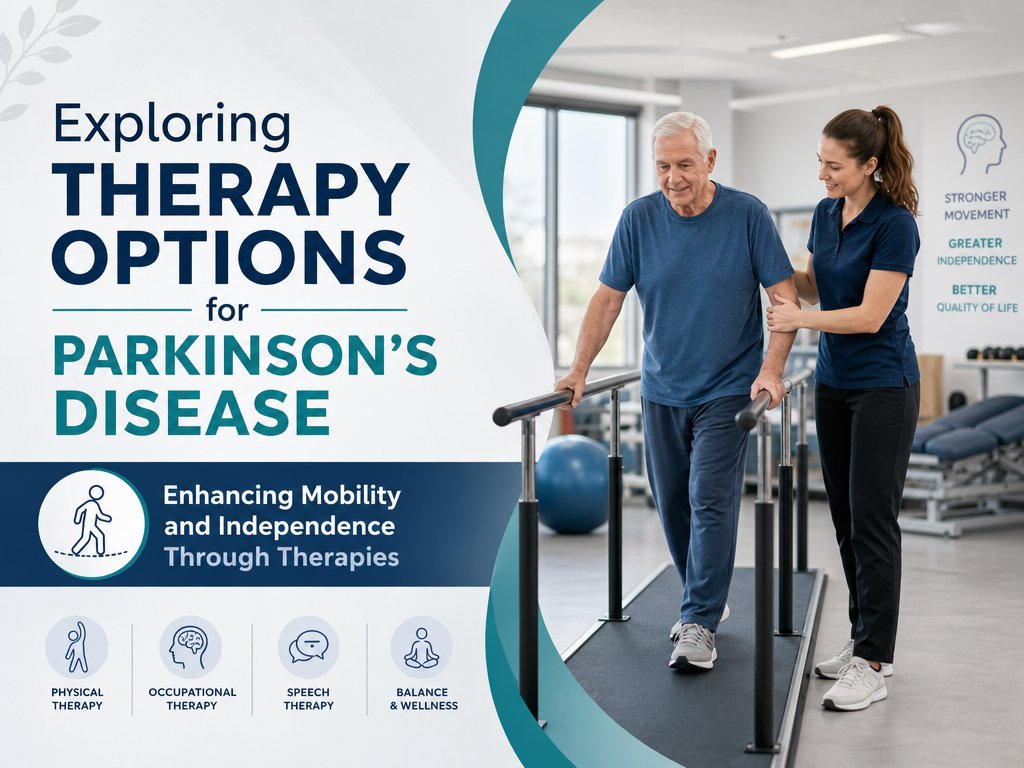
Physical therapy aims to build and maintain strength, flexibility, balance, and coordination through carefully designed and personalized programs. These programs are tailored by therapists who evaluate specific movement issues, thereby providing exercises and strategies that enhance an individual’s physical capabilities. Therapy often involves a variety of exercises that target different aspects of mobility and strength.
Finding the Right Therapist
Choosing a therapist with specialized experience in Parkinson’s disease or similar neurological conditions is crucial for effective treatment. Board-certified neurologic specialists are often best equipped to offer targeted treatments that address specific movement-related challenges. They provide insight into the nuances of dealing with Parkinson’s, tailoring the approach to suit individual needs for better results.
Effective Physical Therapy Techniques
Amplitude Training
One notable technique is amplitude training, commonly known as LSVT BIG. This therapy helps expand the reduced movements often caused by Parkinson’s, effectively counteracting hypokinesia. By retraining muscle movements, it promotes a fuller range of motion, which is essential for performing daily tasks more comfortably and effectively.
Balance and Coordination Improvement
Improvement in balance and coordination is another critical focus area. Exercise routines crafted by physical therapists are designed to restore balance, improve stability, and boost the confidence of individuals, significantly reducing the fear of falling. This aspect of therapy is particularly crucial as fear of falling can lead to reduced activity levels, further exacerbating physical decline.
Reciprocal Pattern Training
Reciprocal pattern training exercises enhance the coordinated movements of limbs, which is crucial for achieving effective walking patterns. These exercises typically involve activities that require simultaneous arm and leg actions, reinforcing motor skills that are essential for everyday mobility tasks.
Occupational Therapy in Parkinson’s Management
Occupational therapy plays a distinct role in Parkinson’s management by focusing on teaching skills that are directly related to daily living activities. This form of therapy aims at improving the ability to perform everyday tasks confidently and with less physical strain.
Home and Work Environment Adjustments
A significant part of occupational therapy involves evaluating the individual’s home and work environments. Therapists suggest modifications to enhance safety, convenience, and accessibility, which can make daily life significantly easier for individuals with Parkinson’s. These adjustments are tailored to meet specific challenges faced by individuals within their living and working spaces.
Conclusion
Combining medication with supportive therapies like physical and occupational therapy significantly enhances the management of Parkinson’s disease symptoms. Through targeted strength-building, skill acquisition, and strategic environment adjustments, individuals can achieve improved mobility, greater independence, and an overall better quality of life. As these therapies cater to the unique needs of each person, they serve as a vital partnership in managing the complexities of Parkinson’s disease.