Introduction to IgG4-Related Disease
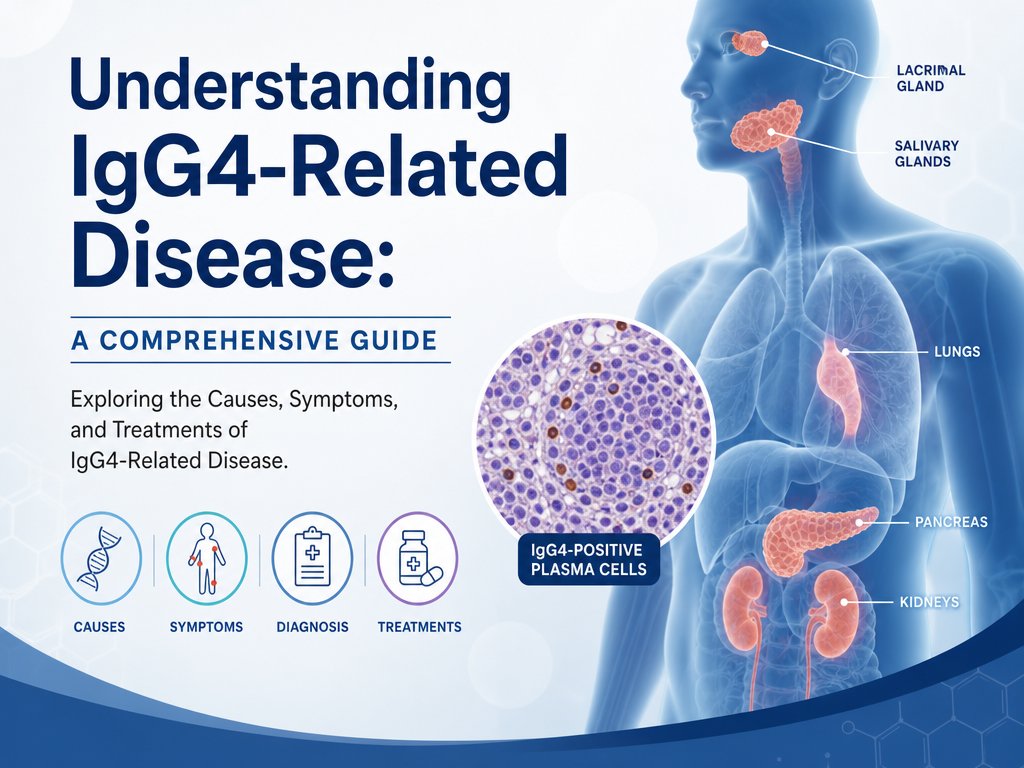
Immunoglobulin G4-related disease (IgG4-RD) is an intricate autoimmune condition characterized by chronic inflammation and the accumulation of specific immune cells in various tissues throughout the body. Among these immune cells are plasma cells that produce IgG4, a type of antibody that your immune system uses to combat a variety of diseases and infections. This multi-organ condition can impact multiple parts of the body, which can lead to significant medical complications if not appropriately managed and treated.
Organs Affected
IgG4-RD can impact nearly any organ in the body. A significant majority, between 60% and 90%, of individuals with IgG4-RD experience effects on multiple organs. When the disorder targets several organs simultaneously, it can lead to organ dysfunction or more severe complications, including, in some cases, organ failure. Common organs affected include the pancreas, liver, lungs, and kidneys. However, it can also involve the salivary glands and other important structures.
Causes and Symptoms
While experts suspect IgG4-RD originates from changes in the autoimmune system, the exact cause of the disorder remains unknown, presenting a challenging aspect of the disease. Factors such as genetics, environment, and lifestyle choices may contribute to its development, although they are not yet fully understood or defined. Symptoms vary considerably depending on the organs affected and the extent of the damage, which can develop over a period that spans months or even years before becoming apparent. Common symptoms include persistent pain, swelling of tissues, and symptoms corresponding to the specific organs involved. Other less common symptoms might surface depending on which organ systems are most significantly impacted, adding complexity to its presentation.
Diagnosis of IgG4-Related Disease
Diagnosing IgG4-RD is complex, as no single test can definitively identify the condition on its own. Physicians typically order a series of tests to detect signs of IgG4-RD while simultaneously ruling out other health issues with similar presentations. This approach involves conducting blood tests to measure IgG4 levels and using imaging studies such as CT or MRI scans to examine organ systems and detect any unusual changes or abnormalities. Additionally, biopsy of affected tissues may be required to confirm the presence of IgG4-producing plasma cells for a definitive diagnosis.
Treatment Approaches
Corticosteroids remain the traditional treatment for IgG4-RD, proving effective in reducing inflammation and lowering IgG4 levels. This therapy can result in disease remission, either partially or completely. However, due to potential side effects, the lowest effective doses are always preferred to minimize patient risk. Alternatively, monoclonal antibodies, such as inebilizumab-cdon (Uplizna), present new avenues in treatment by targeting B cells, which are involved in inflammation. These therapies can be particularly beneficial for patients who do not respond well to corticosteroids or who experience adverse effects from steroid use. Additional medications, like rituximab, may be considered in resistant cases or when complications arise.
Managing Complications and Lifestyle Adjustments
Complications arising from IgG4-RD may necessitate the use of additional interventions such as surgery or the administration of specific medications. For instance, blocked bile ducts due to inflammation might require a procedure called biliary stenting. Likewise, lifestyle changes, including diet modifications, can assist in managing and mitigating complications. Patients are often encouraged to adopt a balanced diet aimed at reducing inflammatory processes and symptoms, engage in regular physical activity to maintain overall health, and avoid known environmental triggers that may exacerbate their symptoms. Emphasizing stress-reduction techniques, such as mindfulness and relaxation exercises, can also play an essential role in comprehensive care and symptom management.
Prognosis and Ongoing Care
The prognosis with IgG4-RD varies and heavily depends on early intervention to prevent severe fibrosis and other complications. Consistent treatments and regular monitoring regimes are crucial to effectively managing the condition and adapting to any changes in disease activity. Patients are advised to maintain regular check-ups with their healthcare provider to tailor and adjust their treatment plans as needed. Ongoing care often involves a multidisciplinary team of specialists to address the diverse challenges associated with IgG4-RD, including immunologists, rheumatologists, and other pertinent medical professionals. Education about the disease and its expectations is crucial, empowering patients and their families to be proactive in symptom management and care coordination.
Conclusion
IgG4-RD is a complex autoimmune disorder affecting multiple organs, with treatment strategies focused on reducing inflammation and managing symptoms effectively. Early and consistent treatment regimens can mitigate complications and significantly improve quality of life for those affected. Through collaborative care, including medical interventions and lifestyle adjustments tailored to an individual’s needs, patients with IgG4-RD can maintain a stable health status and minimize the impact of the disease on their everyday lives. Emphasizing the importance of early detection and comprehensive management remains crucial in improving patient outcomes and ensuring a more favorable prognosis. Staying informed about ongoing research and advancements in treatment options can also help patients navigate this challenging disease.