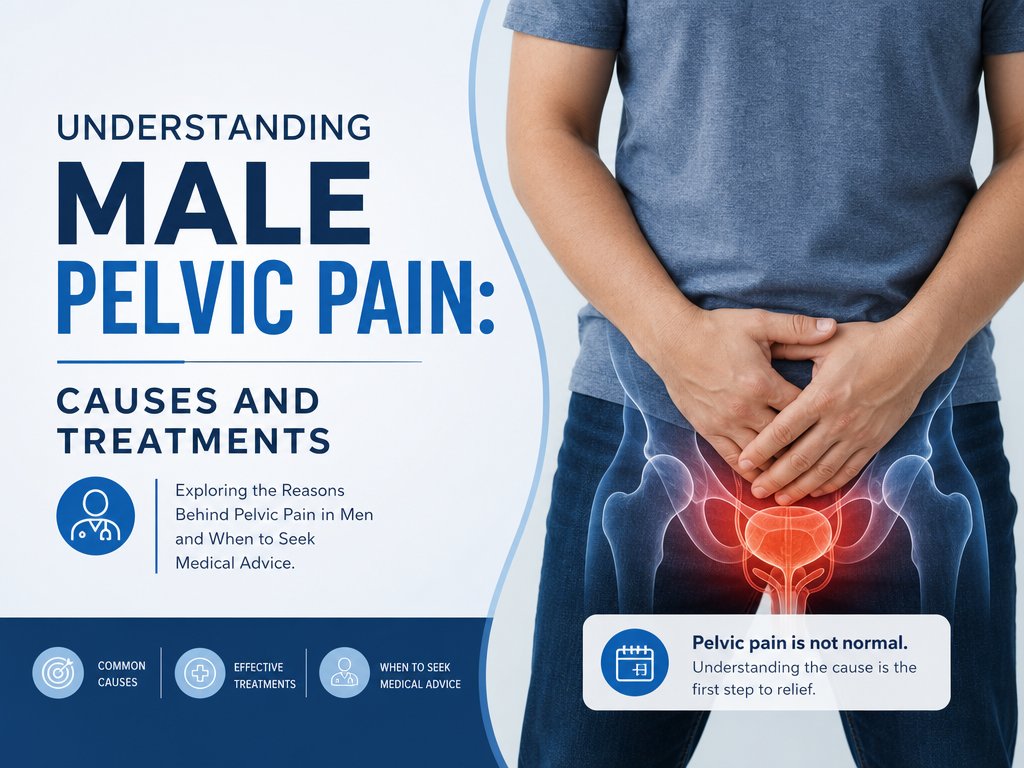
Introduction to Male Pelvic Pain
Pelvic pain refers to discomfort occurring in the region between the abdomen and thighs, encompassing the lower abdomen, groin, and genitals. In men, this pain can be attributed to urinary, reproductive, or intestinal issues, among other possible causes. Understanding the underlying reasons for male pelvic pain is crucial for effective treatment and management of symptoms. With a multifactorial nature, identifying these causes can not only alleviate immediate discomfort but also prevent potential complications through early intervention.
Common Causes of Pelvic Pain in Men
Urinary Issues
The urinary system involves the kidneys, ureters, bladder, and urethra, all responsible for urine production and removal. A urinary tract infection (UTI) occurs due to bacterial overgrowth in any of these components, commonly affecting the bladder where urine is stored. Symptoms typically include cystitis, bladder inflammation, and subsequent pelvic pain in many cases. Common signs of a urinary tract infection may also encompass frequent urination, a strong urge to urinate, or burning sensation during urination. For those suffering from chronic UTIs, long-term management strategies might be necessary to address underlying issues.
Reproductive Concerns
The prostate, a gland producing fluid integral to semen, can become inflamed due to factors such as bacterial infection or nerve damage. This condition, known as prostatitis, results in pelvic pain alongside other symptoms, such as discomfort during urination. Additionally, sexually transmitted infections, including chlamydia or gonorrhea, may also present as pelvic pain, often accompanied by other reproductive system symptoms. Such infections can cause painful urination, penile discharge, and in some cases, tenderness or swelling in the groin. Timely diagnosis and treatment are critical in managing these conditions and preventing long-term reproductive health issues.
Intestinal Problems
Hernias, such as inguinal hernias, occur when tissue pushes through surrounding muscle, potentially causing dull and persistent pelvic pain. Meanwhile, conditions like irritable bowel syndrome (IBS) can lead to regular discomfort in the pelvic region, often accompanied by bloating and changes in bowel habits. Appendicitis, characterized by inflammation of the appendix, is a critical condition that presents with severe pain and typically requires urgent surgical intervention. Irritable bowel syndrome (IBS) may also be characterized by alternating bouts of diarrhea and constipation, further complicating the clinical picture. Dietary adjustments and stress management techniques can aid in mitigating IBS symptoms.
Other Possible Causes
There are other conditions that may contribute to pelvic pain in men. Pain might arise from urinary stones if they move around within the urinary tract, leading to sharp and intermittent discomfort. Urethral strictures, which are abnormal narrowings of the urethra, can also cause significant pain and urinary difficulties. Further contributing to pelvic discomfort, benign prostatic hyperplasia (BPH) involves an enlarged prostate, which may press against the bladder. Pudendal nerve entrapment, where the pudendal nerve is compressed or damaged, might also trigger pelvic pain. Other causes such as pelvic floor muscle tension or even trauma to the pelvic region can sometimes be overlooked but contribute to chronic pelvic pain. Lifestyle factors and occupational hazards might play a role in exacerbating these issues over time.
Diagnosis and Treatment
To accurately diagnose the cause of pelvic pain, it’s vital to observe any accompanying symptoms, as this can guide healthcare professionals through diagnostic processes, utilizing tests such as blood tests, imaging, or urine analysis as needed. While waiting for professional care, home treatments such as heating pads or over-the-counter (OTC) medications like ibuprofen or acetaminophen may provide temporary relief by reducing inflammation and discomfort. However, persistent or severe cases require professional consultation, potentially involving antibiotics for bacterial infections or surgical intervention if structural issues, like hernias, are identified. Therapies such as physical therapy for pelvic floor dysfunction or medications aimed at relaxation of the muscles or bladder may also be recommended, depending on the specific condition diagnosed. In chronic cases, interdisciplinary approaches, combining medical, nutritional, and psychological support, might be necessary to address the multifaceted nature of pelvic pain.
Conclusion
Male pelvic pain can arise due to a variety of causes, ranging from mild issues such as temporary inflammation to more severe conditions requiring immediate attention. It is critical to recognize that sudden pain accompanied by fever may indicate an urgent medical condition. Such instances necessitate prompt medical attention to rule out serious complications such as infection or appendicitis. Always seek healthcare guidance when symptoms persist or escalate, ensuring an accurate diagnosis and appropriate treatment plan. Regular check-ups and paying attention to bodily changes can go a long way in managing health effectively, allowing for earlier interventions and potentially better health outcomes. Consistently adopting a holistic approach that combines medical, lifestyle, and supportive interventions can contribute to improved long-term management and quality of life for men experiencing pelvic pain. By prioritizing both preventative measures and responsive treatments, individuals can achieve more sustainable health and wellbeing.