Understanding Actinic Keratosis
Millions of Americans experience actinic keratosis, a skin condition resulting from prolonged exposure to the sun’s ultraviolet rays. This condition manifests as scaly, discolored patches that commonly appear on sun-exposed areas like the face. Understanding the contributing factors and recognizing symptoms is crucial for prevention and effective management. Proactive skin monitoring plays a vital role in mitigating risks associated with sun damage.
Identifying Facial Actinic Keratosis
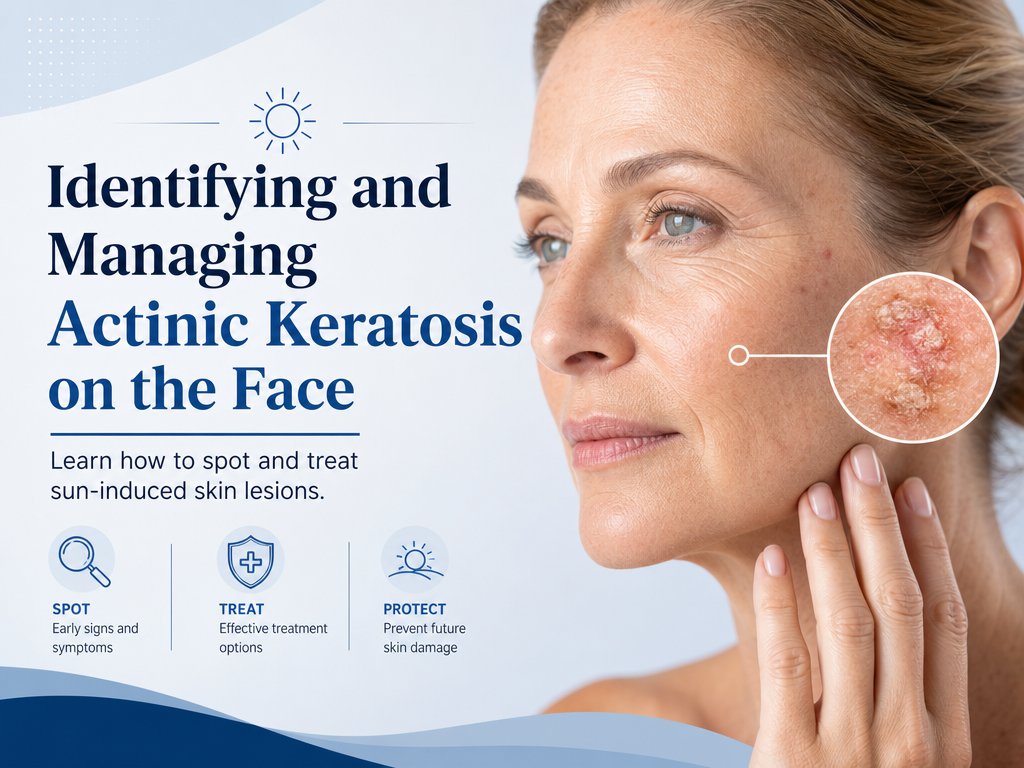
Actinic keratosis lesions are typically rough, scaly bumps that can vary in color, such as red, pink, or gray. Although individuals with lighter skin tones are more often affected, these lesions can occur in any skin color. In darker skin, they may closely resemble age spots but differ in texture, often feeling rough or gritty to the touch.
Actinic keratoses near the lips can look like persistent chapped lips, with color loss at the edges. These kinds of lesions are often painless, but their rough surface can snag on clothing, potentially causing bleeding. It’s important to monitor any skin changes and consult a dermatologist if you notice any new or evolving spots. Early detection is key to preventing complications.
Causes and Risk Factors
The sun’s harmful ultraviolet rays are a primary cause of actinic keratosis. Those living in sunny regions, working outdoors without sun protection, or using tanning beds are at higher risk. This risk increases with age and cumulative sun exposure. Furthermore, individuals with fair skin, light-colored eyes, or red or blond hair are more susceptible.
Skin tone, genetic factors, and immune deficiencies also contribute. People with weakened immune systems, such as organ transplant recipients, may experience more severe cases. Genetic disorders, like xeroderma pigmentosum, can also heighten vulnerability to sun damage. Regular skin assessments can help manage these increased risks.
Cancer Risk and Symptoms
While many actinic keratoses are benign, they can occasionally become cancerous, developing into squamous cell carcinoma if not treated promptly. Uncommon variants like cutaneous horns are more likely to require urgent medical evaluation due to their potential for malignant transformation. Regular skin checks by a professional can help catch malignant transformation early, improving treatment success.
Symptoms to watch out for include lesions that become painful, larger, or start bleeding. Any noticeable change in color, size, or texture warrants professional evaluation. Detecting shifts early is key to preventing progression to skin cancer. Patient awareness and education about warning signs enhance preventive efforts.
Prevention and Treatment
Preventive measures include regular use of broad-spectrum sunscreen with an SPF of at least 30, wearing protective clothing such as wide-brimmed hats and long sleeves, and avoiding peak sun exposure times, usually between 10 a.m. and 4 p.m. Seeking shade and utilizing UV-blocking eyewear also provide additional layers of protection. Incorporating these practices into daily activities helps significantly reduce exposure risks.
Treatment options range from topical medications approved by the FDA, such as 5-fluorouracil cream, which targets abnormal cells, to surgical removal for isolated lesions. For broader areas affected by multiple lesions, dermatologists might suggest photodynamic therapy or chemical peels to neutralize them effectively. Advanced laser treatments are another option, offering precision in removing the damaged cells while sparing healthy surrounding tissue.
New topical treatments are regularly being developed, promising more convenience and effectiveness. Consultation with dermatologists ensures access to the most current and suitable options tailored to individual needs. Patients are encouraged to stay informed about various treatment modalities to select the most appropriate care plan.
Additionally, regular follow-ups are vital to ensuring that treatments are successful and to monitor for any recurrence. Staying informed about new developments and maintaining a proactive approach to skin health can significantly reduce the risk of progression to more serious conditions. Emphasizing the importance of skin self-examinations complements medical follow-up in safeguarding skin health.
Conclusion
Regular dermatological assessments can assist in diagnosing and managing actinic keratosis. Swift treatment can prevent potential cancer development, ensuring skin health. By staying vigilant and taking preventive measures, individuals can protect their skin from further damage and maintain overall dermatological health.
Incorporating sun safety habits into daily routines and prioritizing expert consultations when needed can make a significant difference. Awareness and active management are key to living with or preventing the impacts of actinic keratosis. Educating oneself on these practices plays a crucial role in effective personal health management.
About the Author
Emily Swaim, a health writer, specializes in psychological and skin health topics. Her work appears on various notable platforms, including journals and online publications. With deep insights into dermatological issues, she endeavors to make complex medical information accessible and understandable for her readers. Her academic credentials include a BA in English and an MFA in writing, enriching her ability to address health-related issues with clarity and precision.
Emily combines her writing skills with thorough research, providing comprehensive insights to empower readers to make informed health decisions. Beyond raising awareness about skin health, she is dedicated to promoting preventive care, equipping individuals with the knowledge they need to make the best choices for their skin and well-being. Furthermore, she continues to inspire informed conversations about personal well-being through her articles, aiming to foster a community of readers who are increasingly aware and proactive concerning their health. Through her ongoing work, she hopes to demystify dermatological concerns and enhance public understanding of skin care’s importance. Her commitment to sharing knowledge encourages a proactive approach to managing and understanding various health conditions effectively.