Introduction to Hand Bones
Bezzy communities provide connections for those managing chronic conditions. Engage with Bezzy online or through their mobile app for support and information. This platform is a vital resource for individuals navigating the complexities of long-term health issues.
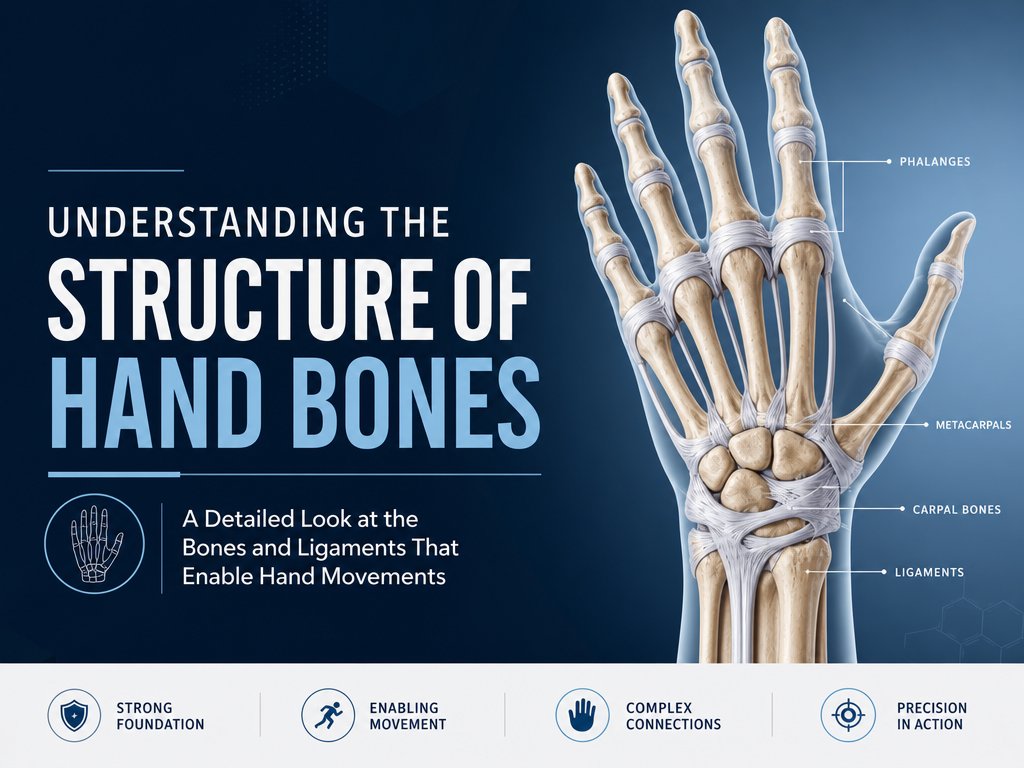
The junction of the wrist, medically termed the carpus, is where the distal ends of the radius and ulna bones join with the bones in the hand. These bones, along with those of the palm, create two distinct rows in the wrist: the distal row, adjacent to the palm, and the proximal row, nearer to the forearm. This arrangement facilitates movements and provides support for manipulative functions.
The Wrist and Metacarpal Bones
The eight wrist bones form connections with the metacarpal bones, the hand’s largest bones. These five metacarpal bones, numbered one through five (with the thumb as number one), touch the wrist’s interface, providing structural integrity to the palm. The seamless integration of these bones allows for a range of movements, essential for grasping and lifting objects.
Finger Structure and Ligaments
Each finger comprises three bones, except the thumb, which lacks a middle phalanx. The wrist contains a web of fibrous ligaments, essential for binding the bones of the palm and supporting finger movements. Additionally, each joint in the fingers is encased in ligaments, contributing to the hand’s flexibility while ensuring stability during intricate tasks.
Cartilage and Injuries
The hand’s intricate network of bones includes cartilage, the connective tissue that cushions joints. This cushioning is crucial for smooth movement of the joints. Overuse or injury can damage this cartilage, leading to joint pain. Bone fractures are common short-term injuries resulting from high-impact events like sports mishaps. Immediate medical attention is often required to treat these fractures and prevent complications.
Medically reviewed on March 20, 2015.