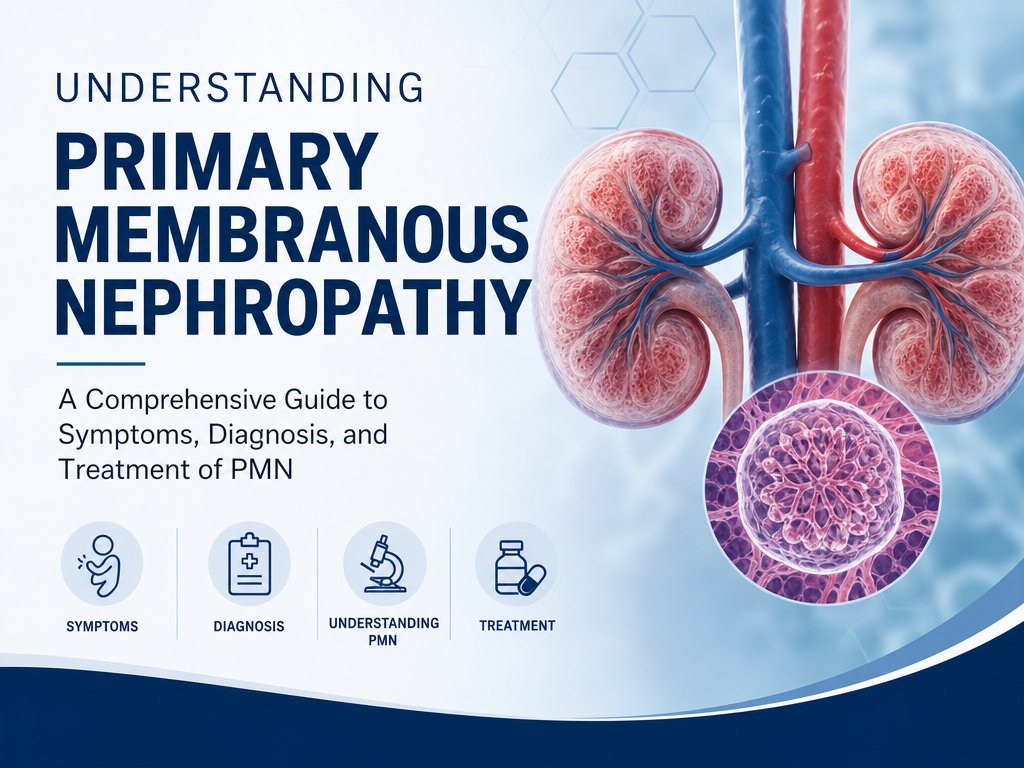
Introduction to Primary Membranous Nephropathy
Primary membranous nephropathy (PMN) is a rare yet significant kidney disorder wherein the immune system mistakenly targets and attacks the kidney’s own tissues. This autoimmune condition results in a considerable rise in protein levels in the urine, known as proteinuria. Without proper treatment, PMN often progresses to kidney failure, underscoring the need for vigilant and careful medical management to prevent adverse outcomes and ensure effective therapeutic interventions.
Understanding the Disease
PMN belongs to a category of kidney diseases affecting the glomeruli, key structures responsible for filtration within the kidneys. In the context of PMN, inflammation arises in the glomerular basement membranes, thereby impairing their capacity to filter proteins effectively. As a result, this impairment often leads to nephrotic syndrome, which is marked by substantial protein leakage into the urine, necessitating prompt diagnosis and management.
Causes and Risk Factors
The precise cause of PMN is enigmatic and remains idiopathic, meaning it has no readily identifiable cause. However, as with other autoimmune diseases, PMN entails an erroneous immune attack on healthy cells. Factors such as genetic predispositions, alongside environmental influences, may play contributing roles. PMN predominantly affects adults, with a higher prevalence noted among white males between the ages of 50 and 60. Understanding these risk factors is crucial for timely intervention and proper management of the disorder.
Symptoms and Diagnosis
Symptoms associated with PMN evolve gradually, often bringing underlying kidney problems to light. Common indicators include noticeable swelling, known as edema, alongside frothy or foamy urine. Diagnostic strategies for PMN necessitate ruling out secondary causes, which involves thorough medical evaluations including kidney biopsies and serological tests to establish a definitive diagnosis. Early detection through these comprehensive assessments is key to improving prognosis.
Treatment and Management
The therapeutic approach for PMN is focused on minimizing immune system assaults on kidney tissues while managing the associated symptoms effectively. Active phases of the disease are typically managed with immunosuppressant drugs, despite the necessity of monitoring due to potential side effects associated with prolonged use. Supportive care encompasses meticulous observation of kidney function and the management of complications such as high blood pressure and elevated cholesterol levels, which are often concurrent with the condition, ensuring a well-rounded approach to treatment.
Long-term Outlook
While PMN presents as a serious disorder, available treatment options can significantly decelerate its progression. Though an absolute cure remains elusive, a variety of treatments are instrumental in preserving kidney health and enhancing quality of life. In some instances, spontaneous remission may occur, emphasizing the importance of tailored patient care plans to address individual needs. These personalized plans can aid in managing symptoms effectively and promoting better patient outcomes.
Conclusion
Continuous and detailed medical attention is paramount for those diagnosed with PMN. Through steadfast monitoring and timely adjustments in treatment regimens, severe complications associated with the condition can be averted. Consequently, patients are better positioned to experience a significantly improved quality of life. Regular medical check-ups and adherence to prescribed therapeutic protocols are critical components of optimal disease management and enhance overall patient outcomes. It is essential that individuals diagnosed with PMN continuously consult with healthcare professionals to adapt their treatment strategies as needed.