The Importance of Baby Massages
Baby massages offer soothing benefits not only for infants but also for parents, fostering emotional bonding through physical touch. This tender practice greatly assists in alleviating stress and tension, aiding restful sleep, and improving colic symptoms when necessary. The right oils can provide necessary skin protection and hydration, enhancing the massage benefits and contributing to the infant’s sense of well-being. Additionally, establishing a regular massage routine can serve as a calming ritual, comforting babies who might feel unsettled or anxious due to overstimulation or new experiences.
Guidelines for Using Massage Oils
Understanding Oil Types
While many oils claim natural origins, not all are suitable for infant skin. Choosing the right oil is crucial to prevent skin irritation or allergies. A thorough research and understanding of each ingredient’s origin and properties can guide better choices in baby skincare, avoiding common pitfalls that may compromise the baby’s delicate skin. Furthermore, consult reliable sources like pediatric dermatologists or trusted parenting websites to stay updated on the best practices and latest recommendations for infant skincare. Parents should prioritize oils that are specifically tested and recommended for use on infants. Identifying oils with limited or no added fragrances further reduces the risk of skin sensitivity or adverse reactions.
Best Oils for Baby Massages
Virgin coconut oil and almond oil have emerged as preferred choices in the baby skincare routine due to their nourishing properties. Studies have shown their effectiveness in improving skin health, especially in premature infants, offering antimicrobial benefits while maintaining skin moisture. Furthermore, these oils are rich in vitamins and fatty acids, which contribute to the development of a healthy skin barrier, essential for the protection against environmental factors.
Other safe oils include shea butter, safflower oil, and grapeseed oil. Chamomile lotion and jojoba oil are particularly noted for alleviating eczema symptoms in babies, providing a soothing effect that can help manage inflamed or dry skin areas effectively and compassionately. These oils not only hydrate but also promote a sense of calm and relaxation, enhancing the overall experience of a massage. Avocado and olive oils may also be considered but should be used with caution due to the potential for skin sensitivity issues.
Oils to Approach with Caution
Certain oils, despite their popularity, can cause adverse reactions. Olive and avocado oils contain oleic acid, which can be detrimental to sensitive baby skin. Similarly, peanut, soybean, and tea tree oils may also lead to irritation. Not only do some oils pose a risk of irritation, but they may also react with other skincare products, exacerbating negative effects. Moreover, these oils may alter the skin’s natural balance, potentially worsening existing conditions or introducing new ones. It’s essential for parents to monitor any skin changes if such oils are being used and consider alternatives if adverse reactions occur. Consulting with pediatricians for tailored recommendations is always advisable, ensuring that any intervention aligns with the baby’s specific dermatological needs.
Factors in Selecting the Right Oil
Safety and Suitability
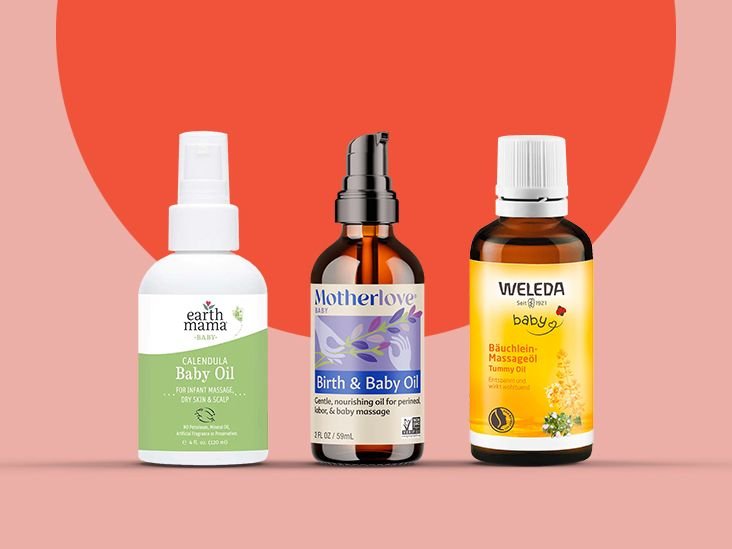
Safety is paramount when choosing oils for infants. Hypoallergenic options without synthetic fragrances, like those from Burt’s Bees and Pipette, ensure gentle care. These brands focus on producing high-quality products that adhere to strict safety standards, ensuring that children’s sensitive skin is exposed only to the purest and safest ingredients. By leveraging years of research and testing, these companies strive to develop formulations that support skin health while minimizing risk. Always check ingredient lists and product reviews to ensure the chosen oil meets your expectations regarding quality and safety.
Ethically Sourced Ingredients
Brands such as Weleda and Tubby Todd emphasize organic and ethical ingredients, offering high standards for baby products, often certified by safety organizations like EWG. Purchasing from these brands encourages a focus on sustainability and ethical practices in the wider consumer market. The commitment to using sustainably sourced ingredients promotes not only healthier skin outcomes for babies but also supports environmental conservation efforts. These practices encourage a holistic approach to skincare, acknowledging the interconnectedness of good health, sustainable agriculture, and responsible manufacturing processes.
Conclusion
Regular baby massages are a wonderful way to strengthen the parent-child connection while promoting relaxation and comfort for infants. Choosing the right massage oil enhances these benefits, ensuring skin stays healthy and hydrated. Always consult with a pediatrician when introducing new skincare routines, ensuring the chosen products harmonize with your child’s unique skin type. This careful approach helps in safeguarding against potential allergic reactions or irritations, making the experience enjoyable and soothing for both the baby and the parent. Moreover, incorporating these practices into daily life builds a foundation of trust and routine for the child, ultimately fostering a deeper emotional connection and a more enriched developmental environment. Beyond physical benefits, these practices have psychological rewards for both parents and children, nurturing confidence, and emotional health. Watching for cues and adjusting techniques based on the baby’s responses can improve massage outcomes significantly, ensuring a positive and rewarding experience each time.