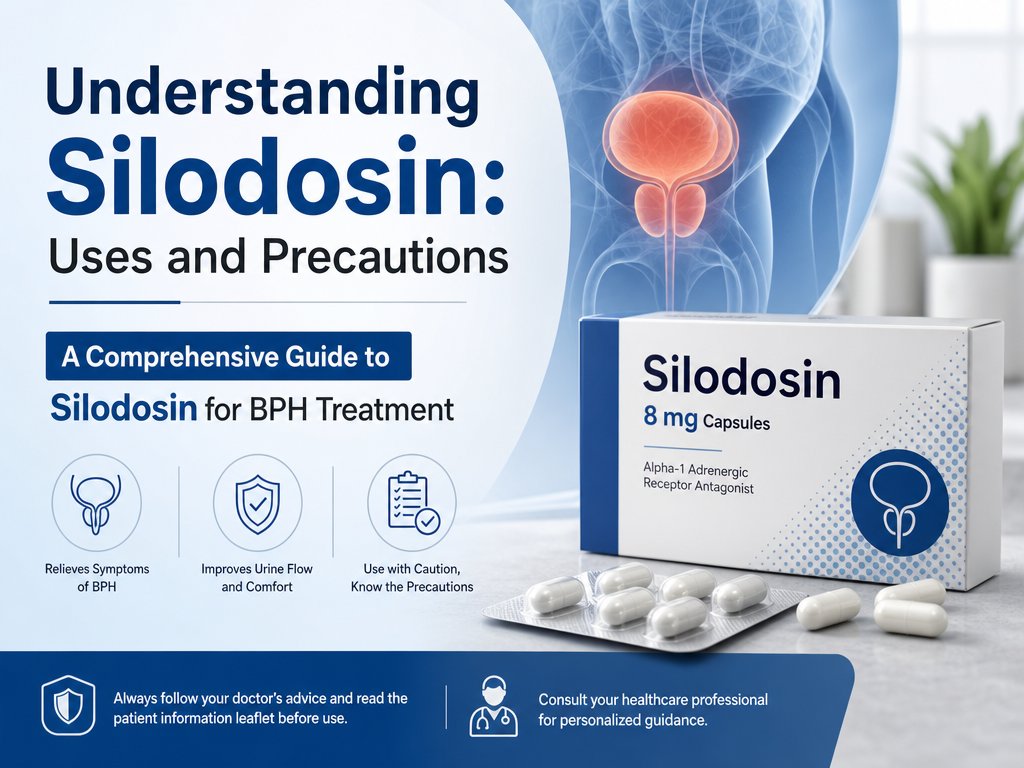
Introduction to Silodosin
Silodosin is a prescription medication available in oral capsule form, primarily used to treat benign prostatic hyperplasia (BPH), a condition more commonly referred to as an enlarged prostate, which affects men. This medication effectively alleviates the uncomfortable symptoms associated with BPH, thereby providing significant relief. It is esteemed for its targeted action in the prostate and bladder, offering a significant improvement in life quality for those suffering from this condition. Silodosin is particularly favored for its specific symptom-relief capabilities, focusing on easing urinary difficulties and enhancing the daily comfort of its users.
Mechanism of Action
Silodosin falls under the drug category known as alpha-1 blockers. It works by blocking alpha-1 receptors located in the prostate and bladder, which aids in relaxing the smooth muscle tissue of these organs. This relaxation helps to relieve the symptoms of BPH, facilitating improved urination and reducing the discomfort associated with this condition. The action of silodosin is predominantly selective, targeting the receptors directly involved with prostatic and bladder muscle contractions, thus ensuring that its effects are focused and minimal on other bodily systems.
Usage Guidelines
While taking silodosin, it may sometimes be necessary to be part of a combination therapy, meaning that it should be taken alongside other medications. Adherence to the prescribed dosage is crucial for obtaining the most effective treatment outcomes. Consistent follow-ups with a healthcare provider are recommended to manage the therapy effectively. Discussions regarding any ongoing treatments or medications must be maintained to prevent any unforeseen interactions. Furthermore, patients should be well-informed about the specific instructions relating to meal timings with doses to optimize drug absorption.
Potential Side Effects
Silodosin typically does not cause drowsiness; however, it may lead to other side effects. Commonly reported issues include dizziness and decreased blood pressure, particularly noticeable upon standing, which can lead to fainting in some cases. It is essential to get up slowly from sitting or lying positions to minimize these effects. If severe side effects occur, such as prolonged dizziness or fainting spells, seeking immediate medical attention is paramount. Moreover, some users may experience retrograde ejaculation, a condition where semen enters the bladder instead of exiting through the urethra during sexual climax, which, although generally harmless, can be troubling for some men.
Warnings and Precautions
Important precautions include avoiding certain medications that may interact with silodosin, as these interactions can potentially alter its effectiveness or increase side effects. Grapefruit products should be consumed cautiously since they may increase the drug levels in the body. Furthermore, patients should avoid engaging in activities that require full attention, such as driving or operating machinery, until they understand how silodosin affects them. Alcohol consumption can exacerbate potential side effects and should be moderated or avoided. Additionally, advising healthcare professionals of any history of allergic reactions or sensitivities is crucial to prevent adverse effects.
Considerations for Specific Populations
Individual considerations are necessary for those with kidney or liver problems, as dosage adjustments might be required due to changes in how the drug is metabolized. Silodosin is not suitable for women, particularly those who are pregnant or breastfeeding, and it is also not recommended for children. Men considering this treatment should discuss any existing health conditions with their healthcare provider to ensure appropriateness. Specific attention should be given to patients with a recent history of orthostatic hypotension or syncope, as the use of silodosin may predispose them to more frequent episodes.
Dosage Recommendations
The typical adult dose is 8 mg, taken once daily with a meal. For seniors or those with specific health challenges, tailoring the dose to match individual health conditions is advised to ensure both safety and effectiveness. Any changes in dosage should only be made under the guidance of a healthcare provider to prevent adverse effects or diminished effectiveness. It is vital to closely observe the effects following initial dosages to ascertain any necessary modifications in response to the body’s reaction to the medication.
Drug Interactions
Silodosin may interact with other medications, vitamins, or herbs, potentially causing excessive levels to accumulate in the body. Such interactions can lead to enhanced side effects or reduced efficacy of the treatment. It’s always crucial to discuss all substances being taken with a healthcare provider to identify possible interactions and adjust treatment as necessary. Medications such as other alpha-blockers, certain antibiotics, or antiviral drugs, and blood pressure medications require particular attention due to possible interaction risks that can either enhance or temper silodosin’s effectiveness.
Managing Missed Doses and Overdose
If a dose is missed, it should be taken as soon as it is remembered, except when it’s almost time for the next dose. It’s important not to double up to make up for a missed dose. In situations where an overdose is suspected, immediate medical consultation is required to ensure a prompt and appropriate response, particularly if symptoms of overdose such as severe dizziness or fainting occur. Familiarizing oneself with signs of overdose and maintaining contact with health services facilitates timely interventions and reduces potential complications.
Warnings on Severe Allergic Reactions
There is a risk of severe allergic reactions with the use of silodosin. Symptoms may include swelling of the face, lips, or tongue, difficulty breathing, or skin rashes. If any of these symptoms appear, accessing emergency medical assistance is vital to address potentially life-threatening reactions promptly. Informing oneself about prior medical allergies and ensuring healthcare providers are informed can help mitigate risks and ensure a quick response during emergencies.
Lifestyle and Diet Considerations
Limiting alcohol consumption and making necessary dietary modifications, such as reducing caffeine and high-fat food intake, can help alleviate symptoms and improve treatment effectiveness. Such changes complement the medication and assist in managing BPH symptoms effectively. Regular physical activity and a healthy diet can further support overall prostate health. Including ample hydration, while avoiding excessive fluid intake at night, can also be beneficial in minimizing nocturnal symptoms associated with BPH.
General Advice
Before beginning a course of silodosin, engaging in comprehensive discussions with a healthcare professional is essential to tailor treatment to the patient’s specific health needs. Continuous monitoring and periodic assessments are recommended to ensure both safety and effectiveness throughout the treatment period. Open communication concerning any side effects or concerns is important for optimal care. Understanding personal health backgrounds and remaining informed about ongoing developments related to BPH treatments foster a proactive approach to managing health effectively.
Conclusion
Silodosin provides effective relief for the symptoms associated with BPH, thereby improving the quality of life for many men. Nonetheless, managing the drug carefully, including understanding potential drug interactions and side effects, is imperative for safe usage. Always rely on professional medical advice for any concerns or questions regarding medication use. Educating oneself and maintaining regular consultations with healthcare experts are critical to achieving the best outcomes. Taking an active role in understanding one’s health and treatment options ensures the best possible management of BPH symptoms, further enhancing long-term health and well-being.