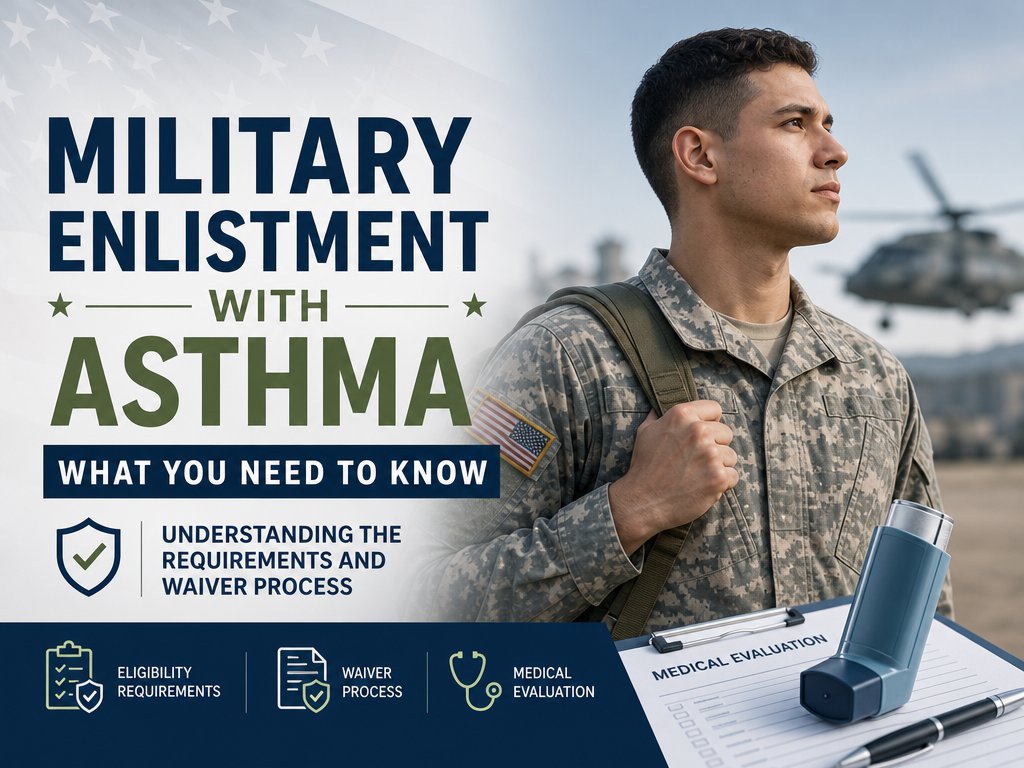
Introduction to Military Service with Asthma
Joining the military requires meeting high standards of physical fitness and medical health. Asthma, a condition that affects the airways and lungs, can sometimes be a disqualifying condition. However, depending on your asthma history and its severity, you may still be eligible for military service through a waiver process. This guide provides insights into how asthma affects military eligibility and the steps that can be taken to potentially secure a position despite having asthma. Understanding the regulations and the waiver process is crucial for individuals with this condition who aspire to serve in the military.
General Guidelines and Waiver Eligibility
According to the Department of Defense’s 2018 regulations, having a history of asthma after the age of 13 is generally disqualifying. This restriction exists because asthma can hinder an individual’s ability to perform physically demanding tasks, which are routine in military life. However, a waiver might be obtainable by reviewing your medical history thoroughly and conducting specialized tests such as pulmonary function assessments. These tests evaluate how well your lungs are functioning and can ultimately determine eligibility for a waiver early in the recruitment process. If your test results demonstrate that asthma is controlled and does not impair your physical abilities, the chances of obtaining a waiver increase significantly. It is essential to provide documentation from healthcare providers that attest to your ability to handle the physical demands of military service with your current medical condition being well-managed.
Historical Perspective on Asthma Waivers
Before 2004, any history of asthma was grounds for automatic disqualification from military service. Major changes in policy were influenced by numerous studies showing that mild asthma did not significantly affect military service outcomes. Recognizing the increasing prevalence of asthma among the general population, the military aims to retain potential recruits through waivers. The military acknowledges the potential value of individuals who may have mild but well-controlled asthma and seeks to update its policies to ensure a more inclusive recruitment process. This shift reflects a broader understanding of asthma as a manageable condition and an acknowledgment of advancements in medical treatments that allow individuals with asthma to lead active and fulfilling lives, including military service.
Branch-Specific Asthma Policies
The Air Force
The Air Force has adapted its policies to accommodate recruits with asthma by utilizing the Methacholine Challenge Test. This test is designed to provoke asthma symptoms in a controlled environment, allowing medical personnel to assess the severity of the condition. A positive result on this test indicates the presence of asthma, but waivers can still be possible depending on individual circumstances and test specifics. The Air Force, like other branches, places a strong emphasis on ensuring that individuals can maintain respiratory health without compromising mission responsibilities. This approach is rooted in the understanding that while asthma may pose challenges, many individuals can maintain their health and performance levels through effective management strategies and compliance with medical advice.
The Army
As the largest branch of the U.S. military, the Army often offers more lenient waiver considerations compared to other branches for individuals with mild asthma symptoms noticed after age 13. They understand the variation in asthma severity and control from person to person, so each case is assessed individually. Waiver applications in the Army include a comprehensive review of medical history, current health status, and potential risks associated with asthma. The Army demands concrete evidence that an individual will not encounter limitations in performing their duties, even under extreme conditions or in environments where climate or stress may exacerbate asthma symptoms. Veterans, as well as new recruits, are expected to provide evidence of successful asthma management strategies, such as regular medication adherence or the ability to quickly respond to symptom flare-ups.
The Coast Guard and Navy
Both these branches require thorough reviews of your medical history, with waivers potentially offered if there are no prominent symptoms evident after the age of 13. The primary consideration for these sectors is that the health of individuals should not pose a risk to themselves or their units during active duty. Health assessments may include detailed evaluations by military physicians who specialize in respiratory health to determine the likelihood of asthma impacting operational responsibilities. The importance placed on safety and efficiency during maritime operations and naval exercises means that candidates must demonstrate a high degree of respiratory control and the capability to manage asthma triggers that can arise in these unique environments.
The Marines
Being the smallest branch, the Marine Corps has stringent guidelines for asthma waivers, demanding clear and precise medical evidence and no symptoms occurring after age 13. This high standard reflects the demanding nature of Marine Corps duties, where physical endurance and peak health are critical priorities. The Marines maintain rigorous health requirements to ensure that all personnel can meet the physical challenges presented by first-response combat scenarios. Asthma waivers in the Marine Corps require extensive documentation that evidences the applicant’s capacity to complete intense training and operations without asthma-related impediments. The Corps looks for outstanding self-management skills in individuals applying for a waiver, along with a proven track record of successfully coping with environments where intense physical exertion is frequently required, often under high-stress conditions.
Managing Asthma in Service
Serving individuals with asthma must monitor their respiratory health closely and seek regular treatment as necessary, ensuring they meet the demanding requirements of military duties without compromising their safety or effectiveness. In high-stress or physically demanding situations common in military life, the ability to effectively manage asthma symptoms is absolutely crucial. With appropriate health management strategies and medical guidance, recruits can better maintain their health and operability while on duty. Utilizing prescribed medications such as inhalers, engaging in preventive care, and adhering to a healthy lifestyle conducive to reducing asthma triggers are all integral parts of successfully managing asthma while serving in the military. Regular communication with healthcare providers is key, as is staying informed about the latest treatments that can aid in maintaining respiratory health and performance.
Civilian Alternatives
If military service is ultimately not an option due to asthma or other health concerns, working in civilian roles within the Department of Defense can offer a fulfilling career path that does not require the same strict health evaluations as full military service. Options include administrative roles, specialized technical positions, or roles in logistics and support, which support the military mission while operating from a robust civilian framework. Such roles allow individuals to contribute significantly to national defense efforts and enjoy the security and benefits associated with working for the federal government. Moreover, these positions often provide opportunities for career advancement, professional development, and the chance to work closely with military personnel and operations without the need to fulfill the combat requirements and physical demands that a military career imposes.
Conclusion
If you have mild asthma, seeking a waiver might allow you to pursue a career in military service. However, roles in aviation, such as pilot training, may prove to be more competitive regarding obtaining waivers due to the specific physical requirements of flying duties and the need for consistent respiratory health under fluctuating atmospheric conditions. Consistent management of asthma symptoms is vital throughout both recruitment and service. Working with a recruiter can provide more personalized insights and guidance on the possibility of securing a waiver and navigating the recruitment process successfully. Pursuing all available resources and staying informed about personal health and military requirements can increase the likelihood of achieving your ambition to serve. Engaging with veterans organizations and support networks can also offer valuable advice and encouragement, helping individuals with asthma successfully integrate and thrive within the military community or its broader network of civilian support roles.