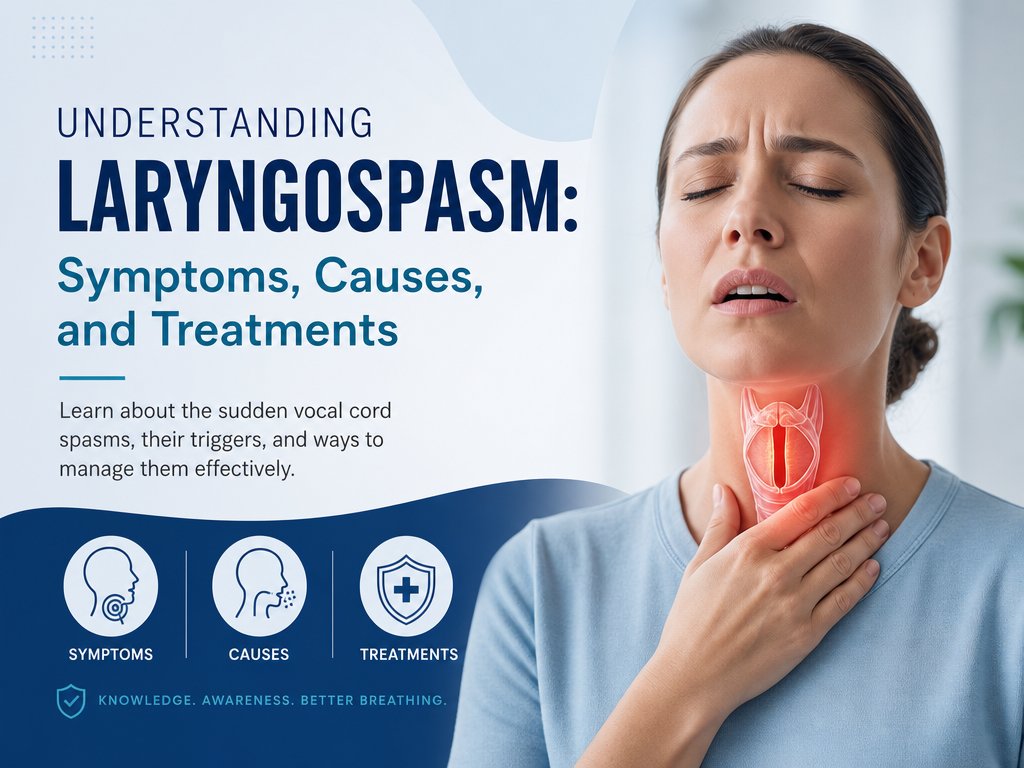
Introduction to Laryngospasm
Laryngospasm is an unexpected and involuntary spasm of the vocal cords, often indicative of an underlying health condition. Although generally not life-threatening, it can cause temporary difficulty in breathing or speaking, and the abruptness of these episodes can be unsettling and distressing for the affected individual. Understanding the nature of these episodes and their possible causes is vital in effectively managing and mitigating their impact on daily life.
Causes of Laryngospasm
Laryngospasms can be triggered by various factors. Stress and anxiety are common causes, as the body may express intense emotions through physical reactions, such as vocal cord spasms. This psychological link can often exacerbate the physical symptoms, making stress management techniques an important preventative measure. Additionally, conditions like asthma, vocal cord dysfunction, or gastroesophageal reflux disease (GERD) may lead to laryngospasms. GERD occurs when stomach acid or undigested food irritates the esophagus and larynx, potentially causing the vocal cords to spasm.
Other Potential Triggers
Anesthesia-related laryngospasms may occur during or after surgical procedures. Children and individuals with chronic obstructive pulmonary disease (COPD) are particularly at risk when undergoing surgeries involving the larynx or pharynx. In rare instances, certain medications or allergic reactions can also serve as catalysts for these spasms. Inhalation of irritants like smoke or strong chemicals might also provoke laryngospasms in susceptible individuals. Recognizing these triggers is essential to avoid situations that might lead to an episode and to develop a comprehensive management plan with healthcare providers.
Symptoms and Impact
Typically lasting less than a minute, a laryngospasm may recur, hinting at a broader medical issue. During such episodes, a person might hear a whistling sound, called stridor, as air passes through narrowed vocal cords, and the audible sign can often be detected by those nearby. The interruption of normal breathing patterns can induce a sense of panic, exacerbating the experience. Panic can further worsen symptoms, creating a cycle that is challenging to break without conscious effort to remain calm.
Laryngospasms may also occur during sleep, disrupting restful transitions between sleep phases and causing sudden awakenings. This can lead to a poor sleep cycle, which may contribute to increased fatigue and stress throughout the day, making the individual more susceptible to additional episodes and potentially impacting overall quality of life. For individuals experiencing nocturnal laryngospasms, establishing a relaxing bedtime routine and ensuring proper sleep hygiene could be beneficial in reducing occurrences.
Managing Laryngospasms
During a spasm, it is crucial not to panic. Remaining calm, practicing controlled breathing techniques, and sipping water may alleviate the spasm. If GERD is the identified cause, lifestyle modifications, medication, or even surgical options may prevent recurrence. Avoiding late-night meals, elevating the head during sleep, and reducing acidic foods can help manage GERD-related symptoms. Adopting these lifestyle changes not only aids in reducing laryngospasm incidents but also promotes better digestive health and overall wellness.
In-Case Emergency Procedures
Witnessing a laryngospasm can be alarming, but it’s essential to confirm there’s no choking or asthma attack occurring. If the person remains distressed and unresponsive after 60 seconds, emergency services should be contacted immediately. While awaiting professional assistance, observe the person’s breathing and try to keep them calm and in an upright position if possible, as this can sometimes aid in passing the spasm more quickly.
Conclusion
Despite the discomfort laryngospasms may cause, understanding their triggers and seeking appropriate treatments can manage the condition effectively. The outlook for individuals experiencing laryngospasm is positive, as it generally doesn’t indicate a severe health threat. However, ongoing dialogue with healthcare providers is essential to ensure that associated conditions are appropriately addressed and managed, further reducing the likelihood of future occurrences. Proactively managing the triggers and understanding the condition more thoroughly can greatly enhance the quality of life for those who experience these challenging episodes. This proactive approach also encourages patients to be more vigilant about their overall respiratory health, leading to better outcomes and potentially fewer disruptions caused by recurrent episodes of laryngospasm. Furthermore, raising awareness about laryngospasm among the general public may lead to increased support for those affected, contributing to a more comprehensive approach in managing and understanding the condition within the community.